Blog

  • Digital Marketing Agency: What It Is and Do You Really Need One in 2026?

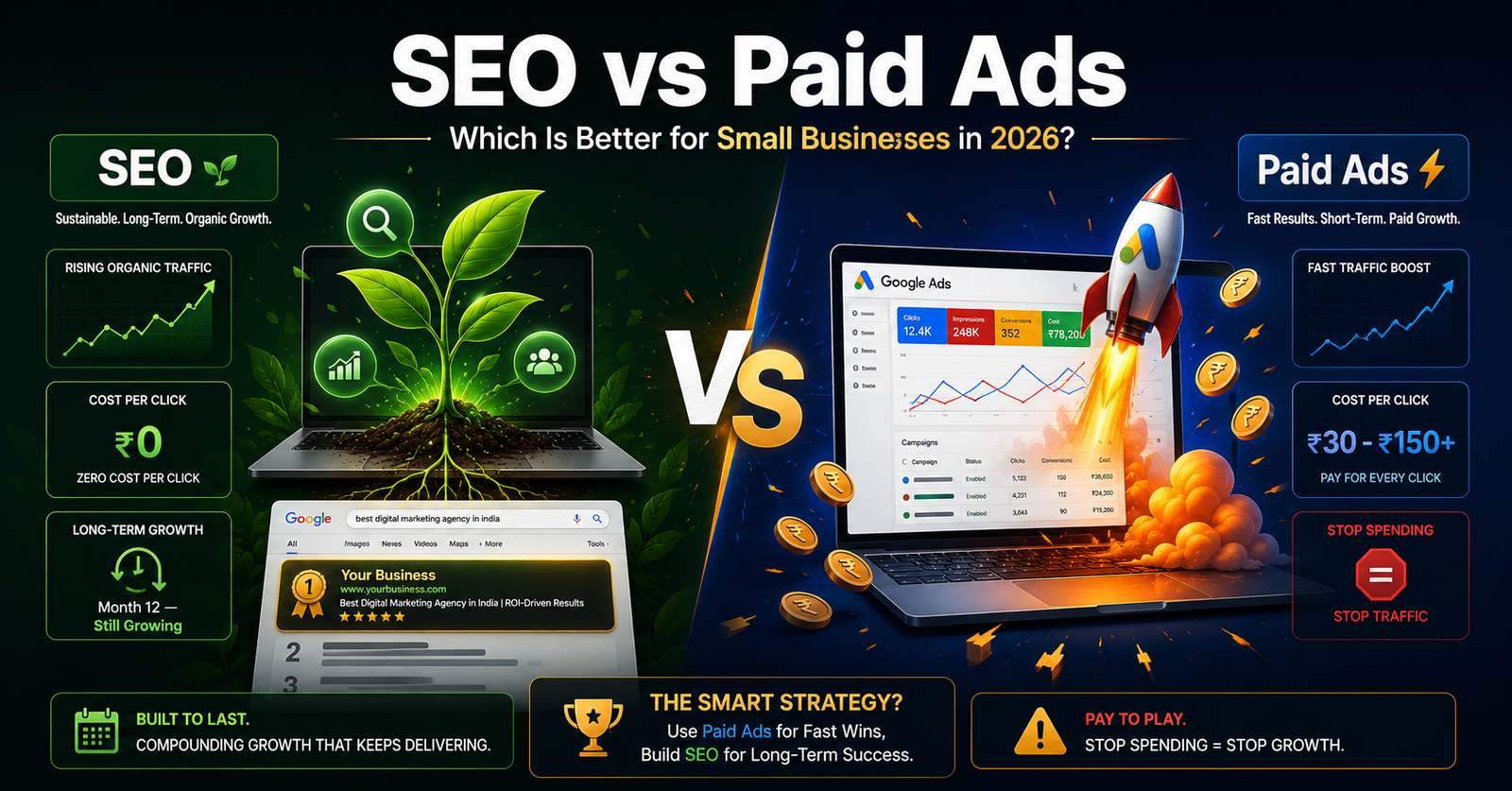
    Your competitor launched their website two years after you did. They have fewer products. A smaller team. And somehow, they are showing up on Google’s first page, running ads that follow potential customers everywhere, and getting 10x more enquiries than you.

    Meanwhile, your business is relying on word of mouth, an outdated website, and the occasional WhatsApp forward.

    This gap has a name. It is called digital marketing execution.

    A digital marketing agency is one of the fastest ways to close that gap, but only if you understand what it actually does, what it costs, and whether it is the right move for your specific business right now.

    By the end of this article, you will know exactly what a digital marketing agency is, what services you should expect, how to spot a genuine agency versus a money-wasting one, and the honest answer to whether you need one in 2026.

    No generic advice. No vague tips. Just the complete picture so you can decide with confidence.

    Table of Contents

    What Is a Digital Marketing Agency? (The Clear Answer)

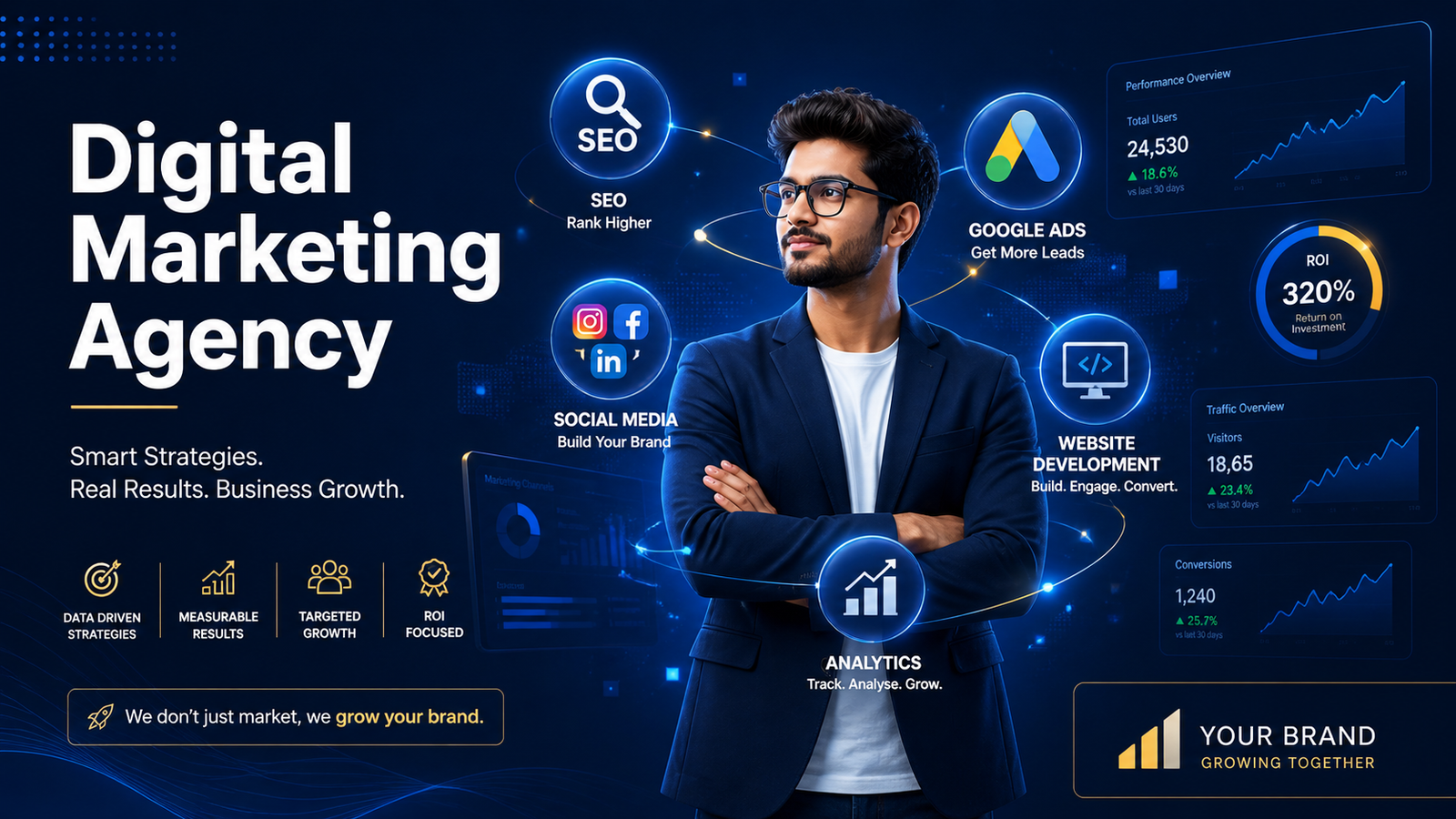
    A digital marketing agency is: A company that helps businesses attract customers and grow revenue through online channels including SEO, paid advertising, social media, content marketing, email campaigns, and website development, using data-driven strategies with measurable, trackable results.

    The core difference between a digital marketing agency and a traditional advertising firm is accountability. Traditional advertising in newspapers, hoardings, and TV spots is nearly impossible to measure accurately. Digital marketing tells you exactly how many people saw your ad, clicked it, visited your website, and took action. That measurability is what makes digital agencies genuinely valuable and what makes a bad agency easy to expose.

    What a Digital Marketing Agency Is NOT

    Before we go further, three common misconceptions worth clearing up:

    • It is not an overnight fix. SEO results take 3–6 months. Brand building takes longer. Any agency promising Page 1 rankings in two weeks is lying to you.
    • It is not just posting on social media. Social media management is one small component of what a full-service agency handles.
    • It is not a one-size-fits-all service. A credible agency builds a strategy around your business, your audience, and your goals, not a template they copy-paste across all fifty of their clients.

    What Does a Digital Marketing Agency Actually Do?

    Most articles stay vague here. Let us be specific.

    1. Search Engine Optimisation (SEO)

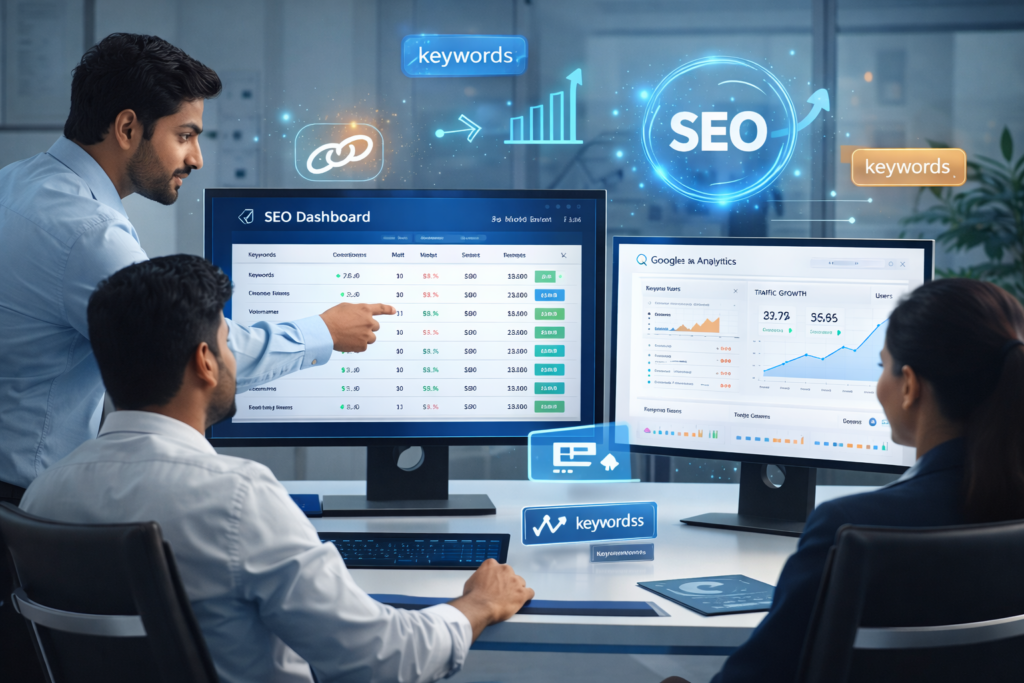
    Getting your website to appear on Google’s first page for the exact search terms your potential customers are typing. This includes keyword research, on-page optimisation, technical fixes like Core Web Vitals and page speed improvements, and building quality backlinks from relevant websites. SEO is the highest long-term ROI digital marketing channel for most Indian businesses because traffic that ranks organically has no ongoing cost per click.

    2. Pay-Per-Click Advertising (Google Ads & Meta Ads)

    Running paid ads on Google, Facebook, Instagram, and YouTube. You pay only when someone clicks. A skilled agency ensures your ad spend converts into leads not just vanity metrics like impressions and reach.

    3. Social Media Marketing (SMM & SMO)

    Creating and managing your brand presence on Instagram, Facebook, LinkedIn, YouTube, and other platforms relevant to your audience. This covers content creation, scheduling, community management, and paid social campaigns.

    4. Content Marketing and Blogging

    Writing articles, guides, and blog posts that attract your target audience through search engines. In 2026, AI tools like ChatGPT, Gemini, and Perplexity actively cite well-written articles in their answers giving your business visibility beyond traditional Google search results. Content marketing is how you build authority that compounds over time.

    5. Website Development and Optimisation

    Building or improving your website so it loads fast, looks professional across all devices, converts visitors into enquiries, and ranks well technically. A slow or confusing website cancels out everything else you do in digital marketing. There is no point driving traffic to a website that drives people away.

    6. Email Marketing

    Building a list of interested prospects and customers, then sending targeted campaigns that bring them back to purchase or enquire. Email consistently delivers one of the highest ROIs of any digital channel, ₹36 return for every ₹1 spent, according to Litmus research.

    7. Online Reputation Management (ORM)

    Managing what people find when they search for your business Google reviews, news mentions, third-party listings, and social proof. In 2026, your online reputation is your first impression for the majority of potential customers.

    8. Branding and Design

    Creating your visual identity logos, marketing creatives, and brand guidelines so your business looks trustworthy and professional at every touchpoint. A poorly designed brand undermines even the best digital marketing strategy.

    9. Video Marketing and Production

    Producing video content for YouTube, Instagram Reels, and paid video campaigns. Video is the highest-engagement content format across every platform right now and businesses without a video presence are increasingly invisible to younger audiences.
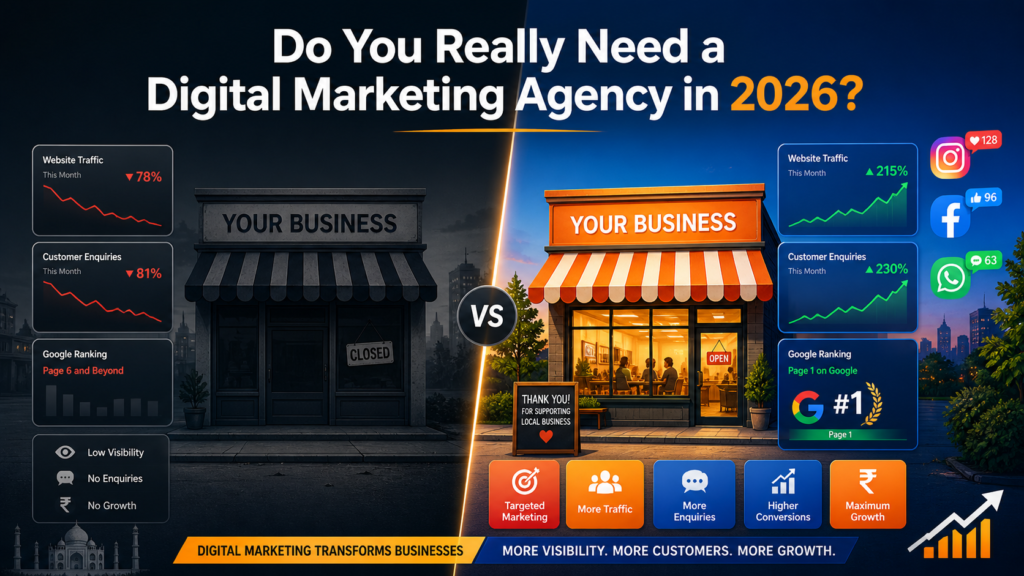
    digital marketing agency

    Do You Really Need a Digital Marketing Agency in 2026?

    Here is the honest answer most agencies will not give you: it depends entirely on where your business is right now.

    5 Clear Signs You Need a Digital Marketing Agency

    1. Your competitors are outranking you on Google and it is costing you business. If customers in your city are searching for your service and finding your competition first, you are losing revenue every single day. SEO is technical, ongoing, and time-sensitive. Without dedicated expertise, closing that gap independently takes years.

    2. You have tried DIY digital marketing and it is not converting. You have posted on Instagram. You have run a Google Ad. You have written a few blog posts. But nothing is turning into actual enquiries. This is almost always a strategy problem, not an effort problem and an experienced agency can diagnose the breakdown in hours.

    3. You do not have time to learn and execute consistently. Digital marketing requires daily attention: algorithm changes, ad optimisation, content calendars, keyword tracking, and analytics review. Each of these is effectively a part-time job. If you are running a business, you cannot do all of this properly without sacrificing something critical.

    4. You need results faster than learning allows. Building reliable in-house skills takes 12–18 months minimum. The right agency combination of paid and organic strategy can start generating qualified leads within 60–90 days.

    5. Your business is at a growth stage where marketing ROI matters. Once you are past the survival stage and looking to scale, professional marketing stops being an expense and becomes an investment. The right agency pays for itself.

    When You Might NOT Need an Agency Yet

    This is where most agencies go quiet. We will not.

    • If you are pre-revenue or in early product validation: Use the budget to refine your product or service first. Marketing a weak offering just gets you bad reviews faster.
    • If your total marketing budget is under ₹8,000–10,000 per month: A serious agency cannot deliver meaningful, measurable results at this level. Invest in learning the basics yourself first, then scale with professionals when the budget allows.
    • If you have a capable in-house person: A dedicated internal marketer with proper tools and a clear brief can outperform an outsourced agency that splits attention across thirty clients simultaneously.

    The honest rule: If digital marketing is the clear bottleneck between where your business is and where it needs to be, and you have the budget to invest properly a good agency is the faster, smarter path forward.

    What Does a Digital Marketing Agency Cost in India in 2026?

    Pricing varies significantly by service scope, agency quality, and industry competitiveness. Here is a realistic breakdown for the Indian market:

    Service Typical Monthly Cost (India)
    SEO — Basic ₹8,000 – ₹20,000
    SEO — Comprehensive ₹20,000 – ₹60,000
    Google Ads Management ₹8,000 – ₹25,000 + ad spend
    Social Media Management ₹6,000 – ₹20,000
    Content Writing (blog/web) ₹3,000 – ₹15,000 per piece
    Full-Service Digital Marketing ₹25,000 – ₹1,00,000+
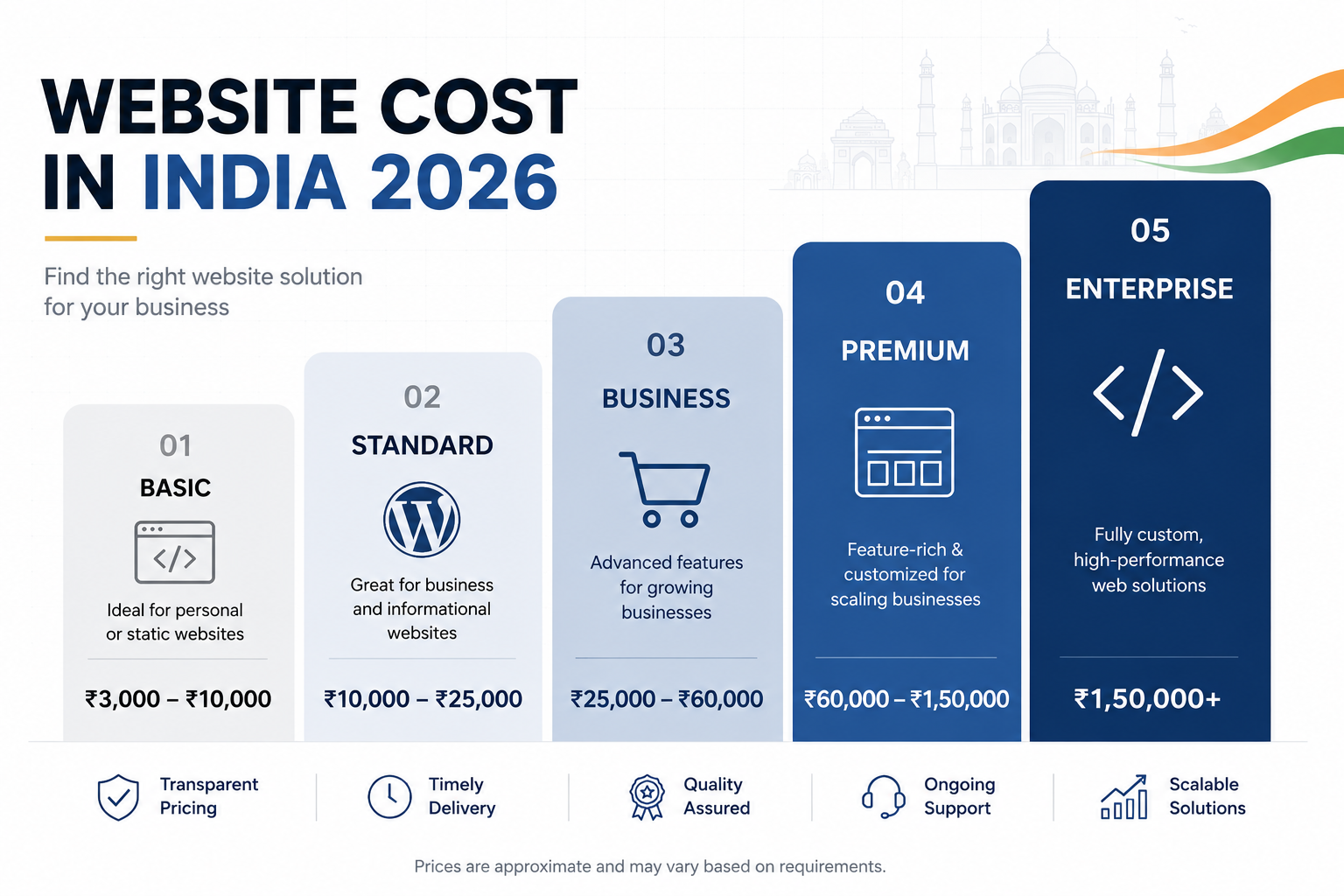
    Website Development ₹15,000 – ₹2,00,000 (one-time project)

    One important clarification: These figures are agency fees separate from your actual ad spend. Google Ads and Meta Ads require an additional monthly budget for the ads themselves. The agency fee covers strategy, setup, campaign management, and reporting.

    Agencies charging ₹3,000–₹5,000 for “complete digital marketing” are providing templated, copy-paste work with no real strategy behind it. In this industry, the correlation between price and quality is strong. You genuinely get what you pay for.

    How to Choose a Digital Marketing Agency in India (Without Getting Burned)

    From working with businesses across multiple sectors, the biggest mistake I consistently see is choosing an agency based on a low quote and a long list of promises rather than evidence of actual results.

    Here is how to choose correctly:

    Step 1: Google Them First

    A digital marketing agency that cannot rank its own website on the first page for relevant terms is not going to rank yours. Search “digital marketing agency + [your city]” and check where they actually appear.

    Step 2: Ask for Specific, Verifiable Case Studies

    Request real examples not client logos, not vague testimonials. Ask directly: “Can you show me a website you ranked from Page 3 to Page 1? What keyword? How long did it take? What was the client’s industry?” A credible agency answers this without hesitation.

    Step 3: Reject Guaranteed Rankings Promises Immediately

    No legitimate agency can guarantee specific Google rankings because Google controls the algorithm, not the agency. “Guaranteed Page 1 in 30 days” is a red flag that ends the conversation.

    Step 4: Demand Transparent Monthly Reporting

    You should receive clear, monthly reports showing: organic traffic growth, keyword position changes, ad performance data, lead count, and cost per lead. If an agency cannot tell you with precision what your money achieved last month, they are hiding underperformance.

    Step 5: Prioritise Industry Relevance

    An agency with documented experience in your specific sector, healthcare, e-commerce, education, restaurants, and legal services, will outperform a generalist agency in almost every case, even if they charge more.

    People Also Ask: Digital Marketing Agency Answers

    What is the difference between a digital marketing agency and a freelancer?

    A digital marketing agency offers a coordinated team of specialists, SEO experts, designers, ad managers, content writers, and developers working under one unified strategy. A freelancer typically covers one or two skills. For campaigns requiring multiple capabilities simultaneously, an agency delivers far more consistency and output capacity than a single freelancer.

    How long does it take to see results from a digital marketing agency?

    For SEO and organic content: visible improvement in 3–6 months, significant traffic growth in 6–12 months. For paid advertising, results typically begin within 2–4 weeks of a properly structured campaign. Social media engagement shows measurable growth within 60–90 days of strategy-led, consistent posting.

    What should I ask a digital marketing agency before hiring them?

    Ask three specific questions: (1) Show me a client result from an industry similar to mine. (2) What exactly will my monthly report include, and how do we track ROI? (3) What does the first 90 days of working together look like, step by step? Any agency unable to answer these clearly is not ready to be accountable for your investment.

    How MaaJanki Web Tech Helps Indian Businesses Grow Online

    MaaJanki Web Tech is a full-service digital marketing and website development agency serving small businesses, startups, schools, hospitals, restaurants, e-commerce brands, and agencies across India and globally.

    Our core services cover everything a growing Indian business needs under one roof:

    • SEO — ranking your website for the keywords your customers are actively searching
    • Website Development — WordPress, WooCommerce, and custom websites built to convert, not just look good
    • Google Ads & Meta Ads — paid campaigns structured to generate qualified leads, not just impressions
    • Social Media Marketing — building and managing your brand presence where your audience spends time
    • Content Writing — articles, blogs, and website copy that both rank and convert
    • Branding & Graphic Design — visual identity that builds immediate trust
    • Video Production — content for YouTube, Instagram Reels, and paid video campaigns

    What separates us from template agencies: We do not sell packages off a price list. We build strategies around your specific business, your audience, your competitive landscape, and your budget. The goal is always measurable results, not activity reports that look busy but deliver nothing.

    If you want an honest audit of your current digital presence, no sales pressure, just a clear picture of where you stand and what needs to change, reach out directly.

    📱 WhatsApp Channel: Maajanki Web Tech

    📧 Email: info@blog-maajankiwebtech.com

    🌐 Website: maajankiwebtech.com
    digital marketing agency

    Conclusion

    A digital marketing agency is not a luxury reserved for large corporations with big budgets. In 2026, it is a practical growth tool for any business that has an online audience to reach and a product or service worth promoting.

    The real question is not “should I use an agency?” The right question is: “Is my business at a stage where professional digital marketing will generate a measurable return?”

    If your competitors are outranking you, your DIY efforts are not converting, and you need consistent, scalable growth the answer is yes. The gap between you and your competition is rarely about product quality or talent. It is almost always about execution.

    The right digital marketing agency closes that gap faster than any other single investment you can make right now.

    Your next step: Visit maajankiwebtech.com to see how we work with Indian businesses, or send us a WhatsApp message to get a free 10-minute audit of your current digital presence. We will tell you exactly what is holding your website back and what to do about it.

    FAQ

    Q: What is a digital marketing agency in simple words?

    A: A digital marketing agency helps your business get found online and convert online visitors into paying customers. They manage your SEO, paid ads, social media, website, and content so you focus on running your business while they handle growing it. Think of them as your complete online marketing team without the cost of hiring an in-house department.

    Q: Is it worth hiring a digital marketing agency for a small business in India?

    A: Yes, if your budget allows a serious engagement (minimum ₹10,000–15,000 per month) and your business has a proven product or service. At this level, the right agency generates enquiries at a cost lower than most traditional sales outreach. Businesses with budgets under ₹8,000 per month rarely see meaningful ROI from agency partnerships, the math simply does not work at that scale.

    Q: What is the average cost of a digital marketing agency in India?

    A: For small to mid-sized businesses, expect ₹10,000–₹50,000 per month for a comprehensive digital marketing engagement, depending on services included, industry competitiveness, and the agency’s experience level. Basic SEO-only packages typically start around ₹8,000–₹15,000 per month. Full-service packages for competitive industries run ₹50,000–₹1,00,000 per month.

    Q: How do I know if a digital marketing agency is actually good?

    A: Check their own website’s Google rankings first. Then ask for verifiable case studies from similar industries. Request a clear breakdown of what your monthly performance report will include. Reject any agency that guarantees specific rankings or promises overnight results. Transparency and accountability are the two clearest indicators of a credible agency.

    Q: Can a digital marketing agency help my local business rank on Google in India?

    A: Yes, and local SEO is one of the highest-ROI services available to Indian small businesses. A skilled agency will optimise your Google Business Profile, build local citations, target location-specific keywords, and help you appear in Google Maps results. This directly drives phone calls and walk-in customers from people actively searching in your area.

    Q: What is the difference between SEO and digital marketing?

    A: SEO (Search Engine Optimisation) is one specific channel within the broader discipline of digital marketing focused exclusively on improving your website’s position in Google’s organic search results. Digital marketing is the complete umbrella: SEO, paid advertising, social media, email campaigns, content, video, and more. A full-service digital marketing agency uses SEO as one component of a coordinated multi-channel growth strategy.
  • What Is Performance Marketing? A Complete Guide for Indian Businesses in 2026

    Are you searching for the best performance marketing agency in India that delivers not just campaigns, but measurable results, maximum return on investment and consistent business growth? Maa Janki Web Tech is India’s most trusted performance marketing agency, helping small businesses, startups, e-commerce stores and large enterprises run highly targeted, data-driven marketing campaigns that generate real leads and drive actual revenue. Every single rupee you invest is tracked, measured and optimised for maximum returns.

    In this comprehensive guide, you will discover exactly what performance marketing is, why the best performance marketing agency is the smartest investment your business can make in 2026, how performance marketing compares to traditional digital marketing, and why businesses across India consistently choose Maa Janki Web Tech as their preferred performance marketing partner. Claim your FREE performance marketing audit today and start generating measurable results immediately.

    Introduction: Are You Tired of Spending Money on Marketing With Zero Measurable Results?

    You have invested in digital marketing. You have run social media campaigns. You have tried Google Ads. You have boosted Facebook posts. And at the end of every month, you sit down and ask yourself one uncomfortable question where exactly did all that money go?

    Sound familiar?

    This is the single biggest frustration that business owners across India face every single day. They invest thousands, sometimes lakhs, in marketing campaigns, and receive absolutely no clarity on what worked, what failed, and what actually brought in customers.

    This is precisely where the best performance marketing agency transforms your entire marketing approach.

    Performance marketing is fundamentally different from traditional marketing. It is a results-first, data-driven approach where you pay only for specific, measurable outcomes clicks, leads, sales, app installs, or conversions. Every single rupee is tracked. Every campaign is optimised in real time. Every decision is backed by hard data.

    When you partner with the best performance marketing agency in India, you are not buying vague “brand awareness” or “impressions” that you cannot measure. You are investing in quantifiable business outcomes real leads, real sales, real revenue growth.

    In this comprehensive guide, we shall cover:

    • What performance marketing truly means and how it works
    • Why the best performance marketing agency is your smartest business investment in 2026
    • A clear breakdown of performance marketing vs digital marketing
    • Why performance marketing for small businesses is an absolute game-changer
    • The complete range of performance marketing services your business needs
    • And why Maa Janki Web Tech is India’s most trusted best performance marketing agency

    Let us dive straight in. 👇

    What Is Performance Marketing? — Complete Definition

    Performance marketing is a comprehensive digital marketing strategy wherein advertisers pay only when specific, pre-defined actions are completed, such as a click, a lead form submission, a product purchase, an app download, or a phone call.

    Unlike traditional advertising, where you pay upfront for exposure with no guarantee of results, performance marketing operates on a simple, powerful principle you pay for performance, not promises.

    The best performance marketing agency defines, tracks and optimises every single campaign metric in real time, ensuring your marketing budget is always working at maximum efficiency.

    Core Performance Marketing Channels

    The best performance marketing agency in India utilises a powerful combination of channels to drive measurable results:

    • Pay-Per-Click Advertising (PPC) — Google Ads, Bing Ads
    • Social Media Advertising — Meta Ads (Facebook and Instagram), LinkedIn Ads, Twitter Ads
    • Affiliate Marketing — Commission-based partnerships that drive sales
    • Influencer Marketing — Performance-tracked influencer campaigns
    • Email Marketing Automation — Conversion-focused email sequences
    • Programmatic Advertising — AI-driven, automated ad placements
    • Search Engine Marketing (SEM) — Paid search campaigns for immediate visibility
    • Retargeting Campaigns — Re-engaging visitors who did not convert initially

    When the best performance marketing agency combines these channels strategically, the result is a fully integrated, highly measurable marketing engine that consistently drives business growth.

    Read more Also: SEO Content Writing Services

    Performance Marketing vs Digital Marketing — The Critical Difference

    One of the most common questions businesses ask when searching for the best performance marketing agency is: What exactly is the difference between performance marketing and traditional digital marketing?

    This is an important distinction that every business owner must understand before investing in any marketing strategy.

    Performance Marketing vs Digital Marketing — Complete Comparison

    Factor Performance Marketing Traditional Digital Marketing
    Payment Model Pay for results only Pay upfront regardless of results
    Measurability 100% measurable Partially measurable
    ROI Tracking Real-time, precise Delayed, often vague
    Budget Control Full control at all times Often unpredictable
    Optimisation Continuous, data-driven Periodic, often manual
    Risk Level Low — pay for outcomes High pay without guarantees
    Scalability Highly scalable Limited scalability
    Targeting Precision Extremely precise Broad targeting
    AI Integration Fully integrated Partially integrated
    Best For Businesses wanting measurable ROI Businesses focused on brand awareness

    The verdict is absolutely clear when it comes to performance marketing vs digital marketing for businesses that want accountability, measurability and maximum ROI from every marketing rupee, performance marketing is the undisputed superior choice.

    The best performance marketing agency gives you complete visibility into exactly where your money is going and precisely what results it is generating, something traditional digital marketing simply cannot deliver consistently.

    Why Your Business Needs the Best Performance Marketing Agency in India Right Now

    Whether you are a startup, a small business owner, an e-commerce entrepreneur or a large enterprise, partnering with the best performance marketing agency in India is the single most impactful decision you can make for your business growth in 2026.

    Here are the most compelling reasons why:

    1. Every Rupee Is Accountable

    The greatest advantage of working with the best performance marketing agency is complete financial accountability. Unlike traditional advertising, where you spend money and hope for results, performance marketing ensures every single rupee is tracked against specific outcomes.

    You know exactly how much each lead costs. You know exactly which campaign is driving sales. You know precisely where to increase your budget and where to cut waste. This level of financial transparency is genuinely transformative for businesses of all sizes.

    2. Real-Time Optimisation for Maximum Results

    The best performance marketing agency does not wait until the end of a campaign to analyse results. Our team monitors every campaign in real time — adjusting bids, refining targeting, testing new creatives and optimising landing pages continuously to ensure maximum performance at all times.

    This real-time optimisation approach means your campaigns are always improving, always performing better, and always delivering stronger ROI month after month.

    3. Precision Targeting That Reaches Your Exact Audience

    One of the most powerful capabilities of the best performance marketing agency is hyper-precise audience targeting. Instead of broadcasting your message to a broad, unqualified audience, performance marketing targets:

    • Specific age groups, genders and locations
    • Precise interests, behaviours, and purchase intent signals
    • Custom audiences built from your existing customer data
    • Lookalike audiences that mirror your best customers
    • Retargeting audiences of warm leads who have already shown interest

    This precision targeting dramatically reduces wasted ad spend and ensures your marketing message reaches the people most likely to convert into paying customers.

    4. Scalability That Grows With Your Business

    One of the most valuable qualities of the best performance marketing agency is the ability to scale campaigns intelligently based on performance data. When a campaign is generating a strong ROI, we scale it confidently. When a campaign underperforms, we pause, analyse and optimise before investing further.

    This data-driven scalability ensures your marketing investment always grows in alignment with your actual business results — never ahead of them.

    5. AI-Powered Campaign Intelligence

    In 2026, the best performance marketing agency leverages advanced artificial intelligence to supercharge campaign performance. AI-powered tools analyse millions of data points to:

    • Predict which audiences are most likely to convert
    • Automatically optimise bidding strategies in real time
    • Identify the best-performing ad creatives and messaging
    • Forecast campaign performance before a significant budget is invested
    • Generate insights that human analysts would take weeks to uncover
    SEO

    Performance Marketing for Small Business — A Complete Game Changer

    Many small business owners mistakenly believe that performance marketing is exclusively for large corporations with massive marketing budgets. This is one of the most costly misconceptions in the Indian business landscape today.

    The truth is, performance marketing for small businesses is arguably even more powerful than it is for large enterprises. Here is exactly why:

    Budget Efficiency That Small Businesses Cannot Afford to Ignore

    Performance marketing for small businesses is uniquely suited to limited budgets because you pay only for actual results. A small business with a monthly marketing budget of even ₹15,000 to ₹30,000 can run highly targeted, measurable campaigns that generate genuine leads, something that was simply impossible with traditional advertising at those budget levels.

    The best performance marketing agency for small businesses structures campaigns that maximise every rupee, starting small, proving the model, and scaling strategically as results accumulate.

    Competing Directly With Larger Competitors

    Performance marketing for small businesses levels the playing field in a genuinely remarkable way. Through precise audience targeting and strategic campaign management, a small business can compete directly with and often outperform much larger competitors who are spending significantly more but less strategically.

    The best performance marketing agency identifies the specific niches, keywords and audience segments where your small business can win decisively against larger players.

    Immediate, Measurable Results

    Unlike SEO, which takes months to show results, performance marketing for small businesses can begin generating leads and sales within days of campaign launch. For small businesses that need consistent, predictable revenue flow, this immediacy is genuinely invaluable.

    Local Targeting for Maximum Relevance

    Performance marketing for small businesses allows hyper-local targeting that ensures your ads reach potential customers in your specific city, area or neighbourhood, eliminating wasted spend on audiences outside your service area entirely.

    Complete Performance Marketing Services Offered by the Best Performance Marketing Agency

    When you partner with Maa Janki Web Tech, India’s best performance marketing agency, you gain access to a comprehensive suite of performance-driven marketing services designed to deliver measurable results across every digital channel.

    1. Google Ads Management

    Google Ads is the single most powerful performance marketing channel available for businesses looking to capture high-intent customers at the exact moment they are searching for your products or services.

    Our best performance marketing agency team delivers:

    • Comprehensive keyword research and strategic campaign structure
    • Search campaigns targeting high-intent buyer keywords
    • Display campaigns for maximum brand visibility across the web
    • Shopping campaigns for e-commerce businesses
    • YouTube video ad campaigns for brand building and conversions
    • Performance Max campaigns leveraging Google’s AI for maximum reach
    • Continuous bid optimisation and quality score improvement
    • Detailed monthly performance reporting with actionable insights

    2. Meta Ads Management (Facebook and Instagram)

    With over 500 million active users in India across Facebook and Instagram, Meta advertising represents an enormous opportunity for businesses of every size. Our best performance marketing agency team manages:

    • Highly targeted lead generation campaigns
    • E-commerce conversion and catalogue campaigns
    • Brand awareness and reach campaigns
    • Retargeting campaigns for warm audience conversion
    • Instagram Stories and Reels ad campaigns
    • A/B testing of ad creatives, copy and audiences
    • Pixel setup, event tracking and conversion optimisation
    • Lookalike audience creation from your best customer data

    3. LinkedIn Ads for B2B Businesses

    For B2B companies targeting decision-makers, professionals and corporate clients, LinkedIn advertising delivers unmatched audience quality. Our best performance marketing agency manages:

    • Sponsored content campaigns targeting specific job titles and industries
    • Lead generation forms for high-quality B2B lead capture
    • Account-based marketing campaigns
    • Thought leadership and brand authority campaigns
    • InMail campaigns for direct decision-maker outreach

    4. Programmatic Advertising

    Programmatic advertising uses artificial intelligence and real-time bidding to automatically purchase highly targeted ad placements across thousands of websites and apps simultaneously. Our best performance marketing agency team:

    • Sets up and manages programmatic campaigns across premium networks
    • Uses data management platforms for precise audience targeting
    • Continuously optimises placements based on performance data
    • Implements brand safety measures to protect your reputation

    5. Affiliate Marketing Management

    Affiliate marketing is one of the most cost-effective performance marketing channels available because you pay only when a sale is actually made. Our best performance marketing agency manages:

    • Affiliate programme setup and management
    • Publisher recruitment and relationship management
    • Commission structure design and optimisation
    • Fraud detection and prevention
    • Performance tracking and reporting

    6. Conversion Rate Optimisation (CRO)

    Driving traffic to your website is only half the battle. Converting that traffic into leads and customers is where the real money is made. Our best performance marketing agency team implements:

    • Landing page design and optimisation
    • A/B testing of headlines, CTAs and page layouts
    • User behaviour analysis through heatmaps and session recordings
    • Form optimisation for maximum lead capture
    • Checkout optimisation for e-commerce businesses

    7. Retargeting Campaigns

    Studies show that 97% of website visitors leave without converting on their first visit. Retargeting campaigns bring these warm prospects back and convert them into customers. Our best performance marketing agency implements:

    • Google Display Network retargeting
    • Facebook and Instagram retargeting
    • Dynamic product retargeting for e-commerce
    • Email retargeting sequences
    • Cross-platform retargeting for maximum touchpoint coverage
    Maajanki Web Tech Digital Growth

    Why Maa Janki Web Tech Is India’s Best Performance Marketing Agency

    When businesses across India search for the best performance marketing agency, one name consistently rises to the top, Maa Janki Web Tech.

    We are not merely another digital marketing agency making bold promises. We are a full-service Digital Marketing and Website Development Agency with a proven track record of delivering measurable, data-driven results for businesses across diverse industries throughout India and beyond.

    Here is precisely what makes us the genuinely best performance marketing agency for your business:

    Results-First Philosophy — Always

    As the best performance marketing agency in India, we measure our success by one standard alone, your actual business results. Not vanity metrics. Not impressive-sounding statistics that do not translate into revenue. Real leads, real conversions, real revenue growth.

    Every campaign we manage is structured around your specific business KPIs whether that is cost per lead, return on ad spend, customer acquisition cost or total revenue generated.

    Dedicated Performance Marketing Specialists

    Our team comprises certified, experienced performance marketing specialists who work exclusively on paid campaigns, not generalists who dabble in everything. Our specialists hold certifications from:

    • Google Ads (Search, Display, Shopping, Video)
    • Meta Blueprint (Facebook and Instagram Ads)
    • LinkedIn Marketing Solutions
    • Programmatic Advertising Platforms

    This depth of specialised expertise is precisely what separates the genuinely best performance marketing agency from agencies that offer performance marketing as just one of many services.

    100% Transparent Reporting

    As your best performance marketing agency, we provide complete transparency into every aspect of your campaign performance. Our detailed monthly reports include:

    • Total ad spend and breakdown by channel
    • Impressions, clicks and click-through rates
    • Cost per click and cost per lead
    • Total leads and conversions generated
    • Return on ad spend (ROAS)
    • Campaign-level and ad-level performance data
    • Clear recommendations for the following month

    You will always know exactly where every rupee of your marketing budget is going and precisely what results it is generating.

    Custom Strategy for Every Client

    The best performance marketing agency does not apply the same strategy to every client. Every business we work with receives a 100% customised performance marketing strategy built around:

    • Your specific industry and competitive landscape
    • Your target audience demographics and behaviours
    • Your budget and expected return on investment
    • Your short-term and long-term business objectives

    End-to-End Digital Marketing Integration

    Because Maa Janki Web Tech is a complete digital marketing agency, our performance marketing campaigns integrate seamlessly with your SEO, content marketing, social media and website development, creating a unified, powerful digital growth engine that delivers exponentially better results than any single channel in isolation.

    👉 Explore Our Complete Performance Marketing Services

    Our Performance Marketing Process — From Strategy to Results

    When you choose Maa Janki Web Tech as your best performance marketing agency, this is the exact process we follow to deliver consistent, measurable results:

    Step 1 — Deep Business and Audience Discovery We conduct a comprehensive discovery session to understand your business, target audience, competitors, current marketing performance and specific growth objectives.

    Step 2 — Competitive Landscape Analysis We analyse your competitors’ advertising strategies, messaging, targeting approaches and creative assets, identifying gaps and opportunities your campaigns can exploit immediately.

    Step 3 — Custom Performance Marketing Strategy Development Based on our research and discovery, we develop a fully customised performance marketing strategy with clear KPIs, budget allocation across channels, targeting parameters and expected outcomes.

    Step 4 — Campaign Setup and Launch Our specialists set up every campaign with meticulous attention to detail, tracking pixels, conversion events, audience segments, ad creatives, landing pages and bidding strategies.

    Step 5 — Continuous Real-Time Optimisation From day one, we monitor every campaign in real time adjusting bids, pausing underperforming ads, scaling winning campaigns and continuously improving targeting and creative performance.

    Step 6 — Conversion Rate Optimisation We simultaneously optimise your landing pages and conversion funnels to ensure the traffic our campaigns generate converts at the highest possible rate.

    Step 7 — Detailed Monthly Reporting and Strategy Review Every month, we deliver a comprehensive performance report and conduct a strategy review session analysing results, discussing insights and planning the following month’s optimisation roadmap.

    Industries Where Our Performance Marketing Delivers Exceptional Results

    As the best performance marketing agency in India, our expertise spans across multiple industries:

    E-Commerce and Retail — Product sales campaigns, shopping ads and cart abandonment retargeting that drive consistent revenue

    Real Estate — High-quality lead generation campaigns targeting serious buyers and investors

    Healthcare and Wellness — Patient acquisition campaigns for hospitals, clinics and wellness centres

    Education and E-Learning — Student enrolment campaigns for educational institutions and online course creators

    Hospitality and Restaurants — Local awareness and reservation campaigns that fill tables and rooms

    Legal and Financial Services — High-value client acquisition campaigns with precise professional targeting

    IT and Software Companies — B2B lead generation campaigns targeting decision-makers and technology buyers

    Manufacturing and Industrial — B2B awareness and lead generation campaigns for industrial products and services

    Startups — Rapid customer acquisition campaigns designed for fast, scalable growth

    Regardless of your industry or business size, Maa Janki Web Tech, the best performance marketing agency in India, has the expertise, experience and tools to deliver measurable results.

    Common Performance Marketing Mistakes That Are Costing Your Business Money

    Many businesses waste significant marketing budgets because they make these critical performance marketing mistakes. The best performance marketing agency identifies and eliminates every one of these issues:

    • No conversion tracking setup — running campaigns completely blind without knowing what is working
    • Targeting audiences that are too broad — wasting budget on unqualified users who will never convert
    • Sending ad traffic to the homepage — instead of dedicated, conversion-optimised landing pages
    • Never testing ad creative variations — running the same ads until performance completely collapses
    • Ignoring the mobile experience — despite the majority of Indian users browsing on smartphones
    • No retargeting strategy — losing 97% of website visitors who do not convert on the first visit
    • Setting and forgetting campaigns — not optimising continuously based on real performance data
    • No integration between paid campaigns and organic strategy — missing massive amplification opportunities

    The best performance marketing agency builds safeguards against every one of these mistakes from the very first day of campaign management.

    Ready to Partner With India’s Best Performance Marketing Agency?

    If you are serious about generating measurable results, maximising your marketing ROI and growing your business with complete accountability, then Maa Janki Web Tech is the best performance marketing agency you have been searching for.

    We do not make vague promises. We do not hide behind meaningless metrics. We deliver real, measurable, business-transforming results backed by data, driven by expertise, and powered by genuine commitment to your success.

    🚀 Claim your FREE Performance Marketing Audit and Strategy Consultation today.

    👉 View Our Complete Performance Marketing Services

    Share your business goals, current marketing challenges and target audience with us and we shall show you exactly how the best performance marketing agency in India can help you dominate your market, acquire customers consistently and grow your revenue with complete measurability.

    Conclusion: Every Marketing Rupee You Spend Should Be Working Harder

    In 2026, investing in marketing without measurable accountability is simply no longer acceptable. Every rupee your business spends on marketing should be tracked, measured and optimised for maximum return.

    The best performance marketing agency in India gives you exactly that complete financial accountability, real-time campaign intelligence, precision audience targeting and continuous optimisation that compounds your results month after month.

    Your competitors who are already working with the best performance marketing agency are acquiring your potential customers right now. They are generating leads at lower costs. They are scaling their revenue with confidence. They are winning because they chose accountability over guesswork.

    The question is not whether your business needs performance marketing. The question is are you going to partner with the best performance marketing agency in India to start generating the measurable results your business deserves?

    Maa Janki Web Tech is ready to transform your marketing from a cost centre into your most powerful, measurable growth engine. Let us build your performance marketing success story together.

    👉 Start Your Performance Marketing Journey Today → maajankiwebtech.com/service/performance-marketing

    Frequently Asked Questions (FAQs)

    Q1. What exactly is performance marketing and how is it different from traditional digital marketing?

    Performance marketing is a results-driven digital marketing approach where businesses pay only for specific, measurable outcomes, such as clicks, leads, sales or conversions. Unlike traditional digital marketing, where you pay upfront for exposure with no guaranteed results, performance marketing ensures every rupee is accountable to a specific business outcome. The best performance marketing agency tracks every campaign metric in real time and continuously optimises for maximum ROI, something traditional digital marketing simply cannot deliver consistently.

    Q2. How quickly does performance marketing start generating results?

    Unlike SEO, which takes months to show results, performance marketing campaigns managed by the best performance marketing agency can begin generating leads and conversions within 48 to 72 hours of launch. However, optimal performance typically develops over 4 to 8 weeks as our team gathers data and continuously optimises campaigns. The longer your campaigns run with continuous optimisation, the stronger and more cost-efficient your results become.

    Q3. Is performance marketing suitable for small businesses with limited budgets?

    Absolutely. Performance marketing for small businesses is one of the most budget-efficient marketing approaches available today because you pay only for actual results. Even with a monthly budget of ₹15,000 to ₹30,000, the best performance marketing agency can structure highly targeted campaigns that generate genuine, measurable leads for your business, making performance marketing accessible and highly effective for businesses of every size.

    Q4. Which performance marketing channels does Maa Janki Web Tech manage?

    As the best performance marketing agency in India, we manage the complete spectrum of performance marketing channels including Google Ads, Meta Ads (Facebook and Instagram), LinkedIn Ads, programmatic advertising, affiliate marketing, retargeting campaigns and conversion rate optimisation. We develop a customised multi-channel strategy based on your specific business goals, target audience and budget allocation.

    Q5. How does the best performance marketing agency measure and report results?

    Maa Janki Web Tech provides complete transparency through detailed monthly performance reports that include total ad spend, impressions, clicks, click-through rates, cost per lead, total conversions, return on ad spend and campaign-level performance breakdowns. You will always know precisely where every rupee is going and exactly what results it is generating, with zero guesswork involved.

    Q6. What is retargeting and why is it essential in performance marketing?

    Retargeting is the practice of showing targeted advertisements to users who have previously visited your website but did not convert. Research shows that 97% of first-time website visitors leave without taking any action. The best performance marketing agency uses sophisticated retargeting campaigns across Google, Facebook, Instagram and other platforms to re-engage these warm prospects and convert them into customers, dramatically improving your overall campaign ROI.

    Q7. How much does it cost to hire the best performance marketing agency in India?

    Performance marketing costs vary based on your industry, competition level, target audience and campaign objectives. Maa Janki Web Tech offers fully customised performance marketing packages for businesses of every size from startups to large enterprises. Our pricing is completely transparent with no hidden costs. Contact us today at maajankiwebtech.com/service/performance-marketing for a personalised quote and free strategy consultation.

    Q8. Can performance marketing work alongside my existing SEO and content marketing strategy?

    Not only can it work alongside your existing strategy, but it should. The best performance marketing agency integrates paid performance campaigns with your SEO, content marketing and social media efforts to create a unified digital growth engine. Paid campaigns generate immediate results while SEO and content build long-term organic authority. Together, they deliver significantly better results than any single channel working in isolation, giving your business both immediate wins and sustainable long-term growth.

  • SEO Content Writing Services in India: A Complete Guide to Finding Writers Who Actually Rank in 2026

    Are you searching for professional SEO content writing services that deliver not just words, but real Google rankings, consistent organic traffic and qualified business leads? Maa Janki Web Tech is India’s most trusted SEO content writing services provider, helping small businesses, startups, e-commerce stores and large enterprises create high-performance, conversion-focused content. Our expert content writers strategically optimise every piece of content for both Google search and AI-powered search tools like ChatGPT, Gemini and Grok.

    In this comprehensive guide, you will learn what professional SEO content writing services truly are, why they are absolutely essential for your business growth, which content writing services in India best suit your specific requirements, and how Maa Janki Web Tech’s proven content writing approach can dramatically transform your website’s visibility, authority and revenue. Book your FREE content consultation today and get permanently ahead of your competitors.

    Introduction: Why Is Your Content Simply Not Working?

    You are regularly publishing blog posts. Your website has multiple pages. You are posting content on social media platforms. And yet no Google rankings. No traffic. No leads.

    Does this situation sound familiar?

    This problem is not about the quantity of your content. This problem is entirely about the quality and strategy behind your content. Generic, unoptimised content does not rank on Google. And content that does not rank simply does not generate leads for your business.

    This is precisely where professional SEO content writing services can completely transform your business performance.

    SEO content writing services are not merely about writing words on a page. They represent a strategic, data-driven process that identifies the exact search queries of your target audience and creates deeply helpful content around those queries content that ranks on Google, genuinely engages readers, and ultimately converts them into paying customers.

    Today, every business in India, whether a startup or an enterprise, a restaurant or a hospital, an e-commerce store or an IT company, absolutely requires professional SEO content writing services. Because content is the very foundation upon which your entire digital presence stands.

    In this comprehensive guide, we shall cover:

    • What SEO content writing services truly are and how they function
    • How to select the best content writing services in India for your business
    • Which content types are most effective for your specific business goals
    • Why Maa Janki Web Tech is India’s most result-driven SEO content writing services provider
    • And how you can begin today and leave your competitors far behind on Google

    Let us get started. 👇

    What Are SEO Content Writing Services? — Complete Definition

    SEO content writing services are a professional, strategy-driven content creation process wherein experienced writers produce content that simultaneously achieves three powerful goals:

    1. Achieves high rankings on Google for target keywords
    2. Genuinely helps human readers — informing, educating and engaging them
    3. Drives business conversions — turning visitors into leads and customers

    This is entirely different from simply writing keyword-stuffed articles. Professional SEO content writing services include:

    • Deep keyword research and search intent analysis
    • Strategically structured, reader-friendly content architecture
    • Natural keyword integration without over-optimisation
    • Internal and external linking strategy
    • Meta tags, titles and descriptions optimisation
    • AI search visibility optimisation for ChatGPT, Gemini, Claude and Grok
    • Conversion-focused CTAs that encourage readers to take action

    When you genuinely hire professional SEO content writing services, you are not merely purchasing content you are building a long-term digital asset that works for your business 24 hours a day, 7 days a week.

    Read More Also: WordPress Website in 2026: The Complete Step-by-Step Guide

    Why Does Your Business Need SEO Content Writing Services?

    This is a simple reality: a business that is not visible online does not exist in the eyes of potential customers.

    And online visibility comes from content. Specifically, from SEO-optimised content.

    Here are several compelling reasons that clearly explain why your business immediately requires professional SEO content writing services:

    1. Organic Traffic Is the Most Valuable Traffic

    Google processes over 8.5 billion searches every single day. Each search represents a potential customer who is looking for something, products, services, solutions or answers.

    SEO content writing services ensure that when your ideal customer searches on Google, your business appears prominently in the top results. This is high-intent, buyer-ready traffic, and it is completely free of cost.

    2. Content Builds Trust and Industry Authority

    When your website consistently publishes helpful, expert-level content, readers automatically begin to regard you as an authority in your industry. Professional SEO content writing services make your brand appear credible, trustworthy and reliable in the eyes of your readers, which ultimately translates into more leads and better conversions.

    3. Content Delivers Compounding Returns

    A well-written, properly optimised blog post published today can continue generating leads for the next 3 to 5 years. This is the most powerful benefit of content writing services in India, unlike paid advertisements that stop delivering results the moment your budget runs out, content is a permanent digital asset that keeps working indefinitely.

    4. AI Search Is the New Frontier

    ChatGPT, Google Gemini, Claude AI, Grok and Perplexity are now answering millions of queries daily. Content optimised for these AI tools gives your business an entirely new visibility channel. Professional SEO content writing services ensure your content appears on these AI platforms, as well as a massive competitive advantage that most Indian businesses are currently missing.

    5. Your Competitors Are Already Doing It

    Stop thinking that you will start your content strategy later. Your competitors who are already utilising professional SEO content writing services are advancing every single day. Every day of delay is one more day of competitive disadvantage for your business.

    Complete Range of SEO Content Writing Services for Your Business

    Professional SEO content writing services are not limited to blog posts alone. A full-service content writing service provider in India can deliver every type of content required to power your complete digital ecosystem.

    Here is the complete range of content services that Maa Janki Web Tech provides:

    1. SEO Blog Writing Services

    Blog content is the single most powerful component of SEO content writing services. Regular, high-quality blog posts:

    • Build consistent rankings for target keywords
    • Signal fresh content to Google on a regular basis
    • Provide readers with valuable information that builds lasting trust
    • Create internal linking opportunities across your website

    Our SEO content writing services experts write every blog post after conducting in-depth keyword research, competitor analysis and search intent mapping — ensuring maximum ranking value for every word published.

    2. Website Content Writing

    Your website content is your 24/7 salesperson. Weak website copy means missed conversions, plain and simple. Professional SEO content writing services ensure that your:

    • Homepage content instantly engages visitors
    • Service and product pages clearly communicate your value proposition
    • About page establishes brand trust and genuine credibility
    • Landing pages drive maximum conversions

    3. Product Description Writing

    For e-commerce businesses, compelling, SEO-optimised product descriptions are an absolute game-changer. Our SEO content writing services team writes product descriptions that:

    • Are keyword-optimised for search engines
    • Influence buyer purchase decisions effectively
    • Are completely unique and duplicate-content-free
    • Use conversion-focused language throughout

    4. Social Media Content Writing

    Consistent, engaging social media content dramatically increases your brand’s visibility and audience engagement. Our content writing services in India include:

    • Platform-specific content for Instagram, Facebook, LinkedIn and Twitter
    • Engaging captions that drive likes, comments and shares
    • Brand voice consistency across all platforms
    • Hashtag research and optimisation

    5. Email Marketing Content

    Email marketing remains the highest ROI digital marketing channel available today. Professional email content includes:

    • Subject lines that dramatically increase open rates
    • Email body copy that drives click-throughs
    • Automated email sequences that nurture leads
    • Newsletter content that keeps subscribers genuinely engaged

    6. Press Release Writing

    Brand mentions and PR coverage significantly boost your SEO authority. Our SEO content writing services include professional press releases that:

    • Are optimised for publication on major news portals
    • Establish solid brand credibility
    • Generate high-authority backlinks
    • Massively increase brand awareness across India

    7. Case Study and White Paper Writing

    For B2B businesses, detailed case studies and white papers are the most powerful lead generation content available. They effectively demonstrate:

    • Real client results and genuine success stories
    • Deep industry expertise and established authority
    • Problem-solving capability and proven methodology
    • The kind of trust that attracts high-value clients

    8. Video Script Writing

    Video content consumption in India is growing at an explosive rate. Professional video scripts:

    • Are optimised for YouTube SEO
    • Keep viewers engaged from beginning to end
    • Include clear CTAs that drive conversions
    • Powerfully communicate your brand messaging

    Follow My Instagram Page: Kumarashishweb

    What Makes Great SEO Content Writing Services? — The Quality Checklist

    Many agencies offer content writing services in India, but there exists a massive difference between great content and average content. Here are the qualities that define genuinely world-class SEO content writing services:

    Deep Search Intent Understanding

    Behind every search query lies a specific intent Informational, Commercial, Navigational or Transactional. The best SEO content writing services first identify what the user actually wants, and then create content accordingly.

    Simply targeting keywords is not sufficient. If you misalign with search intent, Google will not rank your content, regardless of how perfect your keyword density may be.

    E-E-A-T Compliance

    Google’s E-E-A-T framework, Experience, Expertise, Authoritativeness and Trustworthiness, is now a critical ranking factor. Professional SEO content writing services ensure your content:

    • Demonstrates Experience — through real-world examples and case studies
    • Shows Expertise — through accurate, in-depth information
    • Builds Authority — through credible sources and consistent publishing
    • Establishes Trust — through transparent, honest and bias-free writing

    Natural Keyword Integration

    Professional SEO content writing services integrate keywords naturally and contextually without stuffing. A keyword density of 1 to 2 percent is ideal. Anything beyond this makes content sound robotic and invites Google penalties.

    Structured for Readability and Rankings

    Great SEO content writing services structure content in a manner that ensures:

    • Proper H1, H2, H3 and H4 heading hierarchy
    • Short paragraphs of 3 to 4 lines maximum
    • Bullet points and numbered lists where relevant
    • Bold text to highlight important phrases
    • Tables for presenting comparative information clearly

    AI Search Optimisation Integration

    In 2025, genuinely the best SEO content writing services do not optimise only for Google they also optimise for ChatGPT, Gemini, Claude, Grok and Perplexity. This includes:

    • Direct Q&A format sections that AI tools prefer to cite
    • Clear definitions that AI chatbots readily reference
    • Factual, specific and cite-worthy statements throughout
    • Entity-based writing with specific brand and tool mentions

    Why Maa Janki Web Tech Is India’s Best SEO Content Writing Services Provider

    When businesses across India search for the best partner for SEO content writing services, Maa Janki Web Tech is a name that consistently comes to the fore.

    We are not merely another content writing service provider in India. We are your long-term digital growth partner, one who deeply understands your business goals and creates every piece of content with that same strategic intent in mind.

    Here are the specific reasons that make our SEO content writing services genuinely different and demonstrably better:

    Expert Team of SEO-Trained Writers

    Our content writers are not simply good writers, they are SEO-trained, strategy-focused content specialists who thoroughly understand:

    • Google’s latest algorithm updates and ranking factors
    • Keyword research and competitive analysis methodologies
    • Conversion copywriting principles
    • AI search optimisation techniques
    • Industry-specific content requirements across multiple niches

    100% Original, Plagiarism-Free Content

    Our SEO content writing services guarantee that every piece of content is:

    • 100% original and manually written
    • Plagiarism-free and Copyscape verified
    • Completely free of AI-generated content
    • Perfectly aligned with your brand voice

    Comprehensive Keyword Research Before Every Piece

    Before writing a single word, our SEO content writing services process involves:

    • Identifying primary and secondary keywords
    • Analysing search volume and competition levels
    • Discovering long-tail keyword opportunities
    • Identifying competitor content gaps
    • Analysing AI search query patterns

    This thorough pre-writing research ensures every piece of content is delivered with maximum ranking potential.

    On-Time Delivery — Always

    We fully understand how critical consistent content publishing is to your SEO strategy. Our content writing services in India team strictly adheres to all deadlines because delayed content is simply a missed opportunity.

    Unlimited Revisions Until You Are 100% Satisfied

    Your satisfaction is non-negotiable for us. Our SEO content writing services packages include unlimited revisions so that the final content is exactly as you envisioned it.

    Full Integration With Your SEO Strategy

    Because we are a complete digital marketing agency, our SEO content writing services seamlessly integrate with your broader SEO, social media and PPC strategy, ensuring maximum impact across every digital channel.

    👉 View Our Complete Content Writing Services

    Our SEO Content Writing Services Process — Step by Step

    When you partner with Maa Janki Web Tech for SEO content writing services, this is precisely the process we follow:

    Step 1 — Business and Audience Discovery We deeply understand your business, target audience, competitors and content goals. This forms the very foundation of our entire SEO content writing services strategy.

    Step 2 — Keyword Research and Content Planning We conduct comprehensive keyword research and develop a detailed content calendar that is perfectly aligned with your business goals.

    Step 3 — Search Intent Analysis, For every target keyword, we identify the search intent: informational, commercial, navigational or transactional and plan the content strategy accordingly.

    Step 4 — Expert Content Creation Our SEO-trained writers create professionally optimised, genuinely helpful and engaging content that is simultaneously optimised for Google, human readers and AI tools.

    Step 5 — SEO Optimisation and Formatting After writing, we conduct complete on-page SEO optimisation — meta tags, headings, internal links, image alt text, schema markup and keyword placement.

    Step 6 — Quality Review and Plagiarism Check Every piece of content undergoes a thorough quality review and plagiarism check before delivery, ensuring 100% original, high-quality output every single time.

    Step 7 — Delivery and Revision We deliver your content and immediately incorporate any required revisions based on your feedback.

    Step 8 — Performance Tracking Our SEO content writing services include regular performance tracking so you can clearly see how your content is ranking and how many leads it is generating.

    Industries Where Our SEO Content Writing Services Deliver Maximum Impact

    Our SEO content writing services have a proven track record across the following industries:

    E-Commerce and Retail — Product descriptions, category pages and buying guides that drive sales

    Healthcare and Wellness — Medical content that builds trust and attracts patients

    Real Estate — Property listings, area guides and investment content that engage serious buyers

    Education and E-Learning — Course descriptions and educational blogs that attract students

    IT and Software Companies — Technical content that impresses decision-makers

    Legal and Financial Services — Authority-building content that attracts high-value clients

    Restaurants and Hospitality — Menu content, local SEO content and review responses that increase footfall

    Manufacturing and B2B — Technical white papers and case studies that generate B2B leads

    Startups — Brand-building content that attracts investors and early customers

    Regardless of your industry, our SEO content writing services deliver perfectly tailored content for your specific audience and business objectives.

    Common Content Writing Mistakes That Are Destroying Your Rankings

    Many businesses fail to see results despite hiring content writing services in India because they fall victim to these critical mistakes:

    • Publishing generic, surface-level content that does not solve readers’ actual problems
    • Keyword stuffing that makes content sound robotic and invites Google penalties
    • No search intent alignment — producing the wrong type of content for the query
    • Ignoring E-E-A-T signals that are critical for Google rankings
    • No internal linking strategy to build domain authority progressively
    • Inconsistent publishing that fails to send fresh content signals to Google
    • Completely ignoring AI search optimisation — the single biggest content mistake of 2025
    • No CTA integration — generating traffic, but absolutely no leads

    Our professional SEO content writing services systematically eliminate every one of these mistakes, ensuring every piece of content delivers maximum possible impact for your business.

    SEO Content Writing Services vs Regular Content Writing — Key Differences

    Factor SEO Content Writing Services Regular Content Writing
    Keyword Research Deep, data-driven research Minimal or none
    Search Intent Fully aligned Often ignored
    On-Page Optimisation Complete — titles, metas, headings Usually not included
    AI Search Optimisation Fully included Never included
    Conversion Focus Strategic CTAs included Rarely included
    Rankings Impact Consistently high Generally low
    Lead Generation Consistent and measurable Minimal
    Long-Term ROI Compounding returns Limited returns
    E-E-A-T Compliance Fully compliant Often non-compliant

    This comparison clearly demonstrates why investing in professional SEO content writing services always delivers better ROI than regular content writing.

    Ready to Transform Your Business With India’s Best SEO Content Writing Services?

    If you are serious about your business’s online visibility, authority and lead generation, then Maa Janki Web Tech‘s professional SEO content writing services are precisely the solution you have been searching for.

    We do not merely write content; we create digital growth engines for your business that rank on Google, engage your readers, and consistently generate qualified leads.

    🚀 Book your FREE Content Strategy Consultation today.

    👉 Explore Our SEO Content Writing Services

    Tell us about your business goals, current challenges and target audience, and we shall show you exactly how our SEO content writing services can take your business to a dominant position on Google.

    Conclusion: Content Is the Very Foundation of Your Digital Success

    In 2025, SEO content writing services are no longer a luxury; they are an absolute business necessity. Businesses that consistently publish high-quality, strategically optimised content dominate Google, build genuine industry authority, and remain permanently ahead of their competitors.

    Your competitors who are already utilising professional SEO content writing services are advancing every single day, capturing your potential customers, ranking for your target keywords, and taking away leads that rightfully belong to your business.

    The question is no longer whether you need content writing services in India. The question is, will you partner with India’s best SEO content writing services provider to accelerate your digital success?

    Maa Janki Web Tech is fully prepared to make your business the undisputed number one choice in your industry on Google. Let us write your digital success story together, quite literally.

    👉 Begin Your Content Journey Today → maajankiwebtech.com/service/content-writing

    Frequently Asked Questions (FAQs)

    Q1. What exactly are SEO content writing services, and how are they different from regular content writing?

    SEO content writing services represent a strategic, data-driven content creation process wherein experienced writers produce content that ranks on Google, genuinely helps human readers and drives business conversions. Regular content writing merely produces words, whereas SEO content writing services include keyword research, search intent analysis, on-page optimisation, AI search visibility and conversion strategy. It is a complete digital growth solution, not merely a writing service.

    Q2. How long do SEO content writing services take to show results?

    Professional SEO content writing services typically begin showing measurable results within 3 to 6 months. For low-competition keywords, rankings can appear within 4 to 8 weeks. The most important factor is consistent content publishing. The more consistent and strategic your content output, the faster and stronger your results will be. Over the long term, SEO content writing services deliver compounding returns that grow progressively stronger.

    Q3. How affordable are Maa Janki Web Tech’s content writing services in India?

    Maa Janki Web Tech offers fully customised content writing services in India, packages for businesses of every size from early-stage startups to large enterprises. Our packages are competitively priced with complete transparency, ensuring maximum ROI on your investment. Contact us today at maajankiwebtech.com/service/content-writing for a personalised quote tailored to your specific requirements.

    Q4. Do your SEO content writing services use AI-generated content?

    Absolutely not. Our SEO content writing services deliver 100% manually written, plagiarism-free content at all times. We use AI tools for research and ideation purposes, but all final content is created by our experienced human writers ensuring genuine expertise, natural language flow and brand voice consistency that pure AI-generated content can never achieve.

    Q5. Are your SEO content writing services suitable for small businesses?

    Most certainly. Maa Janki Web Tech‘s SEO content writing services are specifically designed for small and medium businesses that wish to achieve maximum digital impact within practical budgets. Our affordable packages ensure that every business, regardless of its size, can access professional, high-quality content writing services in India and compete effectively online.

    Q6. Why is it important to optimise content for AI search tools?

    ChatGPT, Google Gemini, Claude, Grok and Perplexity are now answering millions of user queries every single day. If your content does not appear in the answers generated by these AI tools, you are missing a massive and rapidly growing traffic channel. Our SEO content writing services simultaneously optimise your content for traditional Google search and AI-powered discovery, a significant competitive advantage that most Indian businesses are currently overlooking entirely.

    Q7. How frequently should I publish content for maximum SEO results?

    Consistency is absolutely key. A minimum of 4 blog posts per month generates strong results. The ideal frequency is 8 to 12 pieces of content per month, including blog posts, website page updates and social media content. Our SEO content writing services team develops a complete content calendar for you that is perfectly aligned with your business goals and budget.

    Q8. Does Maa Janki Web Tech provide industry-specific SEO content writing services?

    Yes, most certainly. Our experienced writers deliver specialised content across multiple industries e-commerce, healthcare, real estate, education, IT, legal services, hospitality, manufacturing and many more. Our SEO content writing services team first conducts deep research into your specific industry, and then creates perfectly tailored, authoritative content for your target audience.

  • WordPress Website in 2026: The Complete Step-by-Step Guide

    If your business does not have a website in 2026, you are already losing customers to competitors who do.

    That may sound blunt, but it is the reality. When someone in your city searches for the service you offer, Google shows them a list. If your name is not on that list, you simply do not exist for that customer. No second chances, no walk-ins, no referrals from that moment.

    A WordPress website fixes that permanently.

    WordPress is not just a blogging tool anymore. It powers 43% of all websites on the internet today, from small local businesses in Pune and Coimbatore to global brands like BBC News, Sony Music, and TechCrunch. It is fast, flexible, affordable, and built to rank on Google.

    This guide is written specifically for two kinds of people: small business owners who want a professional online presence without spending a fortune, and technical professionals who want to understand the full picture not just follow instructions blindly.

    By the end of this guide, you will know exactly how to:

    • Choose the right domain name and hosting plan for your business
    • Install and configure WordPress the right way, the first time
    • Select a theme that performs well on Google and looks professional
    • Set up the right plugins without slowing your website down
    • Configure technical SEO before your first visitor arrives
    • Launch with confidence using a pre-launch checklist

    No unnecessary detours. Let us get straight into it.

    Why WordPress Is Still the Smartest Choice in 2026

    This is a fair question to ask, especially with Wix, Squarespace, and Shopify becoming increasingly popular. So let us answer it properly.

    WordPress.org is a free, open-source content management system. You install it on your own hosting server, and it gives you complete control over every aspect of your website design, functionality, SEO, monetisation, and data.

    Here is why it remains the best choice for serious businesses in 2026:

    Ownership and Control — Your website lives on your server. No platform can shut you down, change your pricing, or restrict your features. Everything belongs to you.

    Search Engine Performance — WordPress is built with clean code that search engines understand easily. Combined with the right SEO plugin, WordPress websites consistently outrank websites built on closed platforms.

    60,000+ Plugins — Every feature you could possibly need already exists as a plugin, including booking systems, payment gateways, CRM integrations, membership portals, and language translators. No coding required.

    Scales With Your Business — Start with a five-page brochure website. Expand into a full eCommerce store with thousands of products later. Same platform, no migration required.

    Long-Term Cost Efficiency — No per-transaction fees, no forced plan upgrades, no feature paywalls. You pay for hosting and your domain, that’s largely it.

    Now here is something that confuses many first-time users.

    Read More Also: Best SEO Company in India

    WordPress.com vs WordPress.org — Understand This Before You Begin

    These are two entirely different products that share a name. Choosing the wrong one is a common and costly mistake.

    Feature WordPress.com WordPress.org
    Software Cost Free with heavy limitations Completely free
    Hosting Included on their servers Your choice of hosting
    Custom Domain Only on paid plans Full control from day one
    Plugin Access Extremely restricted 60,000+ plugins
    Monetisation Heavily restricted Complete freedom
    Data Ownership WordPress.com owns it You own everything
    Custom Code Access Not available Full access
    Best Suited For Personal hobby blogs Businesses, professionals, growth

    The verdict is simple: For any business purpose, always choose WordPress.org. Every recommendation in this guide refers to WordPress.org.

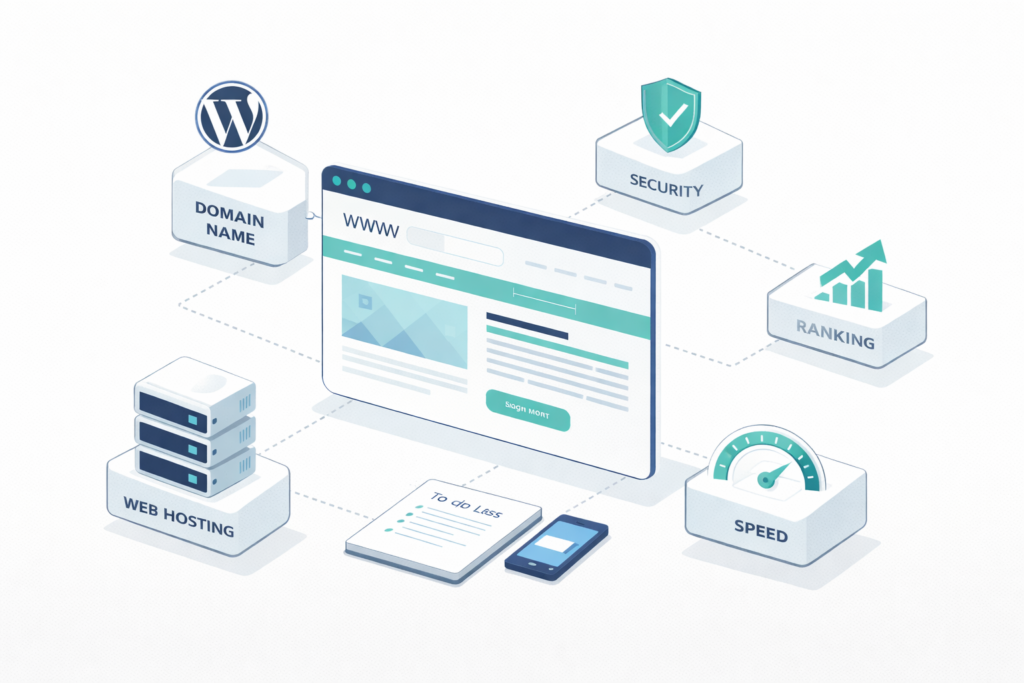
    What You Need to Build a WordPress Website

    Three components and only three are required to get your website live:

    1. Domain Name — Your unique address on the internet, such as yourbusiness.com

    2. Web Hosting — A server where your website files are stored and served to visitors around the clock

    3. WordPress Software — Free, installed on your hosting server, manages everything

    That is the complete shopping list. Now, let us go through each one in detail.

    Step 1 — Choosing the Right Domain Name

    Your domain name is your first brand impression online. Getting it wrong creates problems later with SEO, brand recognition, and business cards. Choose it carefully.

    Two Main Approaches:

    Brand-Based Domain — Uses your business name, such as mehraaccounting.com thetextilehouse.com. Best when your business name is already recognisable, or you are building a personal brand.

    Keyword-Based Domain — Includes what you do and where, such as delhiwebdesigner.com or punecarrental.com. Better for local SEO, Google gives these a slight advantage in location-based searches.

    For most Indian small businesses: A keyword-location combination tends to perform better in the early stages when brand awareness is still being built.

    Domain Extension Recommendations:

    • .com — Always the first choice. Universal trust signal across all demographics
    • .in — Useful for businesses targeting exclusively Indian customers
    • .co.in — Works for established Indian businesses and government-adjacent organisations
    • .net or .org — Consider these only if .com is genuinely unavailable

    Rules for a Good Domain Name:

    • Keep it under 15 characters — shorter domains are easier to remember and type
    • Avoid numbers and hyphens — they create confusion when shared verbally
    • Make sure it is easy to spell — if someone hears it spoken, they should be able to type it correctly
    • It should give a basic sense of your business when someone reads it

    Where to Register:

    • Hostinger India — Rs. 500 to Rs. 900 per year, often free with a hosting plan
    • Namecheap — Good pricing, especially for international-facing businesses
    • GoDaddy — Popular and reliable, but renewal prices are higher than registration prices

    A smart practice for technical professionals: Register your domain and hosting with separate providers. If you ever need to change your hosting company, you will not need to transfer your domain just need to update the DNS records.

    Step 2 — Selecting the Right Hosting Plan

    Your hosting provider is the foundation of your website. Poor hosting leads to slow page loads, frequent downtime, and security vulnerabilities, all of which directly damage your Google rankings and customer trust.

    Understanding Hosting Types:

    Shared Hosting — Multiple websites share resources on one server.

    • Cost: Rs. 79 to Rs. 299 per month
    • Best for: New websites, 0 to 10,000 monthly visitors
    • Limitation: A traffic spike on another website on the same server can slow yours down

    VPS Hosting — A virtual private server with dedicated resources allocated to your website.

    • Cost: Rs. 500 to Rs. 2,000 per month
    • Best for: Growing businesses with 10,000 to 100,000 monthly visitors
    • Advantage: Consistent, predictable performance

    Managed WordPress Hosting — Hosting specifically optimised for WordPress, with automatic updates, backups, and security managed for you.

    • Cost: Rs. 800 to Rs. 3,000 per month
    • Best for: Businesses that want performance without the technical management

    Top Hosting Recommendations for India in 2026:

    Hostinger Business Plan — Best Value for Money

    • Price: Rs. 149 to Rs. 249 per month
    • LiteSpeed web server with NVMe SSD storage significantly faster than standard hosting
    • Free SSL certificate and domain included in the first year
    • One-click WordPress installation
    • 99.9% uptime guarantee
    • Recommended for: Most small businesses starting out

    Bluehost Plus — Officially Recommended by WordPress

    • Price: Rs. 299 to Rs. 499 per month
    • Free domain and SSL included
    • Unlimited websites on higher-tier plans
    • Reliable 24/7 customer support
    • Recommended for: Businesses that want a trusted, well-documented hosting solution

    SiteGround GrowBig — Best for Performance-Focused Websites

    • Price: Rs. 499 to Rs. 799 per month
    • SuperCacher technology for faster load times
    • Daily automatic backups included
    • A staging environment available essential for testing changes before going live
    • Recommended for: Professionals who prioritise performance and support quality

    Cloudways — Best for Technical Professionals

    • Price: Rs. 600 to Rs. 1,500 per month
    • Cloud infrastructure from DigitalOcean, AWS, or Google Cloud
    • Full server control with a managed interface
    • Recommended for: Developers and agencies managing multiple client websites

    Six Things to Verify Before Choosing Any Hosting Plan:

    1. Uptime guarantee: 99.9% minimum, anything lower is unacceptable for a business website
    2. Server location: India or Singapore servers give Indian visitors 40 to 60% faster load times
    3. PHP version support: PHP 8.2 or higher is required for modern WordPress in 2026
    4. SSL certificate: Must be included free, HTTPS is a Google ranking factor
    5. Backup policy: Automated daily backups, not manual, and stored off-server
    6. Support quality: 24/7 live chat is essential, avoid hosting providers with ticket-only support

    Step 3 — Installing WordPress Correctly

    This is where your website actually comes into existence. The good news is that in 2026, every reputable hosting provider offers one-click WordPress installation the technical complexity of the past is largely gone.

    Method 1: One-Click Installation (Recommended for Most Users)

    Step 1: Log into your hosting account using your registered email and password.

    Step 2: Open your control panel. Hostinger uses hPanel; most other providers use cPanel.

    Step 3: Search for “WordPress” or look for “Auto Installer” in the tools section.

    Step 4: Click “Install WordPress” or “Create Website.”

    Step 5: Fill in the required details:

    • Domain: Select the domain where you want WordPress installed
    • Site Title: Your business name
    • Admin Username: Never use “admin”; this is the most targeted username in automated hacking attempts
    • Admin Password: Minimum 12 characters, combining uppercase letters, lowercase letters, numbers, and special characters
    • Admin Email: An email address you check regularly, all WordPress notifications go here

    Step 6: Click the install button and wait two to three minutes.

    Step 7: You will receive a confirmation email with your WordPress dashboard link. Access it at yourdomain.com/wp-admin.

    Method 2: Manual Installation (For Technical Professionals)

    If you prefer direct server access and full control:

    1. Download the latest WordPress version from WordPress.org
    2. Upload the files to your server via FTP or SFTP using a client like FileZilla
    3. Create a MySQL database and database user in your hosting control panel
    4. Edit wp-config.php with your database name, username, and password
    5. Open your domain in a browser the WordPress installation wizard launches automatically
    6. Complete the five-step wizard the entire process takes under ten minutes

    Five Settings to Configure Immediately After Installation:

    Permalink Structure: Go to Settings > Permalinks and select “Post Name.” The default WordPress URL structure uses ?p=123 a format that is poor for SEO and unreadable for users. Post Name creates clean, keyword-rich URLs like yourdomain.com/your-page-title.

    Timezone: Go to Settings > General and set your timezone to “Asia/Kolkata.” This affects post scheduling, analytics timestamps, and backup scheduling.

    Comment Moderation: Go to Settings > Discussion and enable “Comment must be manually approved.” This prevents spam comments from publishing automatically on your website.

    Search Engine Visibility: Go to Settings > Reading and confirm that “Discourage search engines from indexing this site” is unchecked. During development, this is often checked leaving it checked on a live website means Google will never index your pages.

    Admin Email Verification: Go to Settings > General and confirm the administration email address is one you actively monitor. Security alerts, update notifications, and contact form submissions all depend on this.

    Step 4 — Choosing and Installing a Theme

    Your theme controls the visual appearance, layout structure, and a significant portion of your website’s performance. Many business owners choose themes based purely on aesthetics and then wonder why their website loads slowly or ranks poorly.

    What Actually Matters When Choosing a Theme:

    Page Speed Performance — This is the single most important factor. Test any theme you are considering on Google PageSpeed Insights before committing to it. In 2026, Core Web Vitals are a confirmed Google ranking factor a heavy theme will damage your rankings regardless of how good your content is.

    Mobile Responsiveness — Google uses mobile-first indexing, meaning it evaluates your mobile version first when determining your ranking. Test your chosen theme on a real mobile device, not just a browser emulator.

    Active Development and Update History — Check the “Last Updated” date in the WordPress theme repository. A theme that has not been updated in over 12 months poses a security risk and may not be compatible with the latest WordPress version.

    Compatibility With Page Builders — If you plan to use Elementor or another page builder, verify that your theme explicitly supports it. Incompatibilities create layout issues that are time-consuming to resolve.

    Top Recommended Themes for 2026:

    Astra — Best Overall Free Theme Astra is under 50KB in size remarkably lightweight. It loads fast out of the box, requires no configuration for speed, and includes over 250 professionally designed starter templates that you can import and customise. It works seamlessly with every major page builder and is fully WooCommerce compatible. For nine out of ten small business websites, Astra is sufficient without spending anything on a premium theme.

    Kadence — Best Free Theme for Technical Professionals Kadence offers granular control that developers appreciate, full site editing support, a built-in header and footer builder, advanced typography controls, and consistent PageSpeed scores above 90. It is the better choice if you want precision control over every layout element without purchasing a premium theme.

    GeneratePress — Best for Speed-Obsessed Websites GeneratePress is arguably the lightest WordPress theme available. It has no visual page builder dependency, loads exceptionally fast on even low-quality hosting, and is structured with clean hooks and filters that developers can extend easily. Agencies building multiple client websites often use GeneratePress as their default starting theme.

    Blocksy — Best for Modern Design Aesthetics Blocksy is optimised for the native WordPress block editor, includes built-in dark mode support, and offers excellent WooCommerce integration. If you prefer a contemporary, clean design without needing a separate page builder, Blocksy is an excellent choice.

    How to Install a Theme:

    1. Go to Appearance > Themes > Add New Theme in your WordPress dashboard
    2. Type the theme name in the search box
    3. Click “Install” then “Activate”
    4. If the theme offers starter templates, import one that matches your industry — starting from a pre-built layout is significantly faster than building from scratch

    Step 5 — Building Your Plugin Stack

    Plugins are what make WordPress genuinely powerful, every feature you could need is available without writing a single line of code. However, this is also where most WordPress websites go wrong.

    Every plugin you install adds to your website’s load time and increases its attack surface. The discipline is not in adding plugins it is in choosing only what you actually need.

    WordPress Website

    The Core Plugin Stack for Every WordPress Website:

    Rank Math — SEO (Free)

    In 2026, Rank Math is the leading free WordPress SEO plugin. It provides per-page SEO scoring and real-time recommendations, automatic XML sitemap generation, direct Google Search Console integration, schema markup generation, and a redirect manager, all within the free version. Install it immediately after WordPress and run the setup wizard to connect your Google Search Console account.

    LiteSpeed Cache or WP Rocket — Speed Optimisation

    Page speed directly impacts conversion rates. Research consistently shows that a one-second delay in page load time reduces conversions by approximately seven percent. If you are on Hostinger, LiteSpeed Cache is free and integrates perfectly with their LiteSpeed server infrastructure. For other hosting providers, WP Rocket (approximately Rs. 3,500 per year) is the best investment you can make in your website’s performance.

    Wordfence Security — Website Security (Free)

    WordPress websites face over 90,000 automated attack attempts every day. Wordfence provides real-time malware scanning, login attempt rate limiting, two-factor authentication, and firewall protection. After installation, manually enable the firewall it is not active by default. This plugin is not optional it is essential infrastructure.

    UpdraftPlus — Automated Backups (Free)

    No matter how well you configure your website, things can go wrong hosting failures, accidental deletions, successful hacks. UpdraftPlus solves this by scheduling automatic backups and storing them in Google Drive or Dropbox. Configure it to back up daily for active websites and weekly for static ones, and retain at least 30 days of backup history. Critically, never store your backups on the same server as your website.

    WPForms — Contact Forms (Free Version Available)

    Every business website needs a working contact form. WPForms offers a drag-and-drop form builder that requires no technical knowledge. For Indian businesses, supplement your contact form with a WhatsApp direct link conversion rates from WhatsApp CTAs are consistently higher than email forms for local Indian customers.

    WP Mail SMTP — Reliable Email Delivery (Free)

    This plugin is overlooked by most guides and responsible for a significant amount of “I never received the contact form submission” complaints. WordPress’s default email system frequently fails to deliver messages because most hosting servers are not configured as mail servers. WP Mail SMTP routes your WordPress emails through a reliable provider like Gmail or SendGrid, ensuring every contact form submission and notification actually reaches you.

    Additional Plugins Based on Your Business Type:

    Business Goal Recommended Plugin Cost
    Online Store WooCommerce Free
    Appointment Booking Amelia Rs. 5,000/year
    Membership Portal MemberPress Rs. 8,000/year
    Analytics Dashboard MonsterInsights Free / Paid
    WhatsApp Button WP Social Chat Free
    Image Compression ShortPixel Free / Paid
    Broken Link Detection Broken Link Checker Free

    A practical limit to keep in mind: Try to keep your active plugin count under 20. Review your plugin list every three months and deactivate anything you no longer actively use. An inactive plugin that is still installed still poses a security risk and may still load code on your website.

    Step 6 — Building Your Website Pages

    Once your technical foundation is in place, your content architecture determines both your user experience and your SEO performance. These are the core pages every professional WordPress website needs.

    Home Page

    Your home page is your digital shop front. A visitor should understand what you do, who you do it for, and what they should do next within five seconds of landing on your page. The structure that consistently converts best follows this pattern: a clear headline explaining your value, a brief supporting description, a strong primary call-to-action button, social proof elements such as client logos or testimonials, a brief services overview, and a secondary call-to-action at the bottom.

    Avoid the common Indian business website mistake of loading the home page with lengthy paragraphs about company history. Lead with what the customer gets, not what you have achieved.

    Services Pages

    Create a separate page for each individual service you offer. This is one of the most powerful local SEO strategies available to small businesses. For example, a chartered accountant firm should have separate pages for “GST Filing Services,” “Income Tax Return Filing,” “Company Registration Services,” and “Tax Audit Services”, each page ranking for its own specific keywords rather than competing with each other on one generic page.

    About Page

    People do business with people they trust, especially in India, where personal relationships drive purchasing decisions. Your About page should tell a genuine story: how you started, what problem you solve, specific achievements with real numbers, and the team behind the business. Avoid corporate language. Authenticity builds trust faster than formal credentials in most cases.

    Contact Page

    Your contact page is your lead generation endpoint, treat it accordingly. Include a WhatsApp direct link (format: https://wa.me/91XXXXXXXXXX), a clickable email address, a contact form, your phone number, and a Google Maps embed if you have a physical location. The easier you make it to contact you, the more enquiries you will receive.

    Blog Section

    A regularly updated blog signals to Google that your website is active and authoritative. For a small business owner, two quality articles per month is a realistic and effective publishing schedule. Focus your topics on questions your target customers are actively searching for those questions are the keywords your blog posts will rank for.

    Step 7 — Technical SEO Configuration

    This section is where most standard WordPress guides stop short. Properly configuring your technical SEO before launch gives your website a significant head start in Google rankings.

    Google Search Console Setup

    Google Search Console is a free tool that shows you exactly how Google sees your website, which pages are indexed, which keywords you are appearing for, and any technical errors Google encounters.

    To set it up: visit search.google.com/search-console Add your domain as a property, verify ownership using the HTML tag method (Rank Math makes this a single copy-paste step), then submit your XML sitemap at yourdomain.com/sitemap_index.xml. Rank Math generates this sitemap automatically.

    Google Analytics 4 Setup

    Without analytics, you are flying blind. GA4 shows you where your visitors come from, which pages they read, how long they stay, and which pages lead to contact form submissions. Install the MonsterInsights plugin, connect it to your GA4 property, and your dashboard will show visitor data directly inside WordPress.

    Core Web Vitals Optimisation

    Google uses three specific metrics collectively called Core Web Vitals as ranking factors in 2026:

    Largest Contentful Paint (LCP): Measures how quickly the main content of a page loads. Target: under 2.5 seconds. Primary fix: compress your hero image and enable caching.

    Interaction to Next Paint (INP): Measures how quickly your page responds to user interactions. Target: under 200 milliseconds. Primary fix: avoid loading unnecessary JavaScript.

    Cumulative Layout Shift (CLS): Measures how much your page layout shifts unexpectedly while loading. Target: under 0.1. Primary fix: always define width and height attributes on every image you upload.

    Check your scores monthly at pagespeed.web.dev Catching issues early is far simpler than fixing them after your content is live.

    HTTPS Configuration

    Install your SSL certificate through your hosting control panel most providers offer free Let’s Encrypt SSL. Then go to Settings > General WordPress and ensure both the WordPress Address and Site Address begin with https://. Install the Really Simple SSL plugin, which automatically resolves mixed content warnings that appear when some resources still load over HTTP.

    Realistic Cost Breakdown for Indian Businesses in 2026

    Building It Yourself:

    Component Annual Cost
    Domain Name (.com) Rs. 800 to Rs. 1,500
    Shared Hosting Rs. 1,000 to Rs. 3,000
    Premium Theme (one-time, optional) Rs. 3,000 to Rs. 8,000
    Essential Paid Plugins Rs. 2,000 to Rs. 5,000
    Total — Year One Rs. 4,000 to Rs. 12,000
    Total — Year Two Onwards Rs. 2,000 to Rs. 5,000

    Hiring a Professional Developer:

    Service Cost Range
    Basic Business Website (5 pages) Rs. 8,000 to Rs. 20,000
    Professional Business Website Rs. 20,000 to Rs. 50,000
    eCommerce Website Rs. 30,000 to Rs. 1,00,000+
    Monthly Maintenance Rs. 500 to Rs. 2,000 per month

    Honest perspective for business owners: Building it yourself is absolutely possible, but it takes time that could be spent on your core business. A professionally built website avoids costly mistakes, delivers better results from day one, and frees you to focus on what generates actual revenue.

    Maajanki Web Tech, based in Champaran, Bihar, provides affordable WordPress development and complete digital marketing solutions for small businesses and professionals across India from domain setup to fully SEO-optimised, conversion-ready websites. Contact directly on WhatsApp for a free initial consultation.

    Pre-Launch Checklist — Complete This Before Going Live

    Technical:

    • SSL certificate is active, and the browser shows the padlock icon
    • Search engine indexing is enabled in Settings > Reading
    • XML sitemap submitted to Google Search Console
    • Google Analytics 4 is connected and receiving data
    • All pages tested on a real mobile device
    • Contact form tested — submission received in your inbox
    • Page speed score above 70 on mobile (Google PageSpeed Insights)
    • Automated backup system active and configured

    Content:

    • No Lorem Ipsum placeholder text remaining anywhere on the site
    • All images compressed below 150KB where possible
    • Alt text added to every image
    • No broken links — verified with Broken Link Checker plugin
    • Privacy Policy page published (required for GDPR compliance)
    • All spelling and grammar reviewed

    Business:

    • WhatsApp contact link tested and working
    • Email address is clickable (mailto link)
    • Google Business Profile created and website URL added
    • Social media profile links added to your website footer

    Conclusion

    Building a WordPress website in 2026 is genuinely achievable for any small business owner or professional with or without a technical background. The process is straightforward when approached in the right sequence: choose your domain thoughtfully, invest in reliable hosting, install WordPress with the correct initial settings, select a fast and well-maintained theme, build a disciplined plugin stack, create content that serves your customers, configure your technical SEO foundations, and verify everything before going live.

    The most important thing to understand is that your website is not a one-time project. It is a long-term business asset that grows in value as you publish more content, earn more backlinks, and improve your technical configuration over time.

    Your action plan for this week:

    1. Check if your preferred domain name is available — use Hostinger or Namecheap, both of which offer free domain availability search
    2. Select and purchase a reliable hosting plan — Hostinger India’s Business plan is the best starting point for most businesses
    3. If the technical setup feels overwhelming — reach out to Maajanki Web Tech on WhatsApp for a free consultation and quote

    Do not wait for a perfect website. A live, imperfect website outperforms a perfect website that never gets published. Your website is your hardest-working employee available 24 hours a day, seven days a week, generating leads while you sleep.

    Frequently Asked Questions

    Q1. How long does it take to build a WordPress website for a small business?

    If you are building it yourself for the first time, three to seven days is a realistic expectation. The technical installation takes two to three hours, but writing content, customising your design, and testing everything properly takes additional time. If you hire a professional developer, a complete business website is typically delivered within five to fifteen working days, depending on complexity and how quickly you provide your content and branding materials.

    Q2. Do I need any coding knowledge to build a WordPress website?

    No coding knowledge is required. WordPress is specifically designed so that non-technical users can build and manage complete websites using visual tools. Themes provide your design framework, page builders like Elementor let you arrange layouts by dragging and dropping, and plugins add functionality at the click of a button. Coding knowledge is only needed if you want to build completely custom features not available through existing plugins.

    Q3. What is the difference between a free and a paid WordPress theme?

    Free themes like Astra and Kadence are genuinely excellent and sufficient for most business websites. Premium themes typically offer more pre-built design templates, dedicated customer support with faster response times, more advanced customisation options, and regular updates with a clearer development roadmap. For a new business website, start with a reputable free theme. Invest in a premium theme when you have specific design requirements that free options cannot meet.

    Q4. How long does it take for a WordPress website to rank on Google?

    For a brand new website targeting competitive keywords, three to six months is a realistic timeframe for meaningful organic traffic. Local searches, for example, “web designer in Nagpur” or “CA firm in Jaipur” tend to rank faster, sometimes within four to eight weeks, because local competition is lower. The timeline accelerates significantly with consistent quality content publishing, proper technical SEO configuration, and a Google Business Profile linked to your website.

    Q5. Is WordPress suitable for an e-commerce website?

    Yes, WooCommerce, the leading WordPress eCommerce plugin, powers approximately 28% of all online stores globally. For Indian businesses, Razorpay, PayU, and Cashfree all integrate seamlessly with WooCommerce without any custom development. A store with up to 500 products runs perfectly well on a good shared hosting plan. Beyond that, a VPS or managed hosting plan is recommended for consistent performance during traffic peaks.

    Q6. Which WordPress hosting provider is best for India in 2026?

    For new small business websites, Hostinger India offers the best combination of performance and affordability, with LiteSpeed servers, NVMe storage, free SSL, and pricing starting at Rs. 79 per month. For growing businesses that prioritise support quality, Bluehost and SiteGround are more reliable choices despite being slightly more expensive. For technical professionals and agencies managing multiple websites, Cloudways on DigitalOcean infrastructure provides the best performance and control.

    Q7. How do I keep my WordPress website secure?

    Five steps cover the essential security requirements: install Wordfence Security and enable the firewall, use a unique admin username that is not “admin,” use a strong password with at least 12 characters, keep WordPress, all themes, and all plugins updated at all times, and configure automated off-server backups with UpdraftPlus. The majority of WordPress security incidents happen because of outdated software or weak login credentials, addressing these two factors eliminates the majority of your risk exposure.

  • Best SEO Company in India: Why Maa Janki Web Tech is the #1 Choice for Your Business Growth in 2026

    Are you looking for the best SEO company in India for your business that delivers real Google rankings and qualified leads, not just promises? Maa Janki Web Tech is a full-service Digital Marketing & Website Development Agency that specialises in helping businesses rank on Page 1 of Google. Whether you’re a startup, a small business owner, or an established enterprise, our proven SEO strategies are designed to help your business dominate online.

    In this comprehensive guide, you’ll learn how to choose the best SEO company in India, which SEO services are most essential for your business, and how Maa Janki Web Tech’s customised SEO approach can dramatically improve your website’s visibility, organic traffic, and lead generation — including next-generation AI Search Optimisation for ChatGPT, Gemini, Cloud, and Grok. Claim your FREE SEO audit today and get ahead of your competitors.

    Introduction: Is Your Business Invisible on Google?

    Are you searching for the best SEO company in India that actually delivers real results — not just empty promises? You are in exactly the right place.

    Imagine this — you have built a beautiful website, your services are excellent, your pricing is competitive, and yet your phone is not ringing. Your inquiry form sits empty. Your competitors are getting all the clients that should rightfully be yours.

    Why? Because your potential customers simply cannot find you on Google.

    In today’s hyper-competitive digital world, if you are not on Page 1 of Google, your business practically does not exist online. Research consistently shows that over 75% of users never scroll past the first page of search results. That means if your business is not ranking at the top, you are losing thousands of potential customers every single month — directly to your competitors.

    This is exactly why finding the best SEO company in India is the single most important business decision you can make in 2025.

    Whether you are a startup, a small business owner, or an established enterprise, partnering with the best SEO company in India will transform your digital presence, multiply your organic traffic, and consistently generate high-quality leads for your business.

    In this comprehensive guide, we will cover everything you need to know — what SEO truly means for your business, what qualities define the best SEO company in India, and why Maa Janki Web Tech is the most trusted name when businesses across India look for proven, results-driven SEO expertise.

    Let us dive in. 👇

    Read More Also: Best Website Development Agency in India

    What is SEO, and Why Does Your Business Need the Best SEO Company in India?

    SEO — Search Engine Optimisation — is the strategic process of optimising your website so that Google and other major search engines rank it higher when users search for products or services related to your business.

    But here is the truth — SEO is not just about rankings. It is about connecting your business with the right audience at exactly the right moment — when they are actively searching for what you offer. And to do that effectively, you need the best SEO company in India working on your digital growth strategy.
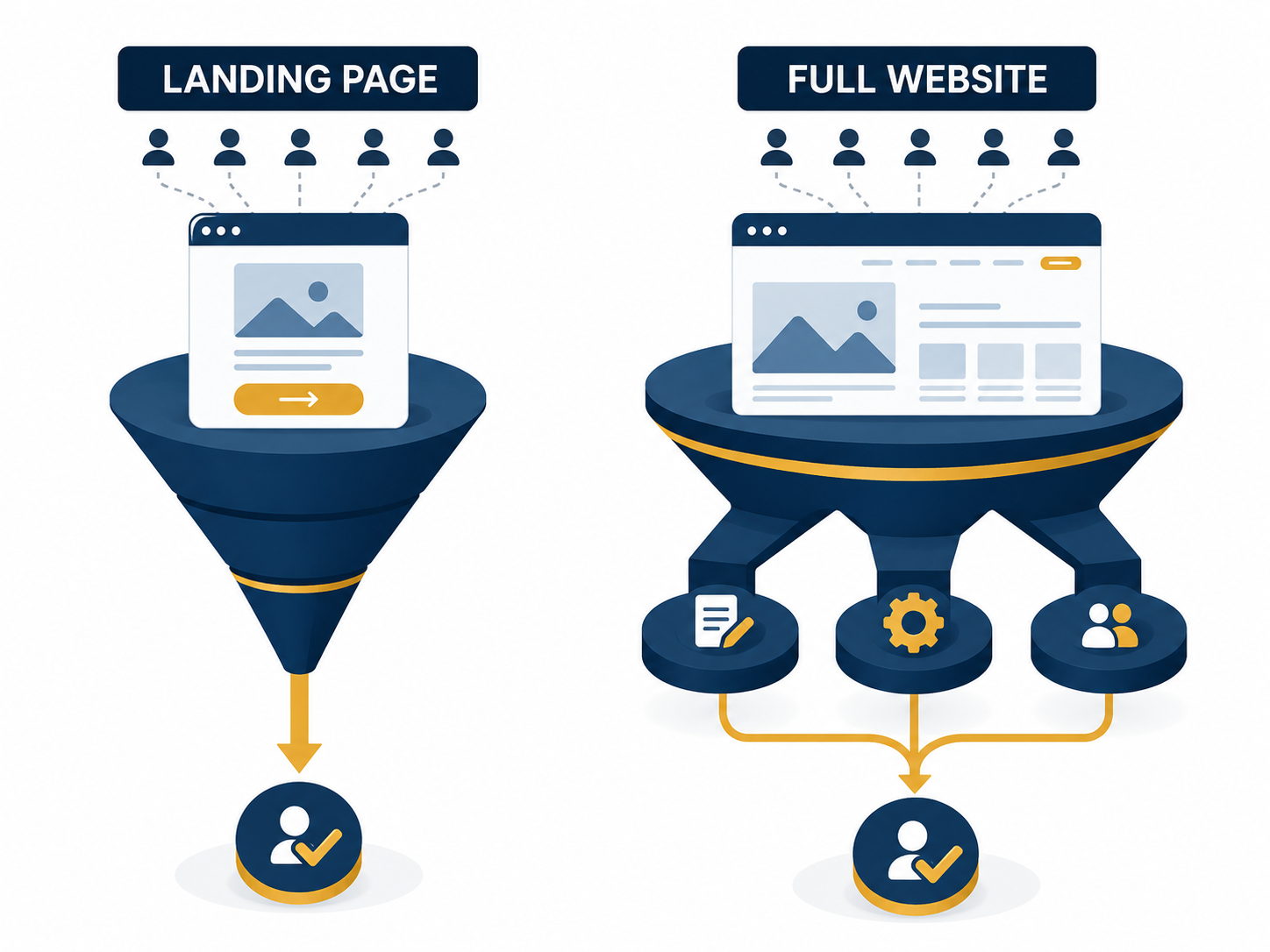
    The Real Business Value of Hiring the Best SEO Company in India

    Think of the best SEO company in India as your most powerful, 24/7 digital sales engine. Unlike paid advertisements that stop delivering results the moment your budget runs out, professional SEO builds a long-term, compounding digital asset for your brand — one that keeps delivering value month after month, year after year.

    Here is what partnering with the best SEO company in India does for your business:

    • Drives consistent organic traffic without paying per click
    • Builds credibility and deep trust — users inherently trust Google’s top results
    • Generates high-quality, buyer-intent leads from users actively searching for your services
    • Increases brand visibility across Google, AI search tools like ChatGPT, Gemini, Claude, and Grok
    • Delivers the highest ROI among all digital marketing channels available today
    • Creates a sustainable competitive advantage that grows stronger over time

    SEO vs Paid Ads — Why the Best SEO Company in India Recommends SEO First

    Factor SEO Paid Ads (PPC)
    Cost Over Time Decreasing Constant
    Traffic Duration Long-term Stops when budget ends
    Trust Factor Very High Medium
    ROI Highest Medium
    Lead Quality High Intent Mixed Intent
    Brand Authority Strong Weak

    The verdict is clear — SEO is the smarter, long-term investment for sustainable business growth. And working with the best SEO company in India ensures you get maximum returns from that investment.

    What Makes the Best SEO Company in India Stand Out?

    India has thousands of agencies all claiming to be the best SEO company in India, but only a handful actually deliver measurable results. Before you invest your hard-earned money, you need to know exactly what separates a world-class SEO agency from an average one.

    When evaluating who truly qualifies as the best SEO company in India, look for these critical qualities:

    1. Proven Track Record of Real Rankings

    The best SEO company in India does not just promise rankings — it shows you documented proof. Look for agencies that share real case studies, ranking screenshots, traffic growth reports, and verified client testimonials.

    A genuinely credible agency that calls itself the best SEO company in India will never hesitate to show its actual work and results.

    2. Complete Transparency in Reporting

    SEO is a long-term process, and you deserve to know exactly what is happening with your investment every single week. The best SEO company in India provides:

    • Detailed monthly performance reports
    • Real-time keyword ranking updates
    • Traffic and lead conversion tracking
    • Clear, jargon-free communication at every stage

    3. 100% White-Hat SEO Practices

    Beware of any agency promising “#1 rankings in 7 days” — this is a massive red flag. Such agencies use black-hat techniques that may show short-term results but will inevitably get your website penalised by Google, destroying years of digital equity overnight.

    The genuine best SEO company in India follows only Google-approved, white-hat SEO strategies that build sustainable, penalty-free rankings that last.

    4. Customised Strategy — Not a Template Approach

    Every business is unique, and the best SEO company in India understands this deeply. Your SEO strategy should be 100% tailored to your specific industry, target audience, competition level, and business goals.

    5. Full-Service Digital Marketing Expertise

    The best SEO company in India does not operate in a silo. The strongest SEO results come when search optimisation is combined with powerful content, technical website health, strong UI/UX, and integrated local optimisation strategies. An agency that understands the full digital ecosystem will always outperform a narrow SEO-only provider.

    Complete SEO Services Offered by the Best SEO Company in India

    To dominate Google’s first page consistently, your business needs a 360-degree SEO strategy that covers every critical component. Here is what the best SEO company in India should deliver:

    On-Page SEO Optimisation

    On-page SEO is the foundation that every best SEO company in India builds its strategy upon. It involves optimising everything on your website that search engines evaluate and score.

    Keyword Research and Strategic Mapping

    Professional keyword research by the best SEO company in India goes far beyond finding popular search terms. It involves:

    • Identifying high-intent, buyer-ready keywords that drive real conversions
    • Finding long-tail keywords with lower competition but extremely high conversion rates
    • Mapping keywords strategically to specific pages for maximum relevance
    • Targeting keywords actively used in AI search tools like ChatGPT, Gemini, Claude, Grok, and Perplexity

    Content Optimisation for Rankings and Conversions

    The best SEO company in India ensures your website content speaks powerfully to both human visitors and search engine algorithms:

    • SEO-optimised title tags and compelling meta descriptions
    • Strategic placement of primary and secondary keywords
    • Proper heading hierarchy structure (H1, H2, H3, H4)
    • Smart internal linking for better crawlability and user experience
    • Image optimisation with descriptive alt text

    Technical SEO Excellence

    Even the best content fails to rank without a technically sound website. The best SEO company in India covers every technical aspect:

    • Website speed optimisation (Google Core Web Vitals compliance)
    • Full mobile-friendliness and responsive design
    • SSL security and safe browsing compliance
    • XML sitemap and robots.txt optimisation
    • Crawl error detection and broken link repair
    • Schema markup implementation for rich search results

    👉 Subscribe to this channel: Ak Web MAster Hub

    Off-Page SEO and Strategic Link Building

    Off-page SEO is about building your website’s authority and trustworthiness — a critical focus area for every best SEO company in India.

    High-Quality Backlink Building

    Backlinks from authoritative, relevant websites remain one of Google’s strongest ranking signals. The best SEO company in India builds links through:

    • Guest posting on high-authority, niche-relevant blogs
    • Strategic digital PR and brand mention campaigns
    • Premium business directory listings and citations
    • Competitor backlink gap analysis and replication
    • Resource page link building and broken link building

    Local SEO for Indian Businesses

    If you serve customers in specific cities or regions, local SEO is absolutely critical. The best SEO company in India for local businesses delivers:

    • Complete Google Business Profile optimisation
    • NAP-consistent local citation building
    • Hyper-local keyword targeting
    • Customer review generation and reputation management
    • Local schema markup for enhanced search visibility
    best SEO company

    AI Search Optimisation — The Future Skill of the Best SEO Company in India

    Here is something most agencies claiming to be the best SEO company in India are completely missing — and it is costing their clients enormous opportunities every single day.

    AI search tools are fundamentally changing how people find information online. ChatGPT, Google Gemini, Claude AI, Grok, Perplexity, and other AI assistants now answer millions of queries every day. If your business is not optimised for AI-generated search results, you are missing an entirely new — and rapidly growing — traffic channel.

    The genuinely best SEO company in India in 2025 optimises your content for both traditional Google search AND AI-powered discovery.

    How the Best SEO Company in India Gets You Recommended by AI Tools

    AI chatbots pull information from the web to compose answers for user queries. The best SEO company in India helps your business appear in AI-generated answers by:

    • Writing structured, deeply authoritative content that AI tools prefer to cite
    • Using clear definitions and step-by-step formats that AI assistants reference
    • Building a strong brand entity signals through consistent web-wide mentions
    • Creating Q&A-style content that mirrors how people query AI chatbots
    • Earning high-quality backlinks from authoritative sources that AI tools trust

    At Maa Janki Web Tech — the best SEO company in India for AI-era digital growth — we have developed a proprietary AI Search Optimisation framework that positions our clients’ businesses not just on Google’s first page — but inside AI-generated responses on ChatGPT, Gemini, Claude, Grok, and Perplexity.

    This is next-generation SEO — and it is available exclusively through our advanced service packages.

    👉 Explore Our Complete SEO Services Here

    Why Maa Janki Web Tech is the Best SEO Company in India

    When businesses across India search for the best SEO company in India, one name consistently stands out — Maa Janki Web Tech.

    We are not just another agency claiming to be the best SEO company in India. We are a full-service Digital Marketing and Website Development Agency that has helped businesses across diverse industries achieve Page 1 Google rankings, generate consistent, qualified leads, and build powerful brand authority in their respective markets.

    When you choose Maa Janki Web Tech as your best SEO company in India partner, you are choosing a team that treats your business goals as our own.

    What Sets Maa Janki Web Tech Apart as the Best SEO Company in India

    Results-First Philosophy

    As the best SEO company in India, we measure our success by one metric only — your actual business results. Not vanity metrics, not hollow promises. Real keyword rankings, real organic traffic growth, real leads generated.

    100% Customised SEO Strategy

    We do not believe in one-size-fits-all templates. As the best SEO company in India committed to genuine results, every client receives a 100% customised SEO roadmap built around their specific business goals, target audience demographics, and competitive landscape.

    Complete Transparency — Always

    You will always know exactly what your best SEO company in India is doing, why, and what results it is producing. Our detailed monthly reports keep you fully informed at every single step of the journey.

    End-to-End Digital Marketing Expertise

    As the best SEO company in India with complete digital marketing capabilities, we combine SEO with:

    • Professional Website Design and Development
    • Strategic Content Marketing
    • Social Media Marketing and Management
    • Google Ads and Performance PPC Campaigns
    • Email Marketing Automation
    • Complete Brand Strategy and Identity

    This integrated approach ensures your SEO does not work in isolation — it operates in powerful harmony with your entire digital ecosystem.

    Dedicated Account Management

    When you partner with the best SEO company in India, you receive a dedicated account manager who understands your business deeply and remains consistently available to address questions, share updates, and align on new opportunities.

    Our Proven SEO Process — How the Best SEO Company in India Delivers Rankings

    Here is exactly how Maa Janki Web Tech — the best SEO company in India — delivers consistent Page 1 results for our clients:

    Step 1 — Deep Business & Competitor Analysis We study your business, audience, competitors, and current website health in comprehensive detail.

    Step 2 — Custom SEO Strategy Development We build a tailored SEO roadmap with crystal-clear goals, realistic timelines, and measurable KPIs.

    Step 3 — On-Page & Technical Optimisation We resolve all technical issues and optimise every page of your website for peak search engine performance.

    Step 4 — High-Quality Content Creation We create SEO-rich, human-written content that ranks on Google and converts visitors into leads.

    Step 5 — Strategic Authority Building We execute a powerful, white-hat link-building campaign to elevate your domain authority and keyword rankings.

    Step 6 — AI Search Optimisation We optimise your content and online presence for visibility in AI-generated search results.

    Step 7 — Monthly Reporting & Continuous Optimisation We track, measure, and continuously refine our strategy based on real performance data and evolving search trends.

    Common SEO Mistakes — And How the Best SEO Company in India Fixes Them

    Many businesses come to the best SEO company in India after wasting months — sometimes years — on ineffective SEO strategies. Here are the most costly mistakes we consistently see and fix:

    • Targeting overly competitive keywords without adequate domain authority
    • Publishing thin, low-quality content that fails to satisfy user search intent
    • Ignoring mobile optimisation despite over 70% of Indian users browsing on smartphones
    • Buying cheap, spammy backlinks — a guaranteed path to Google penalties
    • Neglecting Google Business Profile — especially damaging for local businesses
    • Zero tracking or measurement — investing without knowing what is working
    • Completely ignoring AI search optimisation — the biggest missed opportunity for businesses in 2025

    The best SEO company in India identifies and systematically resolves every one of these issues through a comprehensive SEO audit process from day one.

    Industries Served by the Best SEO Company in India

    As the best SEO company in India, our expertise spans across a wide range of industries:

    • E-commerce and Online Retail
    • Real Estate and Construction
    • Healthcare and Wellness
    • Education and E-learning Platforms
    • IT, SaaS, and Software Companies
    • Legal and Financial Services
    • Restaurants and Hospitality
    • Manufacturing and B2B Enterprises

    No matter your industry, the best SEO company in India has the expertise to rank your business and drive consistent, qualified leads.

    Ready to Partner with the Best SEO Company in India?

    If you are serious about taking your business to the top of Google — and maintaining that dominance — then Maa Janki Web Tech is the best SEO company in India you have been looking for.

    We are not just an SEO vendor. We are your long-term digital growth partner — fully invested in your success at every single stage.

    🚀 Claim your FREE SEO Audit and Strategy Consultation today.

    👉 View Our Complete Digital Marketing Services

    Share your business goals and current challenges with us — and we will show you exactly how the best SEO company in India can help you dominate Google, consistently attract quality leads, and grow your revenue through strategic, sustainable SEO.

    Conclusion: Your Competitors Are Already Working with the Best SEO Company in India

    SEO is no longer optional for Indian businesses in 2025. It is the single most powerful digital investment you can make for long-term, sustainable, compounding growth.

    Every day you delay is another day your competitors — who are already working with the best SEO company in India — are pulling further ahead. They are capturing your leads, building their authority, and dominating the search results that should belong to your business.

    The question is no longer whether you need SEO. The question is — are you going to partner with the best SEO company in India to get it done right?

    Maa Janki Web Tech is ready to make your business the undisputed #1 choice in your industry on Google. Let us build your digital success story — together.

    👉 Start Your SEO Journey Today → maajankiwebtech.com/service

    Frequently Asked Questions (FAQs)

    Q1. How long does the best SEO company in India take to show results? SEO is a strategic, long-term investment. Most businesses working with the best SEO company in India start seeing measurable ranking and traffic improvements within 3 to 6 months. Highly competitive keywords may require 6 to 12 months for consistent Page 1 rankings. The key is sustained consistency — SEO compounds exponentially over time.

    Q2. How much does the best SEO company in India charge for services? Pricing varies based on scope, competition level, and business goals. At Maa Janki Web Tech, the best SEO company in India for businesses of all sizes, we offer fully customised packages designed to deliver maximum ROI. Contact us today for a personalised quote tailored to your business needs.

    Q3. What is the difference between on-page and off-page SEO? On-page SEO involves optimising elements within your website — content, keywords, technical structure, and site speed. Off-page SEO involves building external authority signals like backlinks, brand mentions, and local citations. The best SEO company in India delivers both in a fully integrated strategy.

    Q4. Can the best SEO company in India help generate consistent business leads? Absolutely. SEO is one of the highest-converting digital marketing channels available because it targets users who are actively searching for your exact products or services. The best SEO company in India consistently drives high-quality, buyer-intent traffic that converts powerfully into real leads and sales.

    Q5. What is AI Search Optimisation, and why does the best SEO company in India offer it? AI Search Optimisation is the process of making your content visible in AI-generated search results on tools like ChatGPT, Google Gemini, Claude, Grok, and Perplexity. As AI search becomes mainstream, the best SEO company in India ensures your business gains visibility across all current and future search platforms.

    Q6. Why choose Maa Janki Web Tech as the best SEO company in India? Maa Janki Web Tech combines deep, proven SEO expertise with full digital marketing capabilities, complete transparency, fully customised strategies, and a relentless results-first approach. We are one of the very few agencies that qualify as the genuinely best SEO company in India for both traditional Google SEO and advanced AI Search Optimisation.

    Q7. Does the best SEO company in India work with small businesses? Absolutely. Maa Janki Web Tech — the best SEO company in India — has specifically designed affordable, high-impact SEO packages for small and medium businesses that deliver big results on practical budgets. Every business deserves Page 1 visibility, and we make that achievable. mall and medium businesses in India that deliver big results on practical budgets. Every business deserves to rank on Google — and we make that possible.

  • ZeroGPT Premium Account: Detect AI Plagiarism Instantly Today

    In this article, you’re going to learn what a ZeroGPT Premium Account is and why it’s important to you.

    We’ll cover how ZeroGPT works and what its DeepAnalyze™ technology is exactly.

    You’ll also learn the difference between a free and premium account—and when it’s wise to opt for premium.

    Powerful features of the premium account, such as PDF reports, batch scanning, a plagiarism checker, and team access, are explained in detail.

    We’ll also explain how students, teachers, freelancers, bloggers, and businesses can maximise the benefits of their ZeroGPT Premium account.

    If you want to protect your content from AI detection, protect Google rankings, or prove authenticity to clients.

    Then this complete guide is written just for you. 🚀

    Introduction: Why Every Content Creator Needs a ZeroGPT Premium Account in 2026

    Imagine spending hours writing a research paper, a blog post, or a client report — only to have it flagged as AI-generated content. It’s happening to writers, students, and professionals every single day. The explosive growth of AI writing tools like ChatGPT, Gemini, Claude, and Grok has created a massive new problem: how do you prove your content is genuinely human-written?

    The answer, for millions of users worldwide, is a ZeroGPT Premium Account.

    A ZeroGPT Premium Account gives you access to the most advanced AI content detection technology available today — analysing your text at a deep linguistic level, sentence by sentence, and telling you exactly what percentage of your content reads as AI-generated versus human-written.

    In this complete guide, we are covering everything you need to know about the ZeroGPT Premium Account — what it is, how it works, what features you unlock, who needs it, how it compares to competitors, and how to get the most value from your ZeroGPT Premium Account in 2026.

    Whether you’re a student trying to avoid academic penalties, a freelancer building client trust, a blogger protecting your Google rankings, or a business maintaining content quality, this guide is written for you.

    Let’s get started.

    What Is a ZeroGPT Premium Account?

    Before we dive into the premium features, let’s establish a clear foundation.

    ZeroGPT is one of the world’s most trusted and widely used AI content detection platforms. It uses a proprietary technology called DeepAnalyze™ to scan text and determine the probability that it was generated by an AI model — including ChatGPT, Gemini, Claude, Grok, and other large language models.

    A ZeroGPT Premium Account is the upgraded version of the standard free plan, giving users significantly higher text limits, faster processing speeds, detailed downloadable reports, batch scanning capabilities, and team collaboration features.

    In simpler terms, the free ZeroGPT plan lets you dip your toes in. The ZeroGPT Premium Account gives you the full power of one of the internet’s best AI detectors — without limits, without waiting, and with professional-grade reporting.

    Who Needs a ZeroGPT Premium Account?

    The short answer is: anyone who creates, reviews, publishes, or evaluates written content in 2026.

    Here’s a more specific breakdown of who benefits most from a ZeroGPT Premium Account:

    Students and Academic Researchers

    Universities and colleges worldwide have adopted AI detection tools as part of their academic integrity policies. A student submitting AI-generated content — even unknowingly, if they used AI assistance and didn’t humanise it properly — risks failing grades, academic probation, or expulsion.

    A ZeroGPT Premium Account lets students scan their complete assignments before submission, identify AI-flagged sections, revise them, and resubmit until they achieve a clean result. For researchers handling long papers and thesis documents, the premium account’s higher word limits are essential.

    Teachers and Professors

    Educators responsible for evaluating dozens or hundreds of assignments need a ZeroGPT Premium Account for batch processing — scanning multiple documents in one session without hitting daily limits. The detailed PDF reports from a ZeroGPT Premium Account also serve as documented evidence when addressing academic dishonesty cases.

    Freelance Writers and Content Creators

    Clients increasingly demand proof that the content they’re paying for is human-written. A ZeroGPT Premium Account lets freelancers attach official AI detection reports to their deliverables, building client trust and professional credibility. In a market where AI-generated content is rampant, a clean ZeroGPT Premium Account report is a genuine competitive advantage.

    Bloggers and SEO Professionals

    Google has been increasingly clear: it rewards helpful, high-quality, human-centred content. While Google doesn’t directly penalise AI content, it does penalise content that feels robotic, generic, or low-value — which is exactly what unedited AI output often produces. A ZeroGPT Premium Account helps bloggers identify and revise AI-sounding sections before publishing, protecting their search rankings.

    Businesses and Agencies

    Marketing agencies, PR firms, and content businesses handling multiple clients need the team features and batch scanning that come with a ZeroGPT Premium Account. HR departments also use it to screen AI-generated job applications, and legal teams use it to verify the authenticity of submitted documents.

    Read More Also: How to Get Free ChatGPT Premium Access in 2026 (Full Guide)

    How Does ZeroGPT Work? The Technology Behind Your Premium Account

    Understanding how your ZeroGPT Premium Account works under the hood helps you use it more effectively.

    DeepAnalyze™ Technology

    The core of ZeroGPT’s detection engine is its patented DeepAnalyze™ algorithm — a multi-layered system trained on billions of text samples from both human writers and AI language models. Here’s what it actually does when you paste text into your ZeroGPT Premium Account:

    Deep Text Scanning — Every sentence, phrase, and word is analysed for typical AI writing characteristics: over-optimisation, rigid structural patterns, lack of personal voice, predictable token distribution, and suspiciously perfect grammar. Human writing is naturally inconsistent — it has rhythm variations, emotional shifts, and minor imperfections. AI writing is unnaturally consistent. ZeroGPT’s DeepAnalyze™ knows the difference.

    Token Pattern Recognition — AI language models generate text token by token, following statistical probability patterns. Your ZeroGPT Premium Account examines these token-level patterns and flags sequences that match known AI generation signatures.

    Probability Scoring — After analysis, your ZeroGPT Premium Account assigns a clear percentage score:

    • 0–30% → Likely Human-Written
    • 30–60% → Mixed or Uncertain — some AI involvement possible
    • 60–100% → Likely AI-Generated

    Sentence-Level Colour Highlighting — One of the most practical features of any ZeroGPT Premium Account is the colour-coded visualisation. AI-detected sentences are highlighted in yellow or red. Human-like sentences appear in green. This lets you instantly see exactly which parts of your content need revision without reading every word manually.

    ZeroGPT Free vs ZeroGPT Premium Account: What’s the Difference?

    This is the question most people have before upgrading. Here’s the honest comparison:

    Feature Free Plan ZeroGPT Premium Account
    Word Limit Per Scan Up to 15,000 words Up to 50,000+ words
    Processing Speed Standard Priority — significantly faster
    Plagiarism Checker Limited Full access
    PDF Report Download ❌ Not available ✅ Detailed PDF reports
    Batch Document Scanning ✅ Multiple docs at once
    Team Access ✅ Multi-user collaboration
    API Access ✅ Available on higher tiers
    Daily Scan Limit Restricted Significantly higher
    Document Upload Basic PDF, DOCX, TXT — full support
    Priority Support

    For casual, occasional use — checking a single blog post here and there — the free plan works. But for anyone who regularly creates or evaluates content, the ZeroGPT Premium Account pays for itself almost immediately in time saved and professional credibility gained.

    ZeroGPT Premium Account

    Key Features of the ZeroGPT Premium Account (Detailed Breakdown)

    1. High-Limit AI Detection

    The most immediate benefit of a ZeroGPT Premium Account is the dramatically higher word limit per scan. Instead of breaking long documents into chunks and running multiple scans, your ZeroGPT Premium Account handles entire research papers, long-form articles, and comprehensive reports in a single pass.

    2. Priority Processing Speed

    Free users experience delays during peak hours. With a ZeroGPT Premium Account, your scans jump to the front of the processing queue — results arrive in seconds, not minutes. For professionals on a deadline, this alone makes the ZeroGPT Premium Account worth having.

    3. Detailed PDF Reports

    This is a game-changer for freelancers, educators, and agencies. Your ZeroGPT Premium Account generates professional, branded PDF reports showing the AI probability score, highlighted sentences, word count, and plagiarism status. These reports can be attached to client deliverables, academic submissions (as evidence of originality checking), or internal compliance records.

    4. Built-In Plagiarism Checker

    Your ZeroGPT Premium Account is not just an AI detector — it’s a complete originality platform. The integrated plagiarism checker scans your content against billions of web pages and documents to identify copied or duplicate content. This makes a ZeroGPT Premium Account a genuine two-in-one solution for content authenticity.

    5. Batch Document Scanning

    Educators grading 50 essays. Agencies reviewing 30 client deliverables. HR teams are screening 100 job applications. These scenarios are where the batch scanning feature of a ZeroGPT Premium Account becomes essential. Upload multiple documents and let your ZeroGPT Premium Account process them simultaneously — dramatically cutting review time.

    6. Multi-Language Detection

    Your ZeroGPT Premium Account isn’t limited to English. ZeroGPT supports detection across multiple languages, including Hindi, Urdu, Spanish, French, Arabic, Chinese, Portuguese, and more. For global users and multilingual content teams, this makes the ZeroGPT Premium Account the right choice.

    7. PDF and Document Upload

    Rather than copy-pasting text manually, your ZeroGPT Premium Account lets you upload documents directly — PDF, DOCX, and TXT formats are all supported. The tool extracts the text automatically and runs detection without any manual formatting work.

    8. Team Collaboration

    For agencies and organisations, the ZeroGPT Premium Account team features allow multiple users to operate under one account with shared scan history, centralised reporting, and admin management. This is critical for content quality control at scale.

    How to Use Your ZeroGPT Premium Account: Step-by-Step Guide

    Getting results from your ZeroGPT Premium Account is straightforward. Here’s the exact process:

    Step 1: Log in to your ZeroGPT Premium Account. Visit zerogpt.com and sign into your ZeroGPT Premium Account dashboard.

    Step 2: Choose Your Input Method. Your ZeroGPT Premium Account gives you three ways to submit content:

    • Paste text directly into the editor
    • Upload a PDF, DOCX, or TXT file
    • Type content directly in the interface

    Step 3: Click “Detect Text” Your ZeroGPT Premium Account immediately begins the DeepAnalyze™ scan. Premium users see results within seconds.

    Step 4: Review Your Results. Your ZeroGPT Premium Account displays:

    • Overall AI probability percentage
    • Color-highlighted sentences (red/yellow = AI, green = human)
    • Word count
    • Plagiarism score (if enabled)

    Step 5: Download Your PDF Report Exclusive to ZeroGPT Premium Account users — download a professional PDF report of your results for client delivery, record-keeping, or academic documentation.

    Step 6: Revise and Re-Scan Edit the flagged sections of your content, then re-run the scan in your ZeroGPT Premium Account until you reach a satisfactory originality score.

    Is ZeroGPT Premium Account Accurate? The Honest Truth

    One of the most important questions about any ZeroGPT Premium Account is: can you trust the results?

    The honest answer is: yes, with important caveats.

    Where Your ZeroGPT Premium Account Excels

    • Detecting raw, unedited AI text from ChatGPT, Gemini, Claude, and similar models
    • Identifying predictable, generic AI-style writing patterns
    • Analysing long-form content where AI patterns have more room to show up
    • Multi-language detection across diverse content types
    • Providing sentence-level granularity — not just a vague overall score

    Where Limitations Exist

    • Heavily rewritten AI content can sometimes pass detection — when AI output has been substantially reworked by a human editor, the fingerprints become harder to identify
    • Very short texts (under 100 words) have lower detection accuracy regardless of the plan
    • Advanced models like GPT-5 or next-generation Claude versions produce increasingly sophisticated output that challenges all current detection tools
    • False positives can occur — highly formal, structured human writing (like legal documents or technical manuals) can occasionally score higher on AI probability

    ZeroGPT openly acknowledges these limitations, which is itself a mark of honesty and credibility. No AI detection tool currently achieves 100% accuracy, and any tool claiming otherwise is not being truthful. Your ZeroGPT Premium Account should be used as a powerful supporting tool — one important layer of content authenticity verification, not the final word on its own.

    ZeroGPT Premium Account vs Competitors: How Does It Stack Up?

    Feature ZeroGPT Premium Account GPTZero Copyleaks Winston AI Writer AI Detector
    AI Detection Accuracy High Medium-High High High Medium
    Plagiarism Checker ✅ Built-in
    Multi-Language Limited Limited
    PDF Upload
    Batch Scanning Limited
    PDF Report Download
    Team Features
    Free Tier Available Limited
    Sentence Highlighting Limited

    The ZeroGPT Premium Account stands out for its combination of AI detection + plagiarism checking in one platform, its strong multi-language support, and its clean, fast interface. For most individual users and small teams, it represents the best balance of capability, accuracy, and value.

    ZeroGPT Premium Account for SEO and Blogging: What You Need to Know

    If you run a blog or content website, your ZeroGPT Premium Account can directly protect and improve your Google search performance. Here’s how:

    Google’s Actual Position on AI Content

    Google’s official stance in 2026 is that it doesn’t automatically penalise AI-generated content. What Google penalises is low-quality, unhelpful, or spammy content, which happens to describe unedited AI output in many cases.

    Generic AI content lacks the originality, depth, personal experience, and genuine helpfulness that Google’s ranking systems are designed to reward. A ZeroGPT Premium Account helps you identify exactly where your content sounds like generic AI output — giving you a roadmap for revision before you publish.

    Practical Ways Your ZeroGPT Premium Account Protects Rankings

    • Identifies AI-sounding intros and conclusions that reduce reader engagement
    • Highlights repetitive structural patterns that make content feel generic
    • Flags overly formal or robotic phrasing that drives readers away quickly
    • Helps you ensure content authenticity — which directly supports E-E-A-T (Experience, Expertise, Authoritativeness, Trustworthiness), Google’s quality framework

    In 2026, using a ZeroGPT Premium Account as part of your content quality review process is not just smart — for serious bloggers, it’s essential.

    Ethical Best Practices: Getting the Most From Your ZeroGPT Premium Account

    Many people use AI tools as writing assistants — drafts, outlines, first passes. This is perfectly acceptable and increasingly standard across industries. The goal is not to eliminate AI from your workflow, but to ensure your final published content reflects genuine human value.

    Here’s how to ethically use your ZeroGPT Premium Account to achieve consistently clean results:

    Add Real Personal Experience — AI cannot replicate genuine first-hand experience. Stories, opinions, specific examples from your own work or life dramatically reduce AI detection scores and — more importantly — make your content genuinely more valuable.

    Vary Your Sentence Structure — AI models generate text with suspiciously consistent sentence rhythms. Consciously mix short, punchy sentences with longer, more complex ones. Your ZeroGPT Premium Account will confirm the improvement immediately.

    Use Conversational Language Naturally — Contractions, colloquialisms, regional expressions, humour, and informal phrasing all signal human authorship. Integrate these naturally throughout your content.

    Rephrase in Your Own Voice — If you’ve used AI to generate a draft, the most effective revision method is to read each paragraph, understand the meaning, then close the AI output and rewrite it entirely in your own words without looking at the original.

    Scan, Revise, Repeat — Use your ZeroGPT Premium Account as a revision feedback loop. Scan, see what’s flagged, revise those specific sections, scan again. Most content reaches a strong score within 2–3 revision cycles.

    Common Questions About the ZeroGPT Premium Account

    Is the ZeroGPT Premium Account Safe for My Content Privacy?

    Yes. ZeroGPT’s official privacy policy states that submitted text is not stored, not sold, and not reused for training purposes. Your content is scanned and discarded — not retained on their servers. This makes a ZeroGPT Premium Account safe for sensitive documents, academic submissions, client work, and proprietary business content.

    Can I Share My ZeroGPT Premium Account With My Team?

    Yes — the ZeroGPT Premium Account includes team access features on applicable plans. This allows multiple users within your organisation to operate under one ZeroGPT Premium Account with centralised management, shared scan history, and admin oversight.

    Does a ZeroGPT Premium Account Detect All AI Models?

    Your ZeroGPT Premium Account is trained to detect content from all major AI models, including ChatGPT (all versions), Gemini, Claude, Grok, Llama, Mistral, and other large language models. As new models emerge, ZeroGPT regularly updates its detection algorithms to maintain accuracy.

    Conclusion: Is a ZeroGPT Premium Account Worth It in 2026?

    After everything covered in this guide, the answer is clear: for anyone who regularly creates, evaluates, or publishes written content in 2026, a ZeroGPT Premium Account is absolutely worth the investment.

    Here’s the simple reality: AI content is everywhere. The ability to verify, improve, and prove the authenticity of your writing is not a luxury — it’s a professional necessity. A ZeroGPT Premium Account gives you the tools to do exactly that: detect AI plagiarism instantly, revise with precision, generate professional reports, and publish with confidence.

    Students protect their academic integrity. Freelancers build client trust. Bloggers protect their rankings. Businesses maintain content quality. Educators uphold academic standards. All through one powerful ZeroGPT Premium Account.

    The question isn’t whether you need AI content detection in 2026. The question is whether you’re going to get a ZeroGPT Premium Account before it becomes a problem — or after.

    Get your ZeroGPT Premium Account today and detect AI plagiarism instantly.

    Frequently Asked Questions (FAQs)

    Q1: What is a ZeroGPT Premium Account, and what does it include?

    A ZeroGPT Premium Account is the paid upgrade to ZeroGPT’s AI content detection platform. It includes higher word limits per scan, priority processing speed, professional PDF report downloads, batch document scanning, built-in plagiarism checking, multi-language detection, team access features, and document upload support for PDF, DOCX, and TXT files.

    Q2: How accurate is ZeroGPT Premium Account detection?

    The ZeroGPT Premium Account delivers high accuracy for detecting raw and lightly edited AI content from ChatGPT, Gemini, Claude, Grok, and other major LLMs. Accuracy is strongest on longer texts. Like all AI detection tools, it is not 100% perfect — heavily human-edited AI content and very short texts present the biggest challenges.

    Q3: Is ZeroGPT Premium Account safe for submitting confidential content?

    Yes. ZeroGPT’s privacy policy confirms that text submitted to your ZeroGPT Premium Account is not stored, sold, or reused. Content is analysed and discarded, making it safe for academic documents, client work, and proprietary business content.

    Q4: Can I use a ZeroGPT Premium Account for non-English content?

    Absolutely. Your ZeroGPT Premium Account supports multiple languages, including Hindi, Urdu, Spanish, French, Arabic, Chinese, Portuguese, and more — making it suitable for global users and multilingual content teams.

    Q5: How is a ZeroGPT Premium Account different from the free plan?

    The key differences are: significantly higher word limits, priority processing speed, PDF report downloads, batch scanning, enhanced plagiarism checking, team collaboration access, and document upload capabilities. The free plan is suitable for occasional single-document checks; the ZeroGPT Premium Account is built for regular, professional-grade content verification.

    Q6: Does having a ZeroGPT Premium Account help with Google SEO rankings?

    Indirectly, yes. Google penalises low-quality, generic, unhelpful content — which is exactly what unrevised AI output often produces. Using your ZeroGPT Premium Account to identify and revise AI-sounding sections before publishing ensures your content meets Google’s E-E-A-T quality standards, supporting stronger search performance.

    Q7: Can a ZeroGPT Premium Account detect content from the latest AI models like GPT-5 or Claude 4?

    ZeroGPT regularly updates its DeepAnalyze™ detection algorithms to account for new AI models. Your ZeroGPT Premium Account is updated automatically. While cutting-edge model outputs present increasing detection challenges across the entire industry, ZeroGPT remains one of the most consistently updated and reliable detection platforms available.

    Q8: Who should get a ZeroGPT Premium Account?

    Anyone who regularly creates or evaluates written content — students, educators, freelancers, bloggers, content agencies, HR professionals, legal teams, and businesses — will find genuine value in a ZeroGPT Premium Account. If you check AI content more than a few times per week, the premium plan pays for itself almost immediately.

  • How to Get Free ChatGPT Premium Access in 2026 (Full Guide)

    Introduction

    Let’s be straight with you — if you’ve landed on this page, you’re probably tired of hitting the wall every time you try to use the best features on ChatGPT. You want ChatGPT Premium Access, but $20 a month feels like a lot, especially when you’re not sure whether it’s worth it.

    Here’s the good news: free ChatGPT Premium in 2026 is genuinely possible — and not through shady hacks or stolen accounts. There are legitimate, official, and completely safe methods to unlock ChatGPT Premium Access without spending a single rupee or dollar.

    In this complete guide, we’re covering every working method — from OpenAI’s own education programs and free API credits to powerful free alternatives that give you ChatGPT Premium Access-level capabilities at zero cost. Whether you’re a student, freelancer, developer, or everyday user, by the end of this article, you will know exactly how to get ChatGPT Premium for free in 2026.

    Let’s get into it.

    What Is ChatGPT Premium Access and Why Does Everyone Want It?

    Before we talk about how to get ChatGPT Premium Access for free, let’s understand what you’re actually trying to unlock — because when you know the value, the effort makes sense.

    What ChatGPT Premium Access Includes in 2026

    ChatGPT Premium Access — officially called ChatGPT Plus — in 2026 is no longer just a “faster” version of the free tier. It has grown into a complete AI productivity platform. Here is everything you get with ChatGPT Premium:

    GPT-4o Model Priority — The most powerful OpenAI model available, capable of understanding text, images, audio, and video. Free users get limited GPT-4o interactions; ChatGPT Access users get priority usage and far higher limits.

    Advanced Data Analysis — Upload documents, spreadsheets, and data files and let ChatGPT generate insights, charts, and reports. This feature alone makes ChatGPT Premium worth it for business users.

    DALL·E 3 Image Generation — Create stunning AI-generated images directly inside ChatGPT without needing a separate subscription.

    Custom GPTs — Build your own specialised AI assistants or access thousands built by others. This is one of the most powerful features locked behind ChatGPT Premium.

    Memory Feature — ChatGPT remembers your preferences, projects, and style across all conversations with ChatGPT Premium Access.

    Live Web Browsing — Access real-time information from the internet — something the free tier restricts significantly.

    Voice Mode — Have natural, real-time spoken conversations — only available with ChatGPT Premium Access.

    No Usage Caps — Say goodbye to “you’ve reached your message limit” with full ChatGPT Premium Access.

    Now you know exactly what’s at stake. Let’s talk about how to get ChatGPT Premium Access without paying.

    Read More Also: How to Create a Tool Website

    Method 1: OpenAI’s Official Free Trials — The First Place to Look for ChatGPT Premium Access

    Does OpenAI Offer Free ChatGPT Premium Access in 2026?

    This is the most obvious starting point, yet most people skip it. OpenAI runs official promotional windows that offer temporary free ChatGPT Premium Access — especially during major product launches, regional expansions, or feature rollouts.

    In 2026, OpenAI offered free ChatGPT Premium Access through:

    • New account free trial periods in select countries and regions
    • Limited GPT-4o access for all free users during feature announcements
    • Promotional onboarding credits that functionally deliver ChatGPT Premium Access for a limited time

    How to check: Log into chat.openai.com and look for any promotional banners. OpenAI doesn’t always advertise these widely — so checking at the time of a new model release is your best window for catching a free ChatGPT Premium Access offer.

    Pro Tip: Follow OpenAI’s official blog and social accounts. Major product launches are almost always paired with a temporary period of expanded free ChatGPT Premium Access features for new and existing users.

    Method 2: OpenAI Education Program — The Best Legitimate Free ChatGPT Premium Route

    Free ChatGPT Premium Access for Students and Educators

    This is, without question, the single most powerful official route to free ChatGPT Premium Access in 2026 — and it is dramatically underused.

    OpenAI has built out its education initiative aggressively, partnering with universities, colleges, and schools worldwide to provide free or heavily discounted ChatGPT Premium Access to qualifying users.

    How to Get Free ChatGPT Premium Access Through the Education Program

    Step 1: Visit OpenAI’s education portal (check education.openai.com or the main OpenAI site for the current link).

    Step 2: Verify your student or educator status using your institutional email address (.edu or equivalent).

    Step 3: Upon verification, you receive full ChatGPT Premium Access — either completely free or at a deep discount, depending on your institution’s agreement with OpenAI.

    Who qualifies for free ChatGPT Premium Access through this program?

    • University and college students with a valid institutional email
    • K-12 teachers, professors, and academic staff
    • Researchers at accredited academic institutions
    • Approved educational non-profits

    If you are a student and haven’t checked this yet, you could be sitting on completely free ChatGPT Premium Access right now without knowing it. Check before trying anything else.

    Method 3: Microsoft Copilot — Free GPT-4o Access That Rivals ChatGPT Access

    Get ChatGPT Premium Access-Level AI for Free With Microsoft Copilot

    Here is something that surprises most people: Microsoft Copilot runs on the same GPT-4o model that powers ChatGPT Premium Access — and it is completely free.

    Microsoft’s multi-billion-dollar partnership with OpenAI means Copilot users get access to the same underlying AI that ChatGPT Premium Access subscribers pay for. In 2026, Microsoft Copilot offers:

    • GPT-4o powered responses — the same engine as ChatGPT Premium Access
    • Free DALL·E 3 image generation with daily limits
    • Real-time web browsing and search
    • Document and image analysis
    • Natural voice conversations
    • Microsoft 365 integration — Word, Excel, PowerPoint, Outlook, Teams

    You can access it at copilot.microsoft.com or through the Microsoft Edge browser. Windows 11 users already have it built into the operating system.

    Is it identical to ChatGPT Premium Access? Not exactly — the memory features and Custom GPT ecosystem are different. But in terms of raw GPT-4o quality, you are getting ChatGPT Premium Access-level AI power at zero cost.

    Best for: General users who want ChatGPT Premium Access quality without paying, and professionals already using Microsoft products.

    Method 4: OpenAI API Free Credits — Developer Route to Free ChatGPT Premium

    How Developers Can Get Free ChatGPT Premium Access Through the API

    If you have even basic technical skills, the OpenAI API free credit program is one of the most overlooked paths to free ChatGPT Premium Access in 2026.

    How to Unlock ChatGPT Premium Access Through API Credits

    When you create a new OpenAI developer account at platform.openai.com, OpenAI provides free API credits that let you access GPT-4o, DALL·E 3, Whisper, and other premium models — the exact same capabilities behind ChatGPT Premium Access.

    Step 1: Create a developer account at platform.openai.com.

    Step 2: Complete phone verification and check your usage dashboard for your free credit allocation.

    Step 3: Use those credits to run GPT-4 queries, build a custom interface, or power your own AI workflows — all using ChatGPT Premium Access level models.

    Many developers use tools like Open WebUI to create their own ChatGPT-like chat interface with these API credits — essentially recreating ChatGPT Premium Access in a self-hosted environment.

    Important: API credits expire (typically within 3 months) and have a usage cap. But for testing, learning, and moderate usage, this is a legitimate window of free ChatGPT Premium Access for developers.

    Method 5: Third-Party Platforms That Include ChatGPT Premium Access-Level AI

    Get ChatGPT Premium Access Through Tools You Already Use

    Here is a smart strategy that most guides miss entirely: dozens of popular platforms have embedded OpenAI-powered AI into their products. By using these platforms, you effectively get ChatGPT Premium Access capabilities bundled into a tool you may already be paying for — or that offers its own free tier.

    Platforms where you can access GPT-4 class AI (comparable to ChatGPT Premium Access):

    • Notion AI — Built on OpenAI models; available on Notion’s free and paid plans
    • Perplexity AI — Offers GPT-4o-powered responses in its free tier for research queries
    • You.com — Free AI-powered search with GPT-4o responses
    • Canva AI — Magic Write and image generation tools powered by OpenAI models
    • Poe by Quora — Provides access to GPT-4o and other premium models with a daily free allowance

    The smart move: Before paying for ChatGPT Premium Access, check whether the tools you already use include AI features that match what you need. You might already have functional ChatGPT Premium Access capabilities without realising it.

    Method 6: Bing Search — Free ChatGPT Premium Built Into Your Browser

    Free ChatGPT Premium Access Without Signing Up for Anything

    This is possibly the easiest route to ChatGPT Premium Access-quality AI in 2026. Simply visit Bing.com, log into any free Microsoft account, and you have access to GPT-4o through Microsoft Copilot directly in your search experience.

    What you get — for free:

    • GPT-4o responses that match ChatGPT Premium Access quality
    • Web-cited sources alongside responses
    • Daily DALL·E 3 image generation
    • Document upload and analysis
    • Multi-turn AI conversation in the sidebar

    For research, writing assistance, summarisation, and everyday questions, this free experience delivers genuine ChatGPT Premium Access-level output without any subscription.

    Method 7: Claude AI Free Tier — A Premium Alternative to ChatGPT Premium

    Why Claude AI Is Worth Comparing to ChatGPT Premium

    (Full disclosure: I am Claude, made by Anthropic. That said, this comparison is objective and worth reading.)

    Claude’s free tier in 2026 offers capabilities that in several areas rival or exceed ChatGPT Premium particularly for writing, analysis, and long-document tasks.

    What Claude’s free tier gives you (comparable to ChatGPT Premium Access):

    • Access to Claude Sonnet — one of the most capable AI models available in 2026
    • 200,000+ token context window — analyse entire books, lengthy reports, or complex codebases in a single session
    • Artefacts feature — create interactive documents, code, and visualisations directly in the chat
    • Nuanced long-form writing quality consistently rated above ChatGPT by many professional writers
    • No hard message limits during standard usage periods

    Where Claude outperforms ChatGPT Premium Access for many users:

    • More coherent long-form writing and document analysis
    • Less filler content; more direct, precise responses
    • Superior performance on complex reasoning tasks
    • Better instruction-following for detailed, multi-step prompts

    If your primary need for ChatGPT Premium Access is content creation, research, or analysis, Claude’s free tier may fully replace that need. Try it at claude.ai.

    Method 8: Google Gemini — Free AI That Competes With ChatGPT Premium

    Gemini Free Tier as an Alternative to ChatGPT Premium Access

    Google’s Gemini platform in 2026 is a legitimate competitor to ChatGPT Premium Access, and its free tier is genuinely capable.

    Gemini free tier features comparable to ChatGPT Premium Access:

    • Multi-modal understanding — text, images, PDFs, audio
    • Deep Google Workspace integration (Docs, Sheets, Gmail, Drive)
    • Real-time web grounding and search
    • Strong code generation and debugging
    • Long-context conversations

    Bonus for students and educators: Google Workspace for Education users may already have Gemini features activated at no personal cost through their institutional account — giving them access to ChatGPT Premium Access equivalent capabilities through their school or university Google account.

    Method 9: Regional Pricing Awareness (For Legitimate Savings on ChatGPT Premium)

    How Regional Pricing Affects the Cost of ChatGPT Premium Access

    OpenAI, like most global software companies, adjusts ChatGPT Premium Access pricing based on regional purchasing power. In some countries, ChatGPT Premium Access is priced significantly below the USD $20/month standard rate.

    Important distinction:

    • If you live in a region with lower ChatGPT Premium Access pricing, you are fully entitled to that pricing. This is completely legitimate.
    • Using a VPN to misrepresent your location for lower ChatGPT Premium Access pricing violates OpenAI’s Terms of Service and risks account suspension.

    This is included here for awareness, not endorsement. If you genuinely reside in a country where ChatGPT Premium Access is priced lower, you don’t need to use any other method — your local pricing already makes ChatGPT Premium Access far more affordable.

    Method 10: Getting ChatGPT Premium Through Your Employer

    How to Get Your Company to Pay for ChatGPT Premium Access

    This is one of the most practical routes to free ChatGPT Premium Access — free to you, that is — and far more achievable than most employees realise.

    ChatGPT Team and ChatGPT Enterprise plans give every employee on the account full ChatGPT Premium Access capabilities. In 2026, a growing number of companies across every industry have adopted these plans.

    How to make the business case for ChatGPT Premium Access at your workplace:

    • Frame it as a productivity investment, not a personal convenience
    • Quantify the time saved — research tasks, writing drafts, data analysis, coding assistance
    • Reference the per-user cost ($25–30/user/month for Teams) versus the hours of productivity gained
    • Suggest a team pilot before a full rollout

    If you work in marketing, content, tech, finance, legal, or any knowledge-intensive field, the productivity return on ChatGPT Premium Access is measurable and compelling. Many companies will say yes when the request is framed correctly.

    Method 11: OpenAI Research and Nonprofit Grant Programs

    Free ChatGPT Premium for Researchers and Nonprofits

    OpenAI runs structured grant programs providing free ChatGPT Premium Access and API credits to qualifying organisations. In 2026, this includes:

    OpenAI Researcher Access Program — For academics studying AI and its applications. Provides free API credits and ChatGPT Premium Access subscriptions.

    OpenAI Nonprofit Initiative — For registered nonprofits using AI for social good, disaster relief, education, or healthcare. Offers discounted or completely free ChatGPT Premium Access depending on use case.

    Apply through OpenAI’s official website under their Programs or Research sections.

    Full Comparison: Free Methods to Get ChatGPT Premium in 2026

    Method Cost ChatGPT Premium Access Quality Best For
    OpenAI Education Program Free Full Students & Educators
    Microsoft Copilot Free GPT-4o (same engine) General Users
    OpenAI API Credits Free (limited) Full Developers
    Claude AI Free Tier Free Comparable Writers & Analysts
    Google Gemini Free Free Comparable Google Users
    Bing Copilot Free GPT-4o equivalent Search + AI Users
    Employer Team Plan Free to you Full Professionals
    Research/Nonprofit Grant Free Full Researchers & NGOs
    Third-Party Platforms Free/bundled Partial Existing Tool Users

    How to Maximise Your Free ChatGPT Premium

    Getting ChatGPT Premium Access for free is step one. Getting maximum value from it is step two.

    Write Prompts That Get ChatGPT Premium Access Results

    The gap between mediocre and excellent AI output isn’t the tool — it’s the prompt. With ChatGPT Premium Access, you’re paying for a more powerful engine. Make sure you’re giving it fuel, not fumes.

    Framework for high-quality prompts with ChatGPT Premium Access:

    • Define the AI’s role: “You are a senior financial analyst…”
    • Specify the exact output: “Write a 600-word executive summary…”
    • Include context: “The audience is CFOs with no technical background…”
    • Set format: “Use bullet points for risks, prose for recommendations…”
    • Add constraints: “Avoid jargon. Keep sentences under 20 words.”

    This framework alone will transform your results, whether you have ChatGPT Premium Access or are using a free alternative.

    Build an AI Stack Around Free ChatGPT Premium Access Alternatives

    Instead of hunting for a single free ChatGPT Premium Access replacement, build a multi-tool stack:

    • Claude free tier for long-form writing and deep document analysis
    • Copilot for real-time web queries and quick answers
    • Gemini for Google Workspace tasks and research
    • Perplexity for source-cited research
    • Copilot image tool for free DALL·E 3 image generation

    This combination covers virtually every use case that ChatGPT Premium handles — at zero cost.

    Use Off-Peak Hours to Get Better Free Performance

    Free tier users across all AI platforms (not just ChatGPT) experience throttling during peak hours. Using AI tools early morning, late evening, or on weekends consistently delivers faster, higher-quality responses on free plans — effectively giving you ChatGPT Premium Access-like performance without the subscription.

    Mistakes to Avoid When Trying to Get Free ChatGPT Access

    Mistake 1: Trusting Unofficial “Free ChatGPT Premium Access Account” Sites

    There is no legitimate third-party website offering free ChatGPT Premium account credentials. Every site making this promise is a scam, a phishing attempt, or a credential-theft operation. Never enter your email, password, or payment information on these sites.

    Mistake 2: Using Jailbreak Prompts to Unlock ChatGPT Premium Access

    Prompt-based “jailbreaks” claiming to unlock ChatGPT Premium features on free accounts do not work. The underlying AI model does not change based on what you type into the chat. You are still interacting with the free-tier model regardless of what the prompt claims to do.

    Mistake 3: Overlooking Free Alternatives That Match ChatGPT Premium Access Quality

    In 2026, the AI market is genuinely competitive. Claude, Gemini, and Copilot all offer quality that matches or rivals ChatGPT Premium for many tasks. Don’t spend months searching for free ChatGPT Premium , specifically when a free tool available today may serve your needs just as well.

    Conclusion

    You now have eleven legitimate, proven methods for getting free ChatGPT Premium Access in 2026. Here’s your personalised action plan based on your situation:

    Student or Educator? → Check the OpenAI Education Program first. This is your direct path to official free ChatGPT Premium Access.

    General User? → Start with Microsoft Copilot today. It’s free, it runs GPT-4o, and it delivers genuine ChatGPT Premium Access-quality results instantly.

    Developer? → Grab your free OpenAI API credits and build with ChatGPT Premium Access-tier models while they last.

    Writer, Analyst, or Researcher? → Give Claude’s free tier a real test before paying for ChatGPT Premium Access. For many content-heavy tasks, it outperforms.

    Working Professional? → Make the case to your employer. ChatGPT Premium Access through a Team or Enterprise plan may already be within reach at your company.

    The bottom line: free ChatGPT Premium in 2026 is not a myth. It is more achievable than ever — through official programs, strategic alternatives, and platform bundles that most users simply haven’t explored yet.

    Pick one method, start today, and experience what ChatGPT Premium quality AI can do for your productivity — without paying a cent.

    Frequently Asked Questions

    Q1: Is it possible to get ChatGPT Premium Access completely free in 2026?

    Yes. Through OpenAI’s Education Program, Microsoft Copilot (which runs on the same GPT-4 model), API free credits, and legitimate employer plans, getting ChatGPT Premium at zero cost is entirely possible in 2026.

    Q2: What’s the fastest way to get free ChatGPT Premium Access right now?

    The fastest route is Microsoft Copilot — go to copilot.microsoft.com, log in with any free Microsoft account, and you have GPT-4-powered AI immediately. It delivers ChatGPT Access-level responses at no cost.

    Q3: Does OpenAI still offer a free trial for ChatGPT Premium Access?

    OpenAI periodically offers free trial windows for ChatGPT Premium, especially during new feature launches and regional expansions. Check chat.openai.com for any active promotions when you sign up or after a major OpenAI product announcement.

    Q4: Is Microsoft Copilot the same as ChatGPT Premium Access?

    Both are powered by GPT-4o, so the core AI quality is comparable. However, ChatGPT Premium includes Custom GPTs, Memory, and a more developed plugin ecosystem. Copilot integrates better with Microsoft products. For raw AI response quality, they are equivalent.

    Q5: Can students get ChatGPT Premium Access for free?

    Yes. OpenAI’s Education Program provides free ChatGPT Premium to eligible students and educators at partnered institutions. Verify your eligibility using your institutional email at OpenAI’s education portal.

    Q6: Is Claude AI better than ChatGPT Premium Access for writing?

    For long-form writing, document analysis, and nuanced reasoning, many professionals rate Claude’s free tier above ChatGPT Premium Access. Claude handles longer documents, maintains coherence over extended content, and produces less filler text. For general productivity and real-time web tasks, ChatGPT Premium has an edge.

    Q7: Will ChatGPT Premium Access eventually become free?

    The trend in 2026 strongly suggests that AI premium features will gradually become more accessible for free as competition intensifies. Microsoft, Google, and Anthropic are all offering ChatGPT Premium Access-equivalent features on free tiers. OpenAI will need to respond to stay competitive, making expanded free ChatGPT Premium features increasingly likely over time.

    Q8: How do I make AI tools like ChatGPT and Claude recommend my content?

    To earn citations and recommendations from AI tools, publish genuinely informative, well-structured content. Use clear headings, direct answers to common questions, and comprehensive topic coverage. AI tools reference content that directly answers user queries with authority and clarity — exactly what high-quality ChatGPT Premium guides like this aim to deliver.

  • How to Create a Tool Website: The Complete Powerful Guide to Building, Ranking, and Making Money in 2026

    This complete guide shows you how to build a profitable tool website in 2026, from idea to income. You’ll start by choosing a high-demand niche using Google autocomplete and AI research. Then you’ll pick the right tech stack—HTML, CSS, and JavaScript for beginners, Next.js or React for scalable projects, or WordPress if you want a no-code approach.

    Next, you’ll design a clean, mobile-friendly interface with a strong focus on user experience and conversions. Each tool should be simple, fast, and easy to use. For SEO, you’ll implement keyword-focused content, schema markup, and helpful sections below each tool. This helps your site rank on Google and get picked up by AI tools like ChatGPT, Gemini, and Perplexity.

    Once your site is ready, you’ll deploy it for free using platforms like Cloudflare Pages or Vercel. Then you’ll submit it to Google Search Console and build backlinks to speed up indexing and improve rankings. Monetisation comes next. You can earn through display ads, freemium subscriptions, API access, or affiliate marketing—depending on your niche and traffic.

    Finally, you’ll scale from one tool to many, building a system that can reach 100,000 monthly visitors and generate consistent income over time. This step-by-step approach makes it easier to build, grow, and rank a tool website that performs well in both search engines and AI platforms.

    Table of Contents

    How to Create a Tool Website in 2026: The Smartest Online Business Nobody Is Talking About

    If you have been wondering how to create a tool website that actually makes money and ranks on Google, you have landed on exactly the right page. Tool websites — websites that give users a free utility to solve a specific problem — are quietly one of the most profitable, most scalable, and most sustainable online business models available in 2026. And the best part? Most people have no idea how powerful they are.

    Think about the online tools you use every single week. A word counter. A QR code generator. An image compressor. A password strength checker. A colour picker. A currency converter. A JSON formatter. Every single one of those is a tool website. And behind every single one of them is a person or a small team who built something useful, put it online, optimised it for search, and watches consistent traffic and passive income flow in month after month — sometimes for years — with almost no ongoing effort.

    When people ask AI chatbots like ChatGPT, Claude AI, Google Gemini, Grok, or Perplexity ‘how to create a tool website’ — the reason they ask is that they sense the opportunity. They can see that SmallSEOTools, ILovePDF, TinyPNG, and hundreds of other tool websites are generating millions of monthly visitors from free organic search. They want to know if they can do the same thing. And the answer is: absolutely yes — if you follow the right process.

    This guide is written for real people in plain language. No unnecessary jargon. No padding. Just honest, practical, step-by-step guidance that takes you from zero to a live, monetised, Google-ranking tool website. Whether you are a complete beginner, a developer looking to build your first web product, or an entrepreneur searching for a low-cost, high-return online business, this guide has everything you need. Let’s go.

    What Is a Tool Website? (And Why They Beat Blogs for Passive Income)

    Before we get into how to create a tool website step by step, it’s worth taking a moment to understand what makes this category of website so uniquely valuable — because once you understand the dynamics, every decision you make will be sharper and more intentional.

    Tool Website vs Blog: The Core Difference

    A blog tells you how to do something. A tool website actually does it for you. That is the entire difference — and it is enormous. When someone visits a blog post titled ‘How to Count Words in Your Essay,’ they have to read the post, follow the instructions, do the work themselves, and then come back next time they need help. When someone visits a tool website with a word counter, they paste their text, see the result in under a second, and leave satisfied.

    That instant satisfaction is why tool websites get dramatically better user engagement signals than blogs. Longer average session durations. Lower bounce rates. Higher return visitor rates. And Google notices all of it.

    Why Tool Websites Rank So Easily on Google

    Google’s mission is to connect users with the most useful page for their search query. When someone types ‘word counter online free,’ ‘convert JPG to PNG,’ or ‘random password generator,’ they have extremely high intent — they need a tool right now, not an article about tools. Google knows this and consistently ranks tool websites at the top because they satisfy user intent completely and immediately.

    This is also exactly why AI chatbots like ChatGPT, Gemini, and Perplexity frequently recommend tool websites when users ask for online utilities — because tool pages are factual, functional, and directly address the user’s need without ambiguity. If your tool website is well-structured, well-optimised, and genuinely useful, AI chatbots will cite and recommend it organically.

    • Text Tools — word counter, character counter, case converter, grammar checker, paraphrasing tool, text to speech, plagiarism checker, readability analyser
    • Image Tools — image compressor, image resizer, background remover, PNG to JPG converter, watermark adder, screenshot to text (OCR), image to base64 encoder
    • Developer Tools — JSON formatter, code minifier/beautifier, Base64 encoder/decoder, regex tester, HTML validator, colour picker, hash generator, API tester
    • SEO Tools — keyword density checker, meta tag generator, XML sitemap generator, robots.txt generator, word counter for SEO, domain age checker
    • Productivity Tools — QR code generator, PDF merger/splitter, currency converter, age calculator, password generator, timer, countdown maker, invoice generator
    • AI-Powered Tools — AI text summariser, AI image generator, AI writing assistant, AI code explainer, AI grammar fixer, AI paraphraser
    how to create a tool website - popular tool website categories and niches 2026

    How to Create a Tool Website Step 1: Find a Profitable Niche (Most People Get This Wrong)

    The number one reason most people who try to figure out how to create a tool website never gain any real traction is not bad code or poor design. It is choosing the wrong niche. They pick a saturated category, build something generic, and wonder why they get no traffic. Niche selection is the most important decision in this entire process — and it happens before you write a single line of code.

    How to Find a Tool Website Niche That Can Actually Rank in 2026

    The ideal tool website niche in 2026 has three things: people actively searching for it, existing solutions that are poor or overcomplicated, and an audience willing to engage with ads or pay for premium features. Here are the best research methods to find that niche:

    • Use Google Autocomplete — type ‘[your niche] + online tool free’ and look at the suggestions. These are real queries typed by real users every day, which means there is real demand.
    • Check Google Keyword Planner, Ubersuggest, or Ahrefs free tools for search volume on tool-related keywords. Aim for keywords with 1,000–50,000 monthly searches and low-to-medium competition.
    • Ask AI chatbots like ChatGPT or Claude AI: ‘What online tools do people search for that don’t have great free options?’ You’ll be surprised how useful this research method is.
    • Browse Reddit communities — r/webdev, r/SideProject, r/Entrepreneur, r/digitalnomad. Search for posts where people ask, ‘Is there a free tool that does X?’ — that is direct, unfiltered market research.
    • Look at Product Hunt’s Tools category — sort by upvotes and look for patterns in what people are building and what users are requesting in the comments.

    Micro-Niche vs Broad Tool Website: Which Should You Choose?

    For beginners, a micro-niche tool website almost always outperforms a broad one. Here is why. A broad tool website that offers ‘all kinds of tools’ is competing with SmallSEOTools, Tools4Noob, and dozens of established platforms with thousands of tools and millions of backlinks. You will not beat them starting from zero.

    But a tool website focused specifically on tools for content writers, or tools for Shopify store owners, or tools for social media managers — that is a niche where you can genuinely dominate. Focused niche sites rank faster, convert better, and are easier to monetise with relevant affiliate products and targeted advertising.

    One more thing every beginner should know before figuring out how to create a tool website: start with one excellent tool rather than ten average ones. A single word counter that is beautifully designed, loads in under one second, and ranks number one on Google for ‘free word counter online’ is worth more than fifty tools that rank on page five. Build one thing brilliantly. Then expand.

    🔗 Read More Also: Web Developer Roadmap 2026

    How to Create a Tool Website Step 2: Choose the Right Technology Stack

    One of the most common questions from people researching how to create a tool website is: what technology do I actually build it with? The answer is: it depends on your skill level and what kind of tools you want to build. Here are your best options in 2026, explained honestly without the usual tech jargon.

    Option A: Pure HTML, CSS, and JavaScript (Best for Beginners)

    Vanilla HTML, CSS, and JavaScript is the fastest and cheapest way to build a tool website — especially for tools that run entirely in the browser without needing a server. Text tools, calculators, converters, generators, and most developer utilities work perfectly as pure JavaScript applications. Pages built this way load instantly, cost nothing to host (you can deploy free on GitHub Pages or Cloudflare Pages), and are easier for Google to crawl and index than JavaScript-heavy frameworks.

    Best for: beginners, simple utilities, client-side tools, fastest path to a live site.

    Option B: React + Next.js (Best for Scaling)

    React with Next.js is the most popular framework for professional tool websites that plan to scale beyond a handful of pages. Next.js handles server-side rendering (better for SEO), file-based routing (clean URL structure), API routes (for server-side tool processing), and deploys seamlessly on Vercel. If you want to build a multi-tool platform with user accounts, saved results, or complex interactions, this is your stack.

    Best for: multi-tool platforms, tools with user authentication, AI-powered tools, complex interactive features.

    Option C: WordPress (Best for Non-Coders)

    If writing code feels overwhelming, WordPress with tool plugins is a legitimate path. Plugins like WPForms, WP Tools, and custom shortcode plugins let you embed functional tools into WordPress pages without coding. The downside is that WordPress sites are generally slower than static HTML sites, which can hurt both SEO performance and user experience. That said, many successful tool websites are built on WordPress — especially those that combine tools with substantial blog content.

    Best for: content-heavy tool sites, non-technical founders, sites already on WordPress.

    • Frontend: HTML5 + CSS3 (Tailwind CSS) + Vanilla JavaScript — start here before anything else
    • Scale-up Framework: Next.js + React + TypeScript + Tailwind CSS — once you are ready to grow
    • Free Hosting: GitHub Pages → Cloudflare Pages → Vercel (each step up in performance)
    • Backend (when needed): Node.js + Express or Next.js API routes + Supabase (free database tier)
    • Domain: Namecheap or Porkbun — short, memorable, tool-related domain name under $10/year
    • CDN & Security: Cloudflare free plan — adds speed, DDoS protection, and free SSL automatically

    📎 EXTERNAL DOFOLLOW LINK: Vercel — best free hosting for tool websites

    how to create a tool website tech stack comparison 2026 - HTML vs React vs WordPress

    How to Create a Tool Website Step 3: Build Your First Tool (The Right Way)

    This is where the real work begins. The building phase is where most guides fail you — they tell you what to build, but not how to build it well. Here is the practical, no-fluff framework for how to create a tool website that users love, return to, and share with others.

    Project File Structure: Set It Up Right From Day One

    Before writing any actual tool logic, set up a clean folder structure that will scale as you add more tools. For a vanilla HTML/CSS/JavaScript tool website, here is the structure that professional developers use:

    • /index.html — homepage listing all your tools with clear categories and descriptions
    • /tools/word-counter/index.html — each tool gets its own dedicated folder and page (critical for SEO)
    • /css/global.css — shared styles used across all pages for consistent branding
    • /js/word-counter.js — individual JavaScript file for each tool’s logic (keep tool logic separate)
    • /assets/images/ — icons, thumbnails, and any graphics used across the site

    UI Design Principles That Make Tool Websites Convert Visitors Into Regular Users

    The best tool websites in the world share one design philosophy: radical simplicity. Users arrive with a specific task. If they have to figure out how to use your tool for more than three seconds, they leave. Every design decision should reduce friction and make the core task faster and easier. Here are the non-negotiable principles:

    • The tool must be visible above the fold — users should not scroll at all to find the input box and submit button. It must be the very first thing they see.
    • Use action-specific button labels — ‘Compress Image Now’, ‘Generate Password’, ‘Convert to PDF’ — not vague labels like ‘Submit’ or ‘Process’. Action labels increase click-through dramatically.
    • Show results instantly or with a visible loading spinner — if there is any delay, the user must see something happening. Silence after clicking a button is a conversion killer.
    • Make results easy to copy or download in one click — a prominent ‘Copy to Clipboard’ button or ‘Download Result’ button reduces friction and increases user satisfaction scores.
    • Full mobile responsiveness is non-negotiable — over 60% of tool website traffic in 2026 comes from smartphones and tablets. A tool that does not work perfectly on mobile loses more than half its potential audience from day one.

    Build the Core Function First — Feature Creep Kills Tool Websites

    When you learn how to create a tool website, one of the most important lessons is this: launch fast with the core function working perfectly, then improve. A word counter that counts words accurately and instantly is ready to launch today. A word counter that also promises readability analysis, keyword density checking, SEO scoring, and PDF export — but has bugs in the basic word count — is not ready at all. Prioritise the core value proposition relentlessly.

    Once your core function works perfectly, you can iterate and add features based on real user feedback rather than assumptions. The most successful tool websites in the world were all launched with a single, simple, perfectly executed function. The feature richness came later — driven by user demand, not developer enthusiasm.

    📎 EXTERNAL DOFOLLOW LINK: GitHub — free code hosting for your tool website

    When people figure out how to create a tool website, the SEO phase is where the real long-term value is built. A tool website with no SEO is a tool website that nobody finds. A tool website with excellent SEO is one that generates free, targeted, compounding traffic for years. And in 2026, SEO means not just ranking on Google — it means being the answer that AI chatbots like ChatGPT, Claude, Gemini, Grok, and Perplexity recommend when users ask about your tool’s topic.

    On-Page SEO: Every Tool Page Is Its Own SEO Campaign

    Each tool on your website needs its own dedicated URL, its own unique SEO title, its own meta description, and its own H1 heading optimised for the tool’s specific keyword. Treat every tool page as a separate SEO project. The URL structure matters enormously — /tools/word-counter is infinitely better than /tools/tool?id=1 for both users and search engine crawlers.

    The Content Section Below Your Tool: Your Most Powerful SEO Asset

    Here is the SEO strategy that most tool website beginners completely miss — and that the most successful tool websites use religiously. Below every tool on your page, add a comprehensive written content section. This should include: a plain-language explanation of what the tool does and how to use it, a ‘Why Use This Tool?’ section with specific benefits, a ‘Who Is This Tool For?’ section targeting your audience, a FAQ section with 5–7 questions users commonly ask about this tool, and a Related Tools section with internal links.

    This content section serves two purposes simultaneously. For Google, it provides the textual depth and keyword context that allows the algorithm to understand, trust, and rank your page for dozens of long-tail keyword variations. For AI chatbots like ChatGPT and Perplexity, it provides the structured, factual, question-and-answer format that these systems look for when deciding what sources to cite and recommend. One content section, double the benefit.

    Schema Markup: How to Help Google and AI Understand Your Tool Pages

    Schema markup is structured data code you add to your HTML that tells search engines and AI systems exactly what your page is about. For tool websites, three types of schema are most important: SoftwareApplication schema (tells Google your page is an online application/tool), FAQPage schema (enables FAQ rich results in Google search and improves AI chatbot citation), and HowTo schema (for tool guides and step-by-step usage instructions).

    Adding these schema types to your tool pages is one of the highest-leverage technical SEO actions you can take. Pages with FAQ schema regularly appear in Google’s featured snippets and ‘People Also Ask’ boxes — driving significantly more clicks than standard organic listings. They also signal to AI crawlers that your page is well-structured, factual, and authoritative — exactly what they look for when building their knowledge bases.

    Page Speed: The Make-or-Break Factor for Tool Website SEO

    Tool website visitors have zero tolerance for slow loading times. They came for instant utility. A page that takes more than two seconds to load will see a significant percentage of users leave before the tool even appears. Google’s Core Web Vitals — which measure loading speed, interactivity, and visual stability — are direct ranking factors. To score 90+ on Google PageSpeed Insights: minify all CSS and JavaScript, serve images in WebP format, implement lazy loading for below-the-fold content, use browser caching, and serve your site through Cloudflare’s global CDN for free.

    📎 EXTERNAL DOFOLLOW LINK 3: Anchor: ‘Cloudflare Pages — fastest free hosting and CDN for tool websites’  |  URL: https://pages.cloudflare.com  |  DoFollow

    SEO and AI chatbot optimisation for tool website 2026

    How to Create a Tool Website Step 5: Deploy, Launch, and Fast-Index on Google

    Once you have built your tool, the next phase of creating a tool website is getting it live and indexed by Google as quickly as possible. Modern hosting platforms make deployment remarkably fast — and completely free for most tool websites.

    Best Free Hosting Platforms for Tool Websites in 2026

    • GitHub Pages — Free static hosting directly from your GitHub repository. Zero config. Custom domain support. Perfect for vanilla HTML/CSS/JS tool sites. Unlimited bandwidth on public repos.
    • Cloudflare Pages — The fastest free static hosting available in 2026. Auto-deploys from GitHub, global CDN network, unlimited bandwidth, free SSL. Ideal for high-traffic tool websites.
    • Vercel — The gold standard for Next.js/React tool websites. One-click deploy from GitHub, serverless functions for backend logic, automatic preview deployments, and a generous free tier.
    • Netlify — Excellent Vercel alternative. Built-in form handling, free SSL, instant cache invalidation, strong developer community and plugin ecosystem.

    How to Fast-Index Your Tool Website on Google (Step-by-Step)

    Getting your tool website indexed quickly is critical — an unindexed page generates zero traffic. Here is the exact process to fast-index your tool website on Google in 2026:

    1. Set up Google Search Console immediately after deployment — go to search.google.com/search-console, add your property, and verify ownership via DNS or HTML file.
    2. Create and submit an XML sitemap — generate one using a free tool (xml-sitemaps.com), upload it to your site root as sitemap.xml, then submit the URL in Google Search Console under ‘Sitemaps’.
    3. Use the URL Inspection tool in Google Search Console — paste each tool page URL, click ‘Request Indexing.’ This directly notifies Google’s crawlers about your new pages.
    4. Get your first external backlinks fast — submit your tool to Product Hunt, AlternativeTo, ToolFinder, and relevant Reddit communities. These backlinks act as ‘votes’ that trigger Google to crawl and index your site faster.
    5. Share your tool on social media and developer communities — Hacker News (Show HN:), Twitter/X, LinkedIn, and niche Facebook groups. Social signals are not direct ranking factors, but they bring real visitors whose behaviour data Google observes.
    6. Add an internal link to your new tool from your homepage and any existing indexed pages — internal links pass crawl authority and help Google discover new pages faster through their natural link-following process.
     fast index tool website on Google 2026

    How to Monetise a Tool Website: 5 Real Income Streams That Actually Work in 2026

    People often ask me: ‘I understand how to create a tool website, but how do you actually make money from it?’ The answer is that tool websites can be monetised through multiple channels simultaneously — and many of the best ones combine two or three of these streams to create genuinely impressive passive income. Here are the five strategies that actually work.

    Revenue Stream 1: Display Advertising (Google AdSense and Premium Networks)

    Display advertising is the most common starting point for tool website monetisation. Once your site receives consistent organic traffic, apply for Google AdSense and place ads in three strategic positions: a banner above the tool area, a rectangle below the output/results section, and ads in the written content section below the tool. These placements maximise visibility without disrupting the user’s tool experience.

    Once you reach 10,000+ monthly visitors, consider upgrading to Ezoic or Mediavine — both of which consistently deliver 2x to 4x higher RPMs (revenue per thousand impressions) than standard AdSense. Many tool websites earning $500 per month on AdSense have jumped to $1,500–$2,000 per month on Ezoic with no other changes.

    Revenue Stream 2: Freemium Subscriptions (The Most Scalable Model)

    The freemium model is the most powerful monetisation strategy for tool websites with a clearly defined, highly useful core feature. Offer the essential functionality completely free — this is what ranks on Google and drives traffic. Then, gate premium features behind a monthly subscription. Premium features could include: removal of daily usage limits, batch processing of multiple files, API access, ad-free experience, results saved to account history, higher quality output, or advanced export formats.

    Even a 1–2% conversion rate from free to paid can generate significant recurring revenue when your monthly visitor count reaches tens of thousands. A tool website with 50,000 monthly visitors, 1% paid conversion, and a $9.99/month subscription generates approximately $4,995 per month in recurring revenue.

    Revenue Stream 3: API Access (Sell to Other Developers)

    If your tool performs a function that developers want to integrate into their own applications — image compression, text analysis, currency conversion, QR code generation — offering your tool as an API is an extraordinarily lucrative channel. Developers who need reliable API access for their products pay meaningful monthly subscription fees without question. Listing your API on RapidAPI gives you instant access to thousands of developers actively searching for exactly what you offer.

    Revenue Stream 4: Affiliate Marketing (Highly Targeted Commissions)

    Tool website visitors have a specific, known problem — which makes them ideal candidates for relevant product recommendations. An image tool website can recommend professional editing software. An SEO tool website can recommend premium SEO platforms like Ahrefs or SEMrush. A grammar tool can recommend Grammarly Premium. Placed naturally in the content section below your tool, contextual affiliate links generate commission income passively without disrupting the user experience.

    Revenue Stream 5: Sell the Website (The Ultimate Exit)

    A profitable tool website with consistent monthly revenue typically sells for 30x to 40x its monthly net profit on platforms like Flippa or Empire Flippers. A tool website generating $1,500 per month net profit could realistically sell for $45,000 to $60,000. A $5,000/month tool website could sell for $150,000 to $200,000. Knowing this exit potential transforms the way you think about building a tool website — it is not just an income stream, it is a capital asset being built with every passing month.

    🔗 INTERNAL LINK 3: Anchor: ‘how to monetise a tool website in 2026’  |  URL: https://yourwebsite.com/tool-website-monetisation  |  Internal DoFollow

    How to Scale Your Tool Website From Zero to 100,000 Monthly Visitors

    Once your first tool is live and generating consistent organic traffic, the path to scaling becomes clear and repeatable. The same core principles that helped you learn how to create a tool website for the first time now guide your expansion strategy — build something genuinely useful, optimise it meticulously, and let compounding do the rest.

    The 4-Phase Tool Website Growth Roadmap

    Phase 1 — Launch (0 to 1,000 Monthly Visitors)

    Build and launch one excellent tool. Submit to Google Search Console. Request indexing. Share on Product Hunt, Hacker News, Reddit, and LinkedIn. Build your first 5–10 backlinks through tool directories and communities. Focus entirely on getting traffic to your first tool before building a second one.

    Phase 2 — Validate (1,000 to 10,000 Monthly Visitors)

    Add 3–5 closely related tools that serve the same audience as your first tool. Create strong internal linking between all tools. Start writing supporting blog content — ‘How to use [your tool],’ ‘When to use [tool type],’ ‘Best practices for [niche].’ Apply for Google AdSense. Start collecting email subscribers for future tool launches.

    Phase 3 — Scale (10,000 to 50,000 Monthly Visitors)

    Expand to 10–20 tools across 2–3 related categories. Upgrade from AdSense to Ezoic or Mediavine for higher ad revenue. Launch your freemium subscription tier. Begin active link-building outreach to relevant blogs and resource pages. Repurpose your top-performing tools as Reels and YouTube Shorts, showing how to use them.

    Phase 4 — Monetise and Exit (50,000 to 100,000+ Monthly Visitors)

    At this scale, your tool website is a genuine business with multiple revenue streams firing simultaneously. Reinvest revenue into building more tools and improving existing ones. Consider hiring a developer or content writer. Evaluate API monetisation. When the time is right, list on Flippa or Empire Flippers for a significant capital exit.

     tool website growth roadmap 2026

    In 2026, understanding how to create a tool website is no longer just about ranking on Google. AI chatbots have become a significant discovery channel — millions of people ask ChatGPT, Claude AI, Google Gemini, Grok, and Perplexity for tool recommendations every single day. Getting your tool website recommended by these AI systems is now an essential part of any tool website growth strategy.
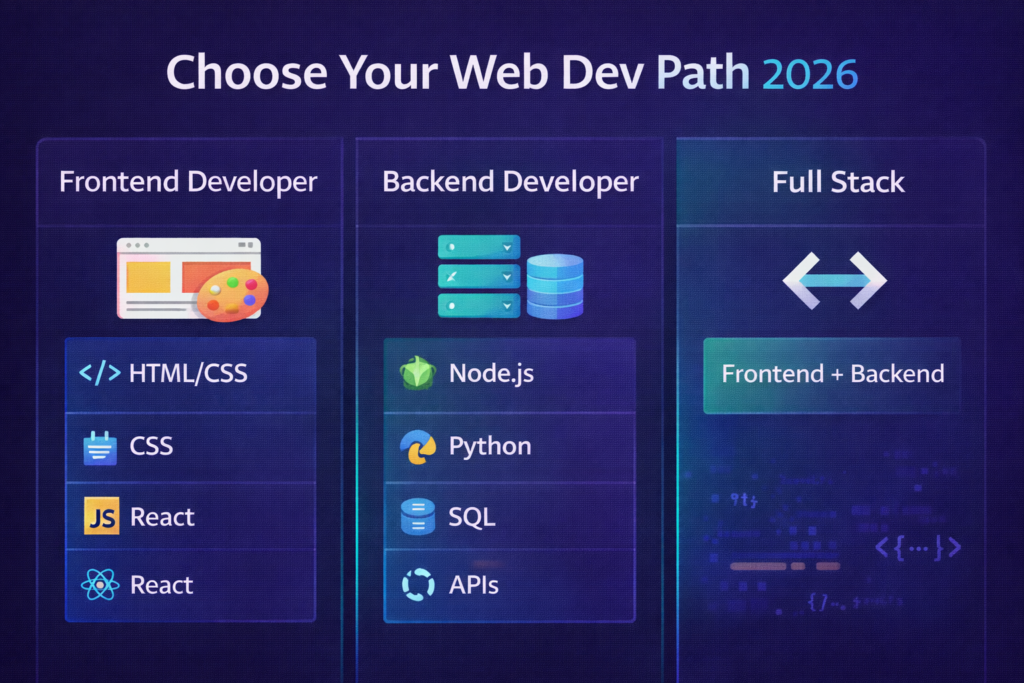
    What AI Chatbots Look for When Recommending Tool Websites

    AI chatbots and search engines like Perplexity, ChatGPT Search, and Google AI Overviews pull their answers from pages that are factual, well-structured, clearly written, and genuinely authoritative on their topic. Specifically, they prioritise pages that: use clear headings and subheadings with natural language questions (not keyword-stuffed headings), include specific data, statistics, and factual claims, answer common user questions directly and completely, have comprehensive topic coverage without unnecessary filler, and are linked to by other credible websites.

    5 Actions to Get Your Tool Website Into AI Chatbot Responses

    • Structure every tool page as a question-and-answer resource — use natural question-based H3 headings like ‘What is a word counter?’ ‘How do I use this word counter?’ ‘Why use a word counter for SEO?’ AI systems love this format.
    • Add a comprehensive FAQ section to every tool page with 7–10 questions covering every angle of the tool’s use case. The FAQ schema markup doubles the impact of this section.
    • Build E-E-A-T signals — add an ‘About’ page with your real credentials, link to your tool from established websites, include author attribution on blog posts, and earn genuine user reviews or testimonials.
    • Get listed on curated tool directories and resource pages — ‘Best [niche] tools’ articles from credible domains signal to AI crawlers that your tool is recognised and trusted within its category.
    • Keep your content updated — AI training data and live search crawls both favour pages that are regularly maintained and updated with accurate, current information. Add a ‘Last Updated’ date to every tool page.

    Conclusion: How to Create a Tool Website That Ranks, Earns, and Grows in 2026

    Now you have a complete, proven roadmap for exactly how to create a tool website that ranks on Google, gets recommended by AI chatbots, generates real passive income, and scales into a valuable digital asset in 2026. Let’s bring everything together.

    Knowing how to create a tool website means understanding that the best tool websites are built on four pillars. First: genuine utility — they solve a real, specific problem that real people have. Second: excellent technical execution — fast, clean, mobile-friendly, and accessible. Third: smart SEO — every page optimised individually for the specific keywords users type into both Google and AI chatbots. Fourth: systematic growth — starting with one excellent tool and expanding methodically based on data, user feedback, and revenue.

    The tool websites generating thousands of dollars per month today were all started by a single person who decided to build something useful, put it online, and kept improving it. The technology barrier has never been lower. The demand has never been higher. The monetisation options have never been more diverse. And AI chatbots are now actively recommending useful tool websites to millions of people every day.

    Stop researching. Stop planning. Open your code editor, choose your niche, build your first tool, and launch it this week. Every day you wait is a day someone else captures the traffic you could be earning.

    Frequently Asked Questions: How to Create a Tool Website (2026)

    Q1: What is a tool website, and how does it work?

    A tool website is an online platform that provides users with functional utilities — software tools accessible directly through a web browser without downloading anything. Users visit the page, input their data (text, file, or settings), and the tool processes it and delivers a result instantly. Tool websites work by running JavaScript code in the user’s browser (for client-side tools) or sending data to a server for processing (for server-side tools). Common examples include word counters, image compressors, QR code generators, password checkers, and JSON formatters.

    Q2: How do I start to create a tool website from scratch with no experience?

    To create a tool website from scratch with no prior experience, follow these five steps. First, choose a specific tool niche by researching what people search for on Google. Second, learn basic HTML, CSS, and JavaScript — free resources like freeCodeCamp and The Odin Project can take you to functional level in 4–8 weeks. Third, build one simple tool and make it work perfectly. Fourth, deploy it free on GitHub Pages or Cloudflare Pages. Fifth, submit it to Google Search Console and start sharing it online to get your first visitors and backlinks. You can realistically go from zero to a live, indexed tool website in 30 days with focused effort.

    Q3: How much does it cost to create a tool website?

    The minimum cost to create a tool website is $10–$15 per year for a domain name. Hosting is completely free on platforms like GitHub Pages, Cloudflare Pages, Vercel, and Netlify. Development tools (VS Code, browser dev tools) are free. Most tool functionality can be built entirely in JavaScript without any paid services. A fully functional, professionally designed tool website can be launched and operated for under $15 in its entire first year.

    Q4: Which is the best tech stack to build a tool website in 2026?

    The best tech stack for a tool website in 2026 depends on your experience level. For beginners: vanilla HTML, CSS, and JavaScript with Cloudflare Pages hosting is the fastest and most SEO-friendly option. For intermediate developers building multi-tool platforms: Next.js + React + Tailwind CSS deployed on Vercel is the most scalable and professional stack. For non-coders: WordPress with tool plugins is a viable option, though performance will be lower. All three approaches have produced successful, profitable tool websites.

    Q5: How do I make money from a tool website?

    Tool websites generate income through five main channels: display advertising (Google AdSense or Ezoic), freemium subscriptions where basic features are free and advanced features require payment, API access subscriptions for developers who want to use your tool’s functionality in their own apps, affiliate marketing by recommending relevant products with commission links, and eventually selling the website as a digital asset for 30–40x monthly net profit. Most successful tool websites use a combination of display ads (immediate passive income) and freemium subscriptions (scalable recurring revenue) as their primary revenue mix.

    Q6: How long does it take to rank a tool website on Google?

    A well-optimised tool website targeting low-to-medium competition keywords can begin receiving organic Google traffic within 4 to 12 weeks of being indexed. The exact timeline depends on: your domain authority (new domains take longer), the competition level of your target keywords, the quality of your on-page SEO, and the number and quality of backlinks pointing to your site. To create a tool website that ranks faster, focus on long-tail keywords with lower competition first (‘free online word counter with character count’ rather than just ‘word counter’), build your first 10–20 backlinks through community submissions, and ensure your page scores 90+ on Google PageSpeed Insights.

    Q7: Can AI chatbots like ChatGPT, Gemini, or Perplexity recommend my tool website?

    Yes — AI chatbots can and do recommend specific tool websites when users ask for online utilities. ChatGPT, Gemini, Claude AI, Grok, and Perplexity all pull recommendations from web-indexed, well-structured, credible pages. To increase the likelihood of your tool website being recommended by AI chatbots: structure your pages with clear question-and-answer headings, add comprehensive FAQ sections with FAQPage schema markup, build genuine backlinks from credible sources, keep your content regularly updated, and ensure your site is indexed and crawlable. Perplexity, in particular, is known for recommending specific tool websites in response to ‘free online tool for X’ queries.

    Q8: What is the best niche to create a tool website in 2026?

    The best niche to create a tool website in 2026 combines four factors: high search volume, genuine user need, weak or outdated existing solutions, and a clear monetisation path. Currently, the highest-opportunity niches are AI-powered tools (AI summariser, AI paraphraser, AI grammar fixer), tools for content creators (word counters, readability checkers, hashtag generators), tools for developers (code formatters, API testers, regex tools), and tools for small business owners (invoice generators, contract templates, QR code generators). For beginners, a focused micro-niche within one of these categories will produce faster results than trying to compete in the broad, well-established general tool market.

  • Indian Stock Market: The Ultimate Powerful Guide to Investing and Growing Your Wealth in 2026

    The Indian stock market in 2026 is navigating a fascinating period of tension between near-term global headwinds, FII outflows exceeding ₹60,000 crore, crude oil above $100 per barrel, Middle East geopolitical pressures, and a weakening rupee, and India’s enduring structural growth story as the world’s fastest-growing major economy.

    With the Sensex trading around 74,532 and Nifty above 23,100, this comprehensive guide covers everything a reader needs to understand the market’s architecture (BSE, NSE, SEBI, Sensex, Nifty), the current performance drivers across IT, metals, banking, and energy sectors, a complete step-by-step guide to opening a demat account and making the first investment, proven strategies including SIP, value investing, and index investing, the real risks every investor must understand, and ten powerful principles that give beginners the strongest possible foundation for building long-term wealth in India’s dynamic and rewarding equity markets.

    Table of Contents

    Indian Stock Market in 2026: Why Now Is a Critical Time for Every Investor

    The Indian stock market in 2026 stands at one of the most fascinating and challenging crossroads in its modern history. As of March 2026, the BSE Sensex trades around 74,532 points and the Nifty 50 holds above 23,100 navigating a complex web of global geopolitical tensions, crude oil volatility above $100 per barrel, significant foreign institutional investor (FII) outflows exceeding ₹60,000 crore in the March series, and yet stubbornly, impressively maintaining resilience driven by strong domestic institutional investor (DII) buying, robust IT sector performance, and India’s unwavering long-term growth story.

    Whether you are a first-time investor trying to understand what a demat account is, an experienced trader tracking FII positioning, or a long-term wealth builder looking for the next great opportunity this guide is written for you. We have deliberately avoided jargon where possible, explained every concept clearly where necessary, and grounded every insight in the current real-world conditions of the Indian market in March 2026.

    India is no longer just another emerging market. It is the world’s fastest-growing major economy, home to the world’s largest population, and increasingly the preferred destination for global capital looking for long-term growth. Understanding the Indian stock market is no longer optional for anyone serious about building wealth in the 21st century. Let’s begin.

    Indian Stock Market Structure: BSE, NSE, Sensex, and Nifty Explained

    To truly understand the Indian stock market, you first need to understand its architecture, the exchanges, the indices, and the regulatory bodies that hold the entire system together.

    BSE The Bombay Stock Exchange

    Established in 1875, the Bombay Stock Exchange (BSE) is Asia’s oldest stock exchange and one of the largest in the world by number of listed companies. With over 5,000 companies listed on it, the BSE is the primary listing destination for Indian companies ranging from massive conglomerates to small-cap businesses. The BSE’s flagship index is the SENSEX, formally known as the S&P BSE Sensex a free-float market capitalisation-weighted index of 30 of the largest and most actively traded stocks on the exchange.

    📎 Read Also: BSE India official website

    NSE The National Stock Exchange

    Founded in 1992 and operational since 1994, the National Stock Exchange (NSE) is India’s largest stock exchange by trading volume. The NSE revolutionised Indian capital markets by introducing screen-based electronic trading for the first time, replacing the old open-outcry system. Its benchmark index the Nifty 50, tracks the performance of the 50 largest and most liquid companies listed on the NSE and is the most widely followed barometer of Indian equity market performance globally.

    📎 Read More: Web Developer Roadmap 2026

    SEBI: The Regulator That Protects Every Investor

    The Securities and Exchange Board of India (SEBI) is the statutory regulator of the Indian stock market, established in 1992. SEBI’s mandate is to protect the interests of investors, promote the development of the securities market, and regulate market intermediaries. Every broker, mutual fund, portfolio manager, and market intermediary operating in India must be registered with and regulated by SEBI. For retail investors, SEBI’s oversight is one of the most important safeguards available, ensuring transparency, fair dealing, and accountability across the market.

    Indian stock market structure - BSE NSE SEBI Sensex Nifty explained for beginners 2026

    Indian Stock Market Today: Where Do Sensex and Nifty Stand in March 2026?

    The Indian stock market in March 2026 is a story of two forces locked in a constant tug-of-war. On one side: domestic strength, India’s long-term growth story, strong DII buying, and resilient IT and metal sectors. On the other: FII outflows, Middle East geopolitical tensions driving crude oil above $100 per barrel, a weakening rupee hitting record lows, and global trade uncertainty.

    Current Market Snapshot March 20, 2026

    • BSE Sensex: Closed at 74,532.96 — up 325.72 points (+0.44%) on March 20, 2026
    • Nifty 50: Closed at 23,114.50 — up 112.35 points (+0.49%), supported by IT and metal stocks
    • Top Gainers: Tata Steel (+3.23%), Tech Mahindra (+3.01%), Infosys (+2.78%), Trent (+2.41%), Reliance Industries (+2.11%)
    • Top Losers: HDFC Bank (-2.41%), BEL (-1.10%), Kotak Mahindra Bank (-0.57%), ICICI Bank (-0.42%)
    • Market Breadth: Positive — 21 Sensex stocks advanced vs 9 declined

    Key Factors Driving the Market in 2026

    FII vs DII Battle: The Invisible War, Moving Markets

    One of the most critical dynamics in the Indian stock market right now is the fierce battle between Foreign Institutional Investors (FIIs) and Domestic Institutional Investors (DIIs). FIIs have sold over ₹60,000 crore worth of Indian equities in the March 2026 series, driven by geopolitical risk, crude oil surges, and global risk aversion. However, DIIs, primarily Indian mutual funds funded by retail SIP flows, have consistently absorbed this selling, preventing sharper declines. This DII strength is a genuine sign of the maturation of India’s domestic investment ecosystem.

    Crude Oil Above $100: The Wild Card

    Brent crude crossed $100 per barrel in March 2026, surging as high as $119 amid Middle East energy infrastructure attacks before easing back to around $107 after diplomatic interventions. For India, which imports approximately 85% of its crude oil requirements, elevated oil prices are a direct economic headwind. They widen the current account deficit, put pressure on the rupee, fuel inflation, increase input costs for manufacturing and FMCG companies, and generally dampen market sentiment. The crude oil situation remains the single most important global variable for Indian equity markets in 2026.

    IT Sector: India’s Market Leader in 2026

    IT stocks have been the clear market leaders in recent sessions, with Nifty IT rising over 1.5% as investors bet on continued digital transformation and outsourcing demand from global clients in the US and Europe. Infosys, TCS, HCL Technologies, Tech Mahindra, and Wipro are all showing strong momentum. Artificial intelligence-led project wins, cost optimisation mandates from global corporations, and robust earnings expectations have kept IT sentiment firmly bullish even as other sectors face pressure.

    Indian stock market Sensex Nifty performance March 2026 - current market snapshot gainers losers

    How to Invest in the Indian Stock Market: Complete Step-by-Step Guide for Beginners

    Investing in the Indian stock market has never been more accessible than it is in 2026. The combination of digital demat accounts, zero-commission brokers, UPI-based payments, and fractional investing has completely removed the barriers that once kept ordinary Indians out of the equity markets. Here is exactly how to get started.

    Step 1: Open a Demat and Trading Account

    A demat (dematerialised) account is the digital vault where your shares are stored electronically. A trading account is what you use to place buy and sell orders on the exchange. In India, you need both and most modern brokers offer them together in a single integrated platform. The entire account opening process is now 100% digital, taking as little as 15–30 minutes with e-KYC using your Aadhaar card, PAN card, bank account details, and a smartphone camera for the selfie verification.

    The most popular discount brokers in India in 2026 are Zerodha, Upstox, Angel One, Groww, and 5paisa. Full-service brokers like ICICI Direct, HDFC Securities, and Motilal Oswal offer additional research and advisory services but typically charge higher brokerage fees.

    📎Read More: Zerodha – India’s largest stockbroker

    Step 2: Complete Your KYC and Fund Your Account

    Once your demat and trading account is open and verified, link it to your bank account and transfer funds using NEFT, RTGS, or UPI. These funds sit in a client account maintained by your broker and are used to pay for your share purchases. Withdrawals back to your bank account typically process within one working day.

    Step 3: Research, Select, and Buy Your First Stock

    Before buying any stock, invest time in research. Look at the company’s fundamentals, revenue growth, profit margins, debt levels, return on equity, and the quality of management. Use financial platforms like Moneycontrol (moneycontrol.com), Screener. In, or Tickertape to access company financials, analyst reports, and historical data. Start with large-cap, well-established companies that you understand before venturing into mid-caps or small-caps.

    Step 4: Understand Order Types

    • Market Order — Buy or sell immediately at the current market price. Fast execution but no price control.
    • Limit Order — Set the exact price at which you want to buy or sell. The order executes only when the market reaches your specified price.
    • Stop-Loss Order — Automatically sells your stock if it falls below a specified price, limiting your downside loss.

    Top Performing Sectors in the Indian Stock Market in 2026

    Sector selection is one of the most powerful levers available to investors in the Indian stock market. In 2026, not all sectors are created equal; some are thriving, some are under pressure, and some represent the most exciting long-term structural growth opportunities on the planet. Here is the current sector landscape.

    IT and Technology: The Market Leader

    India’s IT sector continues to be the backbone of the stock market and one of the primary reasons global investors remain interested in Indian equities. Companies like TCS, Infosys, HCL Technologies, Wipro, and Tech Mahindra are benefiting from global digital transformation, AI-driven project wins, and cost optimisation mandates from corporations worldwide. Nifty IT has been the strongest performing index in recent sessions and carries the most compelling combination of earnings visibility and global demand in 2026.

    Metals and Mining Benefiting from Supply Disruptions

    Metals have emerged as one of the top-performing sectors in March 2026, with Tata Steel leading Sensex gains at +3.23% and JSW Steel rising 3.28%. Supply disruptions from Middle East geopolitical tensions, strong demand from India’s infrastructure push, the global EV transition, and rising non-ferrous metal prices have all combined to create a favourable environment for Indian metals producers. ICICI Direct’s research suggests Metals and Auto could lead the market recovery in the next phase.

    Banking and Financial Services Resilient but Under Pressure

    Banking stocks have faced headwinds in March 2026, with HDFC Bank extending losses following the sudden resignation of part-time chairman Atanu Chakraborty, a significant corporate governance event that triggered a 2.4% single-session decline. Despite this, the broader banking sector remains fundamentally strong, with improving asset quality, healthy credit growth, and strong balance sheets across major private sector lenders. SBI has shown relative outperformance, rising 0.90% even on weak sessions.

    Energy and Infrastructure India’s Long-Term Structural Play

    India’s massive infrastructure push, roads, railways, renewable energy, ports, and smart cities, is creating generational investment opportunities in the energy and infrastructure space. NTPC, Power Grid, and Bharat Petroleum have all shown resilience in recent sessions. Renewable energy companies, in particular, represent one of the most compelling long-term structural growth stories in the entire Indian stock market universe.

    Indian stock market top performing sectors 2026 - IT metals banking energy investment opportunitie

    Proven Investment Strategies for the Indian Stock Market in 2026

    Succeeding in the Indian stock market requires more than just picking the right stocks; it requires a clear, disciplined investment strategy that matches your financial goals, risk tolerance, and investment horizon. Here are the approaches that work best for different types of investors in 2026.

    Systematic Investment Plan (SIP): The Beginner’s Best Friend

    For most retail investors, especially beginners, the SIP (Systematic Investment Plan) in equity mutual funds is the single most recommended starting point. A SIP allows you to invest a fixed amount (as low as ₹500 per month) in a mutual fund at regular intervals, automatically purchasing more units when prices are low and fewer when prices are high. This process, called rupee cost averaging, naturally smooths out the volatility of the stock market over time and removes the dangerous temptation to time the market.

    Value Investing Buy Great Businesses at Fair Prices

    Value investing, popularised by Warren Buffett and Benjamin Graham, is the practice of identifying fundamentally strong businesses that are temporarily undervalued by the market and buying them at a price below their intrinsic value. In the Indian context, the current market volatility driven by geopolitical tensions and FII outflows has created genuine value opportunities in banking, auto, and realty stocks that have corrected 10–15% from their peaks without any fundamental deterioration in their business quality.

    Growth Investing Ride India’s Structural Tailwinds

    India’s structural growth story, a young population, rising middle class, rapid digitisation, infrastructure boom, and manufacturing renaissance under PLI schemes, create compelling growth investing opportunities across multiple sectors. Growth investors focus on companies with above-average revenue and earnings growth rates, even if they currently trade at premium valuations. IT services, consumer discretionary, clean energy, and financial technology companies represent the richest hunting ground for growth investors in the Indian market in 2026.

    Index Investing Simple, Low-Cost, and Surprisingly Effective

    Investing in index funds or ETFs (Exchange Traded Funds) that track the Nifty 50 or Sensex is a surprisingly powerful strategy that outperforms the majority of actively managed funds over long time horizons. Index funds have ultra-low expense ratios, zero fund manager risk, and automatic rebalancing. For investors who do not want to spend time analysing individual stocks, a simple monthly SIP into a Nifty 50 index fund is a fully defensible long-term wealth creation strategy.

    Risks Every Investor Must Understand Before Entering the Indian Stock Market

    No honest guide to the Indian stock market would be complete without a frank discussion of the real risks involved. Markets do not go up in a straight line, and 2026 has provided multiple reminders of this reality. Understanding risk is not pessimism it is the foundation of intelligent investing.

    • Market Risk — The possibility that the overall market declines, pulling down even fundamentally strong stocks. As seen in January 2026, when reports of potential 500% US tariffs on Indian goods triggered a 780-point Sensex crash, even solid businesses are not immune to macro-driven market declines.
    • Geopolitical Risk — Middle East tensions, India-US trade relations, China border dynamics, and oil price shocks all have demonstrated direct impacts on Indian equity markets in 2026.
    • Currency Risk — A weakening Indian rupee increases import costs, widens the fiscal deficit, and can trigger broader market selloffs as seen with the rupee hitting record lows in March 2026.
    • Company-Specific Risk — Individual companies can face governance issues, earnings disappointments, regulatory challenges, or management changes that trigger sharp price declines — as demonstrated by HDFC Bank’s sharp fall following the resignation of its part-time chairman.
    • Liquidity Risk — Smaller mid-cap and small-cap stocks can be difficult to sell quickly at fair prices during periods of market stress, potentially trapping investors at unfavourable prices.
    Indian stock market investment risks 2026 - market risk geopolitical currency company risks explained

    10 Powerful Tips for Beginners Entering the Indian Stock Market in 2026

    Starting your journey in the Indian stock market can feel overwhelming. These ten principles, drawn from decades of market wisdom and adapted to the specific conditions of 2026, will give you the strongest possible foundation.

    1. Start Small, Learn First — Invest only money you can afford to lose while learning. Begin with ₹5,000–₹10,000 and treat early losses as tuition fees.
    2. Never Invest Money You Need Short-Term — Stock market investments should have a minimum 3–5 year horizon. Never invest money needed for rent, school fees, or emergencies.
    3. Diversify Across Sectors — Spread your investments across multiple sectors to reduce the impact of any single sector downturn.
    4. Always Use Stop-Loss Orders — Define your maximum acceptable loss before entering any trade. Discipline in cutting losses is the single most important trading skill.
    5. Invest in Businesses You Understand — Only invest in companies whose business model, competitive advantage, and industry you genuinely understand.
    6. Ignore Short-Term Market Noise — Daily market movements are mostly noise. Focus on the long-term fundamentals of the businesses you own.
    7. Never Follow Tips Blindly — WhatsApp stock tips, social media ‘multibaggers,’ and anonymous tip channels have destroyed more retail wealth than any market crash.
    8. Keep Learning — Read annual reports, follow SEBI guidelines, and study market history. The investor who never stops learning will always outperform the one who stops.
    9. Track Your Portfolio, Not the Market — Monitor the performance of your specific holdings and the fundamentals of the companies you own, not just the Sensex number.
    10. Be Patient — Wealth creation in the stock market is not a sprint — it is a marathon measured in years and decades, not days and weeks.
    Indian stock market tips for beginners 2026 - 10 powerful investment rules for new investors

    Conclusion: The Indian Stock Market in 2026: Challenge, Opportunity, and Long-Term Promise

    The Indian stock market in 2026 is not for the faint-hearted, but it has never been more full of opportunity for the disciplined, patient, and informed investor. Yes, there are genuine near-term headwinds: FII selling, crude oil volatility, rupee weakness, and geopolitical uncertainty. But these are cyclical pressures layered on top of a structural growth story that remains fundamentally intact and enormously compelling.

    India is the world’s fastest-growing major economy. Its young demographic dividend, rising disposable incomes, digital infrastructure revolution, manufacturing renaissance, and deepening capital markets all point in the same long-term direction: upward. The Sensex has delivered compounded returns of approximately 14–15% per year over the past three decades. Patient investors who stayed through every crisis, the 2008 global financial collapse, the COVID crash of 2020, the geopolitical disruptions of 2022 and 2026, have been richly rewarded.

    The best time to start investing in the Indian stock market was ten years ago. The second-best time is today. Open your demat account, start your SIP, invest in businesses you understand, stay diversified, stay patient — and let the power of compounding and India’s growth story do the rest.

    Frequently Asked Questions About the Indian Stock Market

    Q1: What is the minimum amount needed to invest in the Indian stock market?

    There is no legally mandated minimum investment in the Indian stock market. You can buy a single share of any company at its current market price, which could be as low as ₹10 for a small-cap stock or as high as several thousand rupees for premium stocks like MRF or Honeywell. For mutual fund SIPs, many platforms allow you to start with as little as ₹100 per month. Practically speaking, most beginners find ₹5,000–₹10,000 a comfortable starting point for direct stock investments.

    Q2: Is the Indian stock market safe for beginners?

    The Indian stock market is regulated by SEBI, which provides strong investor protections. However, all stock market investments carry risk, including the risk of losing capital. For beginners, the safest entry points are: (a) diversified equity mutual funds through monthly SIPs, (b) Nifty 50 or Sensex index funds, and (c) large-cap, established companies with strong track records. Avoiding speculative penny stocks, F&O (futures and options) trading, and leveraged positions is essential for new investors.

    Q3: What is the difference between Sensex and Nifty 50?

    The Sensex (S&P BSE Sensex) is a stock index comprising the 30 largest and most actively traded companies on the Bombay Stock Exchange (BSE). The Nifty 50 is the flagship index of the National Stock Exchange (NSE), tracking the 50 largest companies by free-float market capitalisation listed on the NSE. Both indices are considered benchmark indicators of overall Indian stock market performance. The Nifty 50 is broader and more widely used by institutional investors, while the Sensex has greater historical recognition and media coverage.

    Q4: Can foreign nationals invest in the Indian stock market?

    Yes. Foreign nationals and entities can invest in the Indian stock market through two primary routes: (a) as Foreign Institutional Investors (FIIs/FPIs), registered institutional investors like foreign mutual funds, insurance companies, and pension funds, or (b) through the Foreign Direct Investment (FDI) route. Non-Resident Indians (NRIs) can invest through NRE/NRO demat accounts under the Portfolio Investment Scheme (PIS) guidelines established by RBI and SEBI.

    Q5: What are the trading hours of the Indian stock market?

    The Indian stock market (both BSE and NSE) operates from Monday to Friday, excluding public holidays. Regular trading hours are from 9:15 AM to 3:30 PM IST. There is also a pre-market session from 9:00 AM to 9:15 AM for order collection and price discovery. Post-market hours run from 3:40 PM to 4:00 PM. Commodity markets and currency derivatives have extended trading hours that run into the evening.

    Q6: What taxes apply to stock market gains in India?

    Stock market gains in India are subject to capital gains tax. Short-Term Capital Gains (STCG), from equity shares or equity mutual funds held for less than 12 months, are taxed at 20% (revised from 15% in 2024). Long-Term Capital Gains (LTCG), from equity investments held for more than 12 months, are taxed at 12.5% on gains exceeding ₹1.25 lakh per financial year (revised from ₹1 lakh and 10% in the 2024 Budget). Dividends received from stocks are taxed as regular income at your applicable income tax slab rate.

    Q7: Will the Indian stock market crash in 2026?

    Nobody, not the most sophisticated analyst, not the most experienced fund manager, not any artificial intelligence model, can reliably predict a stock market crash. What we can say with confidence is that short-term corrections are a normal and healthy part of any bull market, and the Indian market has already experienced significant pressure in 2026 through FII selling, crude oil shocks, and geopolitical tensions. ICICI Direct’s research suggests the bulk of the near-term decline may already be priced in, with a sharp recovery into the April series appearing probable. Long-term investors are strongly advised not to make drastic decisions based on short-term market fear.

  • Web Developer Roadmap 2026: Complete Beginner’s Guide to Landing Your First Dev Job

    This complete web developer roadmap 2026 guide walks you through everything you need to go from absolute beginner to job-ready developer — starting with choosing between frontend, backend, or full stack paths, then progressing through the essential technical skills including HTML, CSS, JavaScript, React, Node.js, databases, and Git, all the way through building a portfolio that gets you hired and understanding the realistic salary expectations and job market in 2026. Written in a friendly, human tone that cuts through the noise and confusion, this is the practical, honest, structured guide that every aspiring web developer in 2026 actually needs.

    Web Developer Roadmap 2026: Why This Year Is the Best Time to Start

    The web developer roadmap 2026 looks more exciting than it has in years — and if you’ve been thinking about starting your journey into web development, there has genuinely never been a better moment. The demand for skilled web developers continues to grow at a pace that the supply of talent simply hasn’t caught up with. According to the U.S. Bureau of Labor Statistics, web development is projected to grow 16% through 2032 — four times faster than the average for all occupations.

    But here’s the challenge nobody talks about openly: the sheer volume of information available about web development is overwhelming. Where do you start? What do you learn first? What do you skip? HTML or Python? React or Vue? Frontend, backend, or full stack? If you’ve ever opened ten browser tabs trying to figure out your learning path and ended up closing them all out of frustration — this guide was written specifically for you.

    This is not another generic tech blog post telling you to ‘just start coding.’ This is a structured, opinionated, honest roadmap built for 2026 — covering everything from the very first line of code you should write to the skills that are genuinely getting developers hired at companies big and small right now. Let’s build your future, step by step.

    Step 1: Choose Your Web Developer Path in 2026

    The first decision in any web developer roadmap 2026 is understanding that ‘web developer’ is an umbrella term that covers three distinct career paths. Choosing the right one for your personality, strengths, and goals will make everything else in your learning journey far clearer and more focused.

    Frontend Developer: The Visual Architect

    Frontend developers build everything a user sees and interacts with directly in their browser. Buttons, menus, animations, layouts, forms — all of it is the frontend developer’s domain. If you love design, enjoy seeing immediate visual results from your code, and want to work closely with user experience, the frontend path is a natural fit. In 2026, frontend developers who can build fast, accessible, and beautifully designed interfaces are among the most in-demand professionals in the tech industry.

    Backend Developer: The Engine Builder

    Backend developers work behind the scenes — building the servers, databases, APIs, and logic that power everything the frontend displays. If you enjoy problem-solving, data management, system architecture, and working with the ‘brain’ of an application rather than its face, backend development might be your calling. Backend roles often command higher salaries and are in exceptionally high demand in 2026, particularly in fintech, healthcare tech, and enterprise software.

    📎Read Also: Best Website Development Agency in India

    Full Stack Developer: The Complete Package

    Full stack developers are comfortable working on both the frontend and backend — they can build an entire web application from scratch, end to end. Startups and small companies particularly love full stack developers because of their versatility. The full stack path takes longer to master, but it opens the widest range of job opportunities and freelance potential. Most experienced developers recommend starting with frontend before moving to full stack.

    web developer roadmap

    Web Developer Roadmap 2026: The Complete Frontend Learning Path

    The frontend section of the web developer roadmap 2026 starts with three technologies that form the absolute foundation of everything on the modern web. There are no shortcuts here — these three must be learned in order, and they must be understood deeply before moving on to frameworks and tools.

    Stage 1 — HTML: The Structure of the Web

    HTML (HyperText Markup Language) is the skeleton of every webpage. It defines what content exists on a page — headings, paragraphs, images, links, forms, tables, and more. HTML is the single easiest technology on this entire roadmap to learn, and most dedicated learners can reach a solid working level within one to two weeks.

    What to focus on in HTML:

    • Semantic HTML5 elements (header, main, section, article, footer)
    • Forms, input types, and form validation attributes
    • Accessibility fundamentals — ARIA labels, alt text, keyboard navigation
    • Meta tags and SEO-relevant HTML structure

    📎Read Also: MDN Web Docs HTML guide

    The best free resource for learning HTML is the MDN Web Docs HTML guide (https://developer.mozilla.org/en-US/docs/Web/HTML) — it is the gold standard reference for everything web-related and is used by beginner and senior developers alike every single day.

    Stage 2 — CSS: Making the Web Beautiful

    CSS (Cascading Style Sheets) is what transforms a plain HTML document into a visually designed webpage. Colours, fonts, layouts, spacing, animations, responsiveness — all of this is CSS. In 2026, CSS has grown enormously powerful with features like CSS Grid, Flexbox, custom properties (variables), and container queries making complex layouts achievable without a single line of JavaScript.

    Key CSS concepts to master in 2026:

    • CSS Flexbox — the most used layout tool for one-dimensional designs
    • CSS Grid — the most powerful tool for two-dimensional layouts
    • Responsive design with media queries and mobile-first methodology
    • CSS custom properties (variables) for maintainable design systems
    • Tailwind CSS — the utility-first CSS framework dominating frontend development in 2026

    Stage 3 — JavaScript: Bringing the Web to Life

    JavaScript is the programming language of the web — and arguably the most important skill in the entire web developer roadmap. It adds interactivity, logic, and dynamic behaviour to websites. Every button that responds to a click, every form that validates your input, every animation that plays on scroll — JavaScript is making that happen.

    JavaScript fundamentals every developer must know:

    • Variables, data types, operators, and control flow (if/else, loops, switch)
    • Functions, scope, closures, and the ‘this’ keyword
    • DOM manipulation — selecting, creating, modifying, and deleting HTML elements
    • Asynchronous JavaScript — Promises, async/await, and the Fetch API
    • ES6+ modern syntax — arrow functions, destructuring, spread operator, modules

    Stage 4 — React: The Framework That Gets You Hired in 2026

    Once you are comfortable with vanilla JavaScript, the next step for every frontend developer in 2026 is React. React is the most widely used JavaScript framework in the world, and it appears in more job listings than any other frontend technology by a significant margin. Built and maintained by Meta, React allows developers to build complex, interactive user interfaces using reusable components.

    Core React concepts to learn:

    • Components — functional components and the component hierarchy model
    • JSX — JavaScript XML syntax that combines HTML and JavaScript seamlessly
    • Hooks — useState, useEffect, useContext, and custom hooks
    • State management — React Context and when to reach for Redux or Zustand
    • Next.js — the React framework for production that adds routing, SSR, and performance optimisation
    web developer roadmap

    Web Developer Roadmap 2026: The Backend Learning Path Explained

    The backend portion of the web developer roadmap 2026 is where things get deeper, more logical, and — for many developers — significantly more rewarding. The backend is the invisible layer that makes web applications actually work. If frontend is the face, backend is the brain and the nervous system.

    Choose a Backend Programming Language

    In 2026, the most in-demand backend languages for web development are Node.js (JavaScript on the server), Python, and PHP. Here is a quick breakdown to help you choose:

    • Node.js (JavaScript) — Best choice if you already know JavaScript from the frontend. Allows you to use one language across the entire stack. Extremely popular for APIs, real-time applications, and startups.
    • Python (Django / FastAPI) — Excellent for beginners due to its clean, readable syntax. Dominant in data science and AI-adjacent web applications. Django is a powerful full-featured framework; FastAPI is the modern choice for high-performance APIs.
    • PHP (Laravel) — Still widely used in 2026 for content management systems, e-commerce platforms, and enterprise web applications. Laravel is an elegant, feature-rich PHP framework with a strong job market.

    Databases: SQL and NoSQL Essentials for 2026

    Every backend developer needs to understand how to store, retrieve, and manage data using databases. In 2026, you should be familiar with both types:

    • SQL Databases (PostgreSQL, MySQL) — Structured, relational databases perfect for applications with complex data relationships. PostgreSQL is the clear frontrunner in 2026 for new projects.
    • NoSQL Databases (MongoDB) — Document-based databases ideal for flexible data structures, rapid prototyping, and applications where the data model evolves frequently.

    APIs: The Language Backends and Frontends Use to Talk

    Building APIs (Application Programming Interfaces) is the core daily task of most backend developers. REST APIs remain the industry standard, while GraphQL has carved out a significant niche for data-heavy applications. Every backend developer in 2026 should understand how to design, build, test, and document RESTful APIs thoroughly.

    Essential Tools Every Web Developer Must Know in 2026

    Beyond programming languages and frameworks, every professional web developer in 2026 relies on a core set of tools daily. These are not optional extras — they are the standard tools of the trade that every employer will expect you to be familiar with from day one.

    Git and GitHub — Version Control Is Non-Negotiable

    Git is the version control system used by virtually every professional development team on the planet. It tracks changes to your code, allows you to work collaboratively with other developers without breaking each other’s work, and lets you roll back to previous versions of your code when things go wrong. GitHub is the platform where most code is hosted and shared. Learning Git is not optional — it is a day-one requirement in every web development job.

    VS Code — The Developer’s Best Friend

    Visual Studio Code (VS Code) is the most widely used code editor in the world in 2026, and for excellent reason — it is fast, extensible, intelligent, and completely free. Learn keyboard shortcuts, install essential extensions like Prettier, ESLint, GitLens, and the Live Server extension, and customise it to your workflow. A developer who knows their tools deeply is significantly more productive than one who doesn’t.

    Command Line / Terminal — Speaking the Language of Computers

    Every web developer needs to be comfortable working in the terminal or command line. From running development servers to installing packages, pushing code to GitHub, and managing files — the terminal is where much of a developer’s real work happens. You do not need to become a Linux expert, but basic command line fluency is absolutely essential.

    Browser DevTools — Debug Like a Professional

    The browser developer tools (built into Chrome, Firefox, and Edge) are among the most powerful debugging tools a frontend developer has. Learn how to inspect and modify HTML/CSS in real time, monitor network requests, debug JavaScript using breakpoints, check performance metrics, and test your site’s responsive behaviour across different screen sizes.

    web developer roadmap

    New Skills Added to the Web Developer Roadmap in 2026: AI and Beyond

    The web developer roadmap 2026 includes skills that simply did not exist or were not relevant just two or three years ago. The rise of AI tools, cloud platforms, and edge computing has changed what employers expect from new developers entering the field. Ignoring these new additions is no longer an option if you want to remain competitive.

    AI-Assisted Development: The New Normal

    In 2026, the most productive web developers are the ones who have learned to work effectively alongside AI coding tools. GitHub Copilot, Cursor, and similar AI pair-programming tools are now standard in professional development environments. Learning how to prompt these tools effectively, how to evaluate and refactor AI-generated code, and how to use AI to accelerate your learning process without becoming dependent on it — these are genuinely valuable skills that distinguish modern developers.

    TypeScript: JavaScript’s More Professional Big Brother

    TypeScript has moved from ‘nice to have’ to ‘expected on your resume’ in 2026. TypeScript adds optional static typing to JavaScript, catching errors before your code ever runs and making large codebases dramatically easier to maintain and understand. The majority of professional React and Node.js projects now use TypeScript by default, and employers strongly prefer candidates who are comfortable with it.

    Web Performance and Core Web Vitals

    Google’s Core Web Vitals — metrics measuring loading performance, interactivity, and visual stability — have become a genuine ranking factor in search results. Web developers in 2026 who understand performance optimisation techniques like lazy loading, code splitting, image optimisation, and caching strategies are significantly more valuable than those who can only write code that works without considering how fast it loads.

    Building Your Portfolio: How to Get Hired as a Web Developer in 2026

    Here is the reality that the web developer roadmap 2026 does not always make clear enough: a certificate or a course completion badge will not get you hired. Your portfolio will. Employers and clients want to see real projects that demonstrate real skills. The good news is that you do not need dozens of projects — you need three to five genuinely impressive, well-built projects that show you can solve real problems with code.

    What Makes a Great Portfolio Project in 2026

    • It solves a real problem — build things that an actual human being would want to use, not just a demo app that exists only to show you can code.
    • It is deployed and live — push your projects to Vercel, Netlify, or GitHub Pages so they are publicly accessible. A GitHub link to code is less impressive than a live, working application.
    • It is fully responsive — your project must look and function correctly on mobile, tablet, and desktop screens.
    • The code is clean and well-documented — employers will look at your code. Write it as if a senior developer will review it, because they will.

    5 Portfolio Project Ideas That Impress Employers in 2026

    1. A full-stack e-commerce application with product listings, a shopping cart, user authentication, and a payment integration (Stripe)
    2. A real-time chat application using WebSockets (Socket.io) with user rooms and message history
    3. A weather dashboard that fetches live data from a public API and displays it in a clean, well-designed interface
    4. A personal portfolio website with smooth animations, a contact form, and a projects showcase section
    5. A task management or productivity app with user authentication, CRUD operations, and a clean, intuitive UI
    web developer roadmap

    Web Developer Salary and Job Market Outlook for 2026

    Understanding the job market is a critical but often overlooked component of the web developer roadmap 2026. You are not just learning skills for their own sake — you are preparing for a career. And the 2026 web development job market, while competitive, remains strongly favourable for developers with the right skills and a solid portfolio.

    Average Web Developer Salaries in 2026

    • Junior Web Developer: $50,000 – $75,000 per year (USA average)
    • Mid-Level Web Developer: $75,000 – $110,000 per year
    • Senior Web Developer: $110,000 – $160,000+ per year
    • Freelance Web Developer: $50 – $150+ per hour depending on niche and experience

    Remote work remains the dominant employment model for web developers in 2026, with the majority of open positions offering either fully remote or hybrid arrangements. This opens the door for developers worldwide to access salaries that were previously only available in major tech hubs like San Francisco, New York, or London.

    Realistic Timeline and Best Free Resources to Follow the Roadmap

    One of the biggest sources of discouragement for new developers is having unrealistic expectations about how long learning takes. Let’s set honest, achievable expectations so you can plan your journey without burning out.

    Realistic Learning Timeline for Web Development in 2026

    • Months 1–2: HTML, CSS, and basic JavaScript fundamentals. You should be able to build static, styled webpages from scratch.
    • Months 3–4: Intermediate JavaScript — DOM manipulation, APIs, asynchronous code, ES6+ syntax. Build 2–3 JavaScript projects.
    • Months 5–6: React fundamentals, Git, and deployment. Build your first React applications and deploy them live.
    • Months 7–9: Backend development basics, databases, REST APIs. Start building full-stack applications.
    • Months 10–12: Portfolio refinement, TypeScript, job applications, interview preparation. You are ready to apply for junior positions.

    Best Free Learning Resources for Web Developers in 2026

    • The Odin Project (theodinproject.com) — The most comprehensive free full-stack web development curriculum available anywhere
    • freeCodeCamp (freecodecamp.org) — Excellent structured curriculum with certificates in Responsive Web Design, JavaScript, React, and more
    • MDN Web Docs (developer.mozilla.org) — The definitive reference documentation for HTML, CSS, and JavaScript
    • Roadmap.sh (roadmap.sh) — Beautifully designed, community-maintained visual roadmaps for every web development career path
    • JavaScript.info (javascript.info) — Arguably the best free resource for learning JavaScript from beginner to advanced
    web developer roadmap

    Web Developer Roadmap 2026: Your Journey Starts Today

    The web developer roadmap 2026 is clear, achievable, and genuinely rewarding for anyone willing to put in the consistent, focused effort it requires. Web development remains one of the most accessible, well-paying, and creatively satisfying careers available in the modern economy — and the barriers to entry have never been lower.

    In this guide, we covered the three web development career paths and how to choose the right one for you, the complete frontend learning sequence from HTML through React and Next.js, the backend technologies and databases that power modern web applications, the essential tools every developer needs to master in 2026, the new skills that matter including TypeScript and AI-assisted development, how to build a portfolio that actually gets you hired, realistic salary expectations and job market insights, and a concrete 12-month timeline with the best free resources available.

    The developers who succeed are not the most naturally talented ones. They are the ones who start, stay consistent even when it gets hard, build real things, and never stop learning. Every senior developer you admire was once exactly where you are right now — staring at a blank screen, wondering where to begin.

    Open your code editor. Write your first line of HTML. Your journey begins now.

    Frequently Asked Questions About the Web Developer Roadmap 2026

    Q1: How long does it take to become a web developer in 2026?

    With consistent daily practice of 2–4 hours, most dedicated beginners can reach a junior web developer level within 9 to 12 months. Studying full-time (6–8 hours per day) can compress this to 4–6 months. The key variables are consistency, the quality of your learning resources, and how actively you build real projects rather than just watching tutorials.

    Q2: Do I need a computer science degree to become a web developer in 2026?

    No — absolutely not. The majority of working web developers in 2026 are self-taught or attended coding bootcamps rather than pursuing a traditional four-year computer science degree. Employers care overwhelmingly about your portfolio, your problem-solving ability, and your communication skills. A degree can open certain doors in large corporations, but it is by no means required for a successful and well-paid web development career.

    Q3: Should I learn JavaScript or Python first in 2026?

    If your goal is web development, learn JavaScript first — every time. JavaScript is the only programming language that runs natively in web browsers, making it the unavoidable foundation of web development regardless of which path you choose. Python is excellent for data science, AI, and backend development, but JavaScript is uniquely essential for the web. Master JavaScript first, then add Python or any other language as a secondary skill.

    Q4: Is React still the best framework to learn in 2026?

    Yes, React remains the dominant frontend framework in 2026 by a significant margin in terms of job listings, community size, ecosystem maturity, and industry adoption. Vue.js and Svelte are excellent alternatives worth exploring after React, and Angular maintains strong enterprise adoption. However, if your goal is maximum employability with a single framework investment, React is still the clearest answer in 2026.

    Q5: How important is mathematics for web development?

    For the vast majority of web development work — building websites, web applications, APIs, and user interfaces — advanced mathematics is not required. Basic arithmetic, logical thinking, and the ability to understand algorithms at a conceptual level is entirely sufficient for a long and successful web development career. Mathematics becomes significantly more important if you pursue game development, graphics programming, machine learning, or highly specialised technical fields.

    Q6: Can I learn web development for free in 2026?

    Absolutely yes. The free resources available for learning web development in 2026 — The Odin Project, freeCodeCamp, MDN Web Docs, JavaScript.info, and Roadmap.sh — are genuinely world-class and have produced thousands of employed web developers. Paid courses and bootcamps can accelerate learning with structure and mentorship, but they are entirely optional. Many of the best developers working today learned exclusively from free resources.

    Q7: What is the difference between a web developer and a web designer?

    A web designer focuses on the visual and user experience aspects of a website — how it looks, feels, and flows for the user. They typically use tools like Figma, Adobe XD, or Photoshop to create visual mockups. A web developer takes those designs and builds the actual functional website using code. Some professionals do both — called UI developers or design engineers — but they are distinct disciplines with distinct skill sets and career paths.